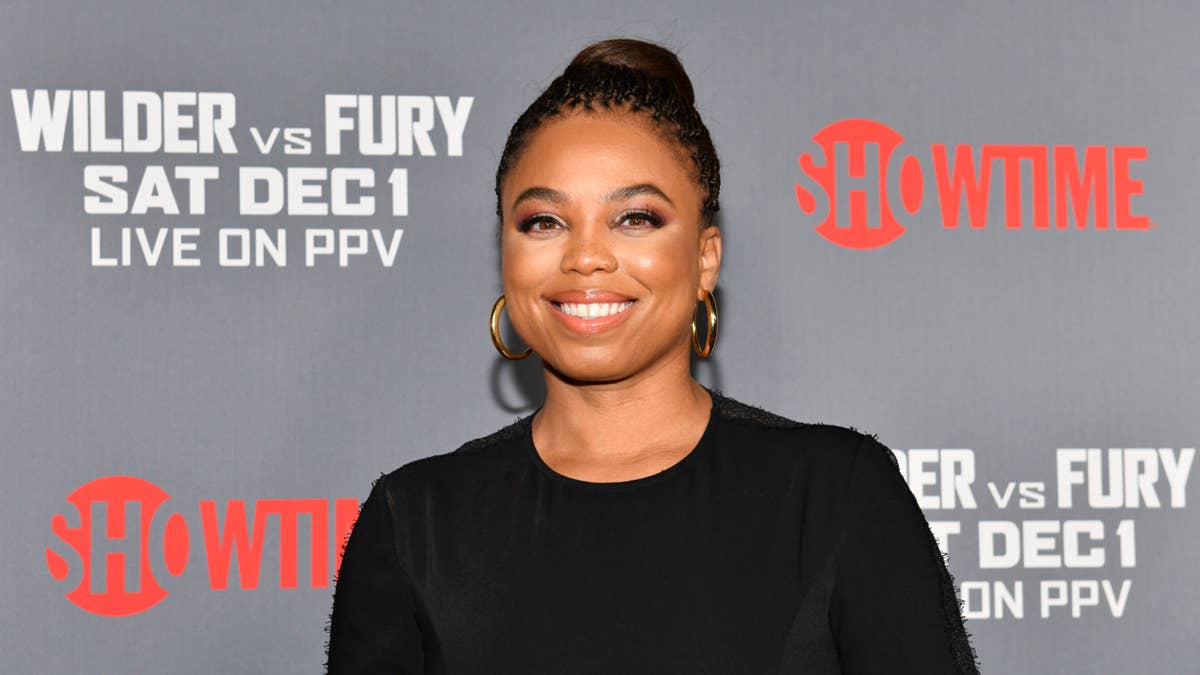
The WNBA is riding a wave of surging popularity, but with that growth comes a growing tension between fans and the media covering the league. Jemele Hill, the outspoken former ESPN host, recently sounded off on what she sees as a persistent misunderstanding among too many WNBA supporters.
During an appearance on her podcast Flagrant & Funny, Hill didn't hold back. She argued that a significant portion of the league's fanbase expects journalists to function as extensions of the teams rather than impartial observers. This confusion, she says, leads to anger when reporters ask tough questions or offer critical analysis.

“The issue is that, I think for a long time, not every journalist but a lot of the journalists that covered women’s sports and covered the league, the fans saw the journalists as a ‘we’ and not a ‘they,’” Hill explained. “Now they’re confused, because … there’s more people covering the league now, it’s under more scrutiny, and [the fans] have had the expectation that the journalists are supposed to be extensions of teams. And the journalists are not supposed to be that.”
Hill emphasized that fans often view media coverage as inherently supportive, but that’s a misreading of the role. “They expect our jobs to be to support the women,” she said. “While the support is, to me, in the fact that we have built an entire podcast around discussing women’s sports and all the culture and the issues and all the things that come with it, they expect the journalists to be cheerleaders.”
This tension isn't new, but it's becoming more pronounced as the WNBA attracts broader attention—and with it, more scrutiny. Hill’s critique echoes a broader conversation about how the league's leadership handles criticism. She argues that fans need to recognize that journalism's purpose is to inform and analyze, not to promote.
Hill also pointed to a larger cultural issue: many Americans struggle to distinguish between objective reporting and advocacy. That confusion, she says, is especially acute in women’s sports, where fans have long viewed media as allies in a fight for visibility. But as the league grows, that dynamic is shifting.
For Hill, the solution is simple: WNBA fans need to adjust their expectations. Journalists aren't there to be part of the team—they're there to cover it, warts and all. And that means sometimes the coverage won't be all praise.
The debate comes amid other controversies involving Hill and the WNBA, including her questioning of how Caitlin Clark was treated compared to other stars. It all feeds into a larger conversation about the league's media ecosystem and what fans should demand from reporters.
Ultimately, Hill’s message is clear: love the game, support the players, but don't confuse journalists with fans. The media's job is to ask hard questions—and that's exactly what they should keep doing.