Indiana Fever star Caitlin Clark found herself at the center of a social media firestorm this week after attending a Morgan Wallen concert in Indianapolis. The rookie guard, fresh off a season-opening loss to the Dallas Wings, was seen walking out with the country singer — a move that drew sharp criticism from some WNBA fans.
Critics quickly pointed to Wallen's past use of a racial slur, despite his public apologies and donations to Black organizations. "So many of her colleagues are Black women. But she's fine being cool with the bigot who freely uses the n word," one user wrote on social media. Others expressed disappointment, with one fan saying, "Well, that's disappointing."
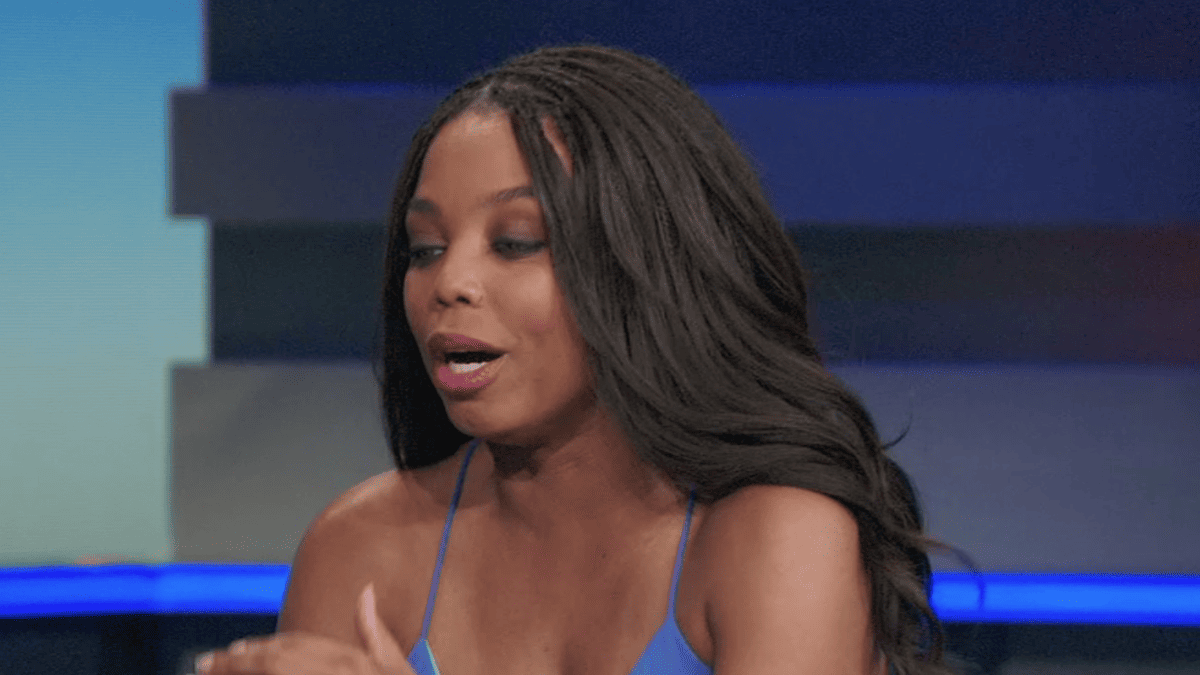
But Jemele Hill, the former ESPN host and current co-host of the "SPOLITICS" podcast, is pushing back against what she sees as uneven scrutiny. On a recent episode of SPOLITICS Live, Hill asked why Clark is catching heat for the same action that male athletes have taken without consequence.
"I ask why Caitlin Clark is getting smoke for walking out with country star Morgan Wallen at his concert when Peyton Manning, Travis Kelce, Myles Garrett, Marshawn Lynch, and many other male athletes have done the exact same thing," Hill said.
Hill's argument highlights a double standard that has long existed in sports media. While Clark's association with Wallen sparked outrage, the same critics were silent when NFL stars like Travis Kelce or NBA legend Shaquille O'Neal shared the stage with the singer. Wallen, who has apologized and donated $500,000 to Black organizations, has been welcomed back into the mainstream — except when it comes to women athletes.
Clark, for her part, has chosen to ignore the controversy entirely. She hasn't addressed the backlash publicly, instead focusing on her rookie season with the Fever. That might be the smartest play — especially given the intense scrutiny she already faces as the face of the league's new era.
The incident also comes amid a broader conversation about accountability and redemption in sports. Wallen's career rebounded after his 2021 scandal, with sold-out tours and collaborations with top artists. But the same grace hasn't always been extended to athletes — or, in Clark's case, to those who associate with him.
Hill's defense of Clark is likely to resonate with many who see the backlash as disproportionate. After all, Clark is not being judged for her own actions, but for who she chose to walk out with at a concert. In a world where male athletes routinely share stages with controversial figures without backlash, Hill's question feels more than fair.
As the Fever prepare for their next game, Clark is expected to keep her head down and focus on basketball. But the debate over double standards in sports won't disappear anytime soon — especially as the WNBA continues to grow its profile and attract new fans.
For now, Clark's silence speaks volumes, and Hill's commentary has added yet another layer to a conversation that's far from over.