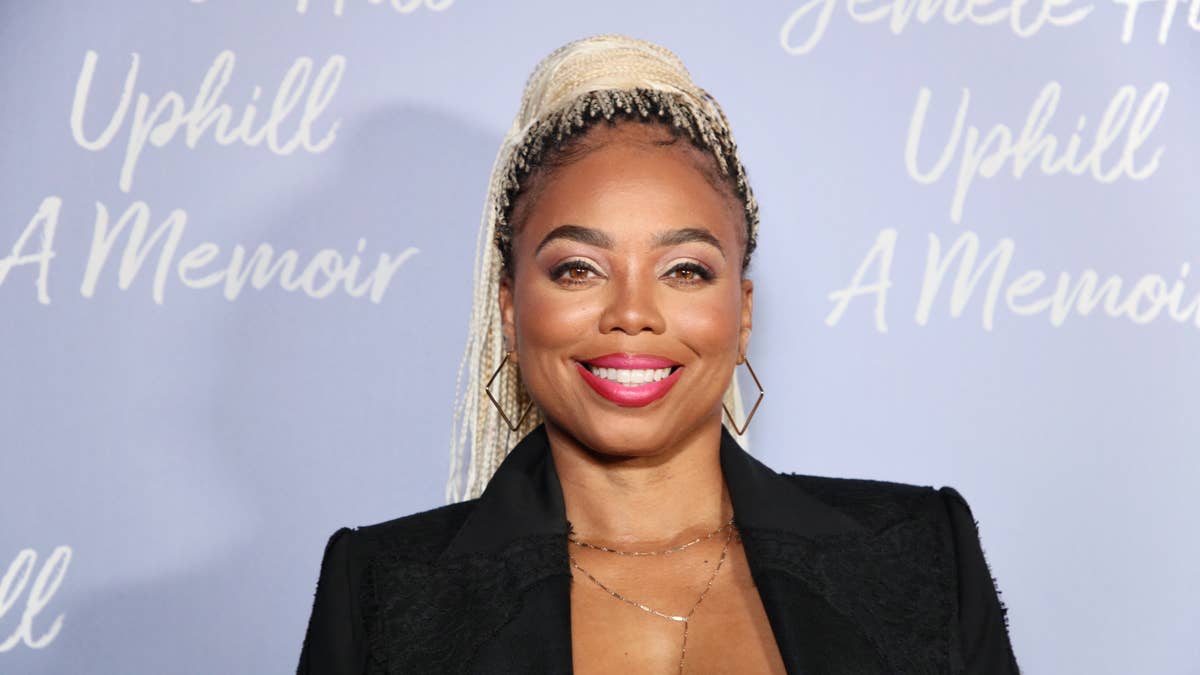
The WNBA is facing a storm of criticism after the Indiana Fever allegedly pulled the credentials of veteran reporter Scott Agness, a move that former ESPN star Jemele Hill didn't hesitate to label as “just weak” and emblematic of a league that looks “small and unprepared.”
Agness, who has covered the Fever for years, had his access revoked following his reporting on Caitlin Clark’s injury situation. He initially reported that Clark would sit out a game as part of a “strategic management plan” to manage her workload and health. The Fever denied that characterization, later ruling Clark out with a back injury, and accused Agness of spreading false information.
“This is me just trying to do my job and trying to gain clarity and understanding of the thinking and why this went down, because nobody comes out on top of this situation and it’s mostly the fans that are losing,” Agness said. “I was there when no one cared… Now that things have changed a little bit, I think everybody has to adapt.”
Hill, a longtime advocate for press freedom, took to social media to voice her frustration. “This is just weak. It’s a bad look for the Fever, and it makes the WNBA look small and unprepared. A beat reporter doing their actual job is not grounds for credential removal,” she wrote on X.
The controversy has sparked broader conversations about media access and transparency in the WNBA. Agness emphasized that the issue goes beyond one reporter. “Yeah, it’s of great concern, not just for me but for everyone right – freedom of the press,” he said.
Hill’s critique echoes her previous defense of journalists, including her recent support for Shams Charania amid criticism from Charles Barkley. The Fever’s decision has drawn comparisons to other sports organizations that have faced backlash for restricting media access, raising questions about how the league handles growing attention.
The incident also highlights the delicate balance between protecting player health information and allowing reporters to do their jobs. With Clark’s star power elevating the WNBA’s profile, the league is under increased scrutiny. As Hill pointed out, the credential removal doesn’t just hurt Agness—it harms the fans who rely on accurate reporting.
As the story gains traction, all eyes are on the Fever and the WNBA to see how they respond. Will they reverse course and restore Agness’s credentials, or will this become a flashpoint for broader media policy changes? For now, Hill’s blunt assessment has struck a chord with many who see this as a misstep for a league trying to grow its footprint.