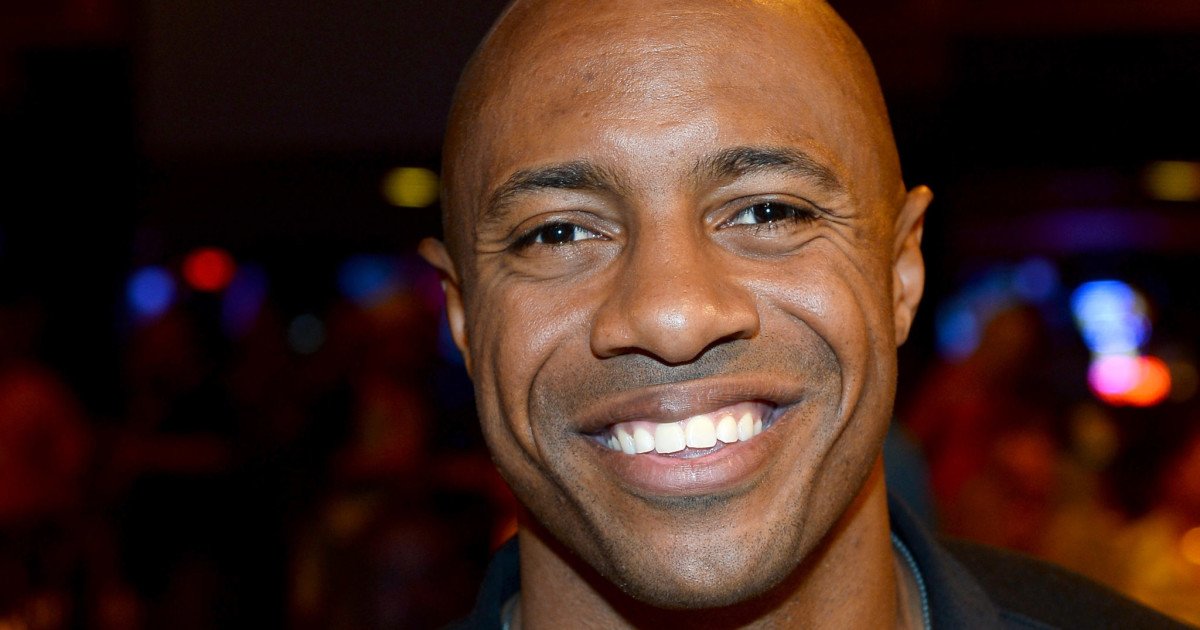
The annual ritual of bracket dissection has claimed its first high-profile victim: ESPN college basketball analyst and former Duke star Jay Williams. Social media lit up with instant criticism after Williams revealed a 2026 NCAA Tournament prediction that many are calling the definition of playing it safe.
The Case Against Playing It Safe
Williams’ bracket is what seasoned bracketologists call "chalk"—heavily favoring the highest-seeded teams. For the second consecutive year, his projected Final Four consists of all four No. 1 and No. 2 seeds. While logically sound, this approach has drawn ire from fans who crave the unexpected upsets that define March Madness mayhem. The online roasting was swift and merciless, with many accusing the analyst of a lack of creativity or boldness.

A Rush Job or Pure Instinct?
Part of the context lies in the frantic pace of Selection Sunday. As fellow ESPN commentator Jay Bilas has explained, network analysts are often asked to complete their brackets live on air within a brutally short five-minute window. This pressure-cooker environment forces snap judgments. Williams, it seems, didn't need the full allotment, sticking firmly with the teams at the top of the seed list.
The Unbeatable Defense: Last Year's Track Record
Amid the criticism, a powerful counter-argument emerged from Williams’ supporters. They point to his remarkably accurate 2025 bracket, where he correctly forecasted seven of the eight teams that reached the Elite Eight. "He literally went 7/8 last year," one fan noted, a sentiment echoed across platforms. Another added, "It might be fun to pick a 6+ seed to the E8, but doesn’t make it any more likely…" This defense frames Williams not as uncreative, but as a pragmatist whose method has proven successful.
The Great Bracket Philosophy Debate
This incident has ignited a broader debate about bracket strategy. Is the goal to pick the most probable outcome, or to make daring selections that can separate you from the pack in a pool? One fan highlighted this tension, noting that a family member who consistently picks favorites often finishes near the top of their group. The conversation mirrors larger frustrations in the sport, similar to when Duke faithful fume over perceived seeding injustices.
Critics argue that while a "chalky" bracket might be statistically prudent, it drains the fun from the tournament's inherent chaos. The magic of March is built on Cinderella stories and stunning surprises, elements entirely absent from a bracket that follows the seed lines perfectly. It raises the question: what's the value of an expert pick if it doesn't leverage expert insight to foresee potential chaos?
Will History Repeat in 2026?
All eyes will now be on the tournament itself to serve as the ultimate judge. If the top seeds power through to the later rounds with minimal drama, Williams will be vindicated as a prophet of probability. However, if the tournament delivers its usual dose of insanity with double-digit seeds making deep runs, the roasting will intensify. His 2025 success gives him a significant shield, but in the world of bracketology, you're only as good as your last prediction.
The saga underscores the intense scrutiny facing broadcasters during this period, a pressure that extends to how networks present the event, as seen when CBS heeded fan fury to streamline its Selection Show. For now, Jay Williams stands by his picks, armed with last year's results, while the college basketball world eagerly waits to see if safe truly equals smart.