The road to the 2026 national championship is officially mapped out, but the journey is already mired in controversy. Minutes after the NCAA Tournament bracket was unveiled, a firestorm erupted across college basketball, with fans and analysts pointing to three glaring seeding decisions that have sparked accusations of unfairness and incompetence from the selection committee.
Bracket Bombshell: The Top Seeds and Immediate Backlash
Duke earned the coveted No. 1 overall seed, leading a top line that includes Michigan, Arizona, and Florida. Powerhouses like UConn, Purdue, Houston, and Iowa State landed on the two-seed line, while a storybook entry came from Miami (Ohio), whose perfect regular season earned them a spot in the First Four despite a conference tournament stumble. Yet, the conversation quickly shifted from who's in to how they're in, as three specific placements drew immediate and intense scrutiny.

Mistake #1: Missouri's Home-Court Highway
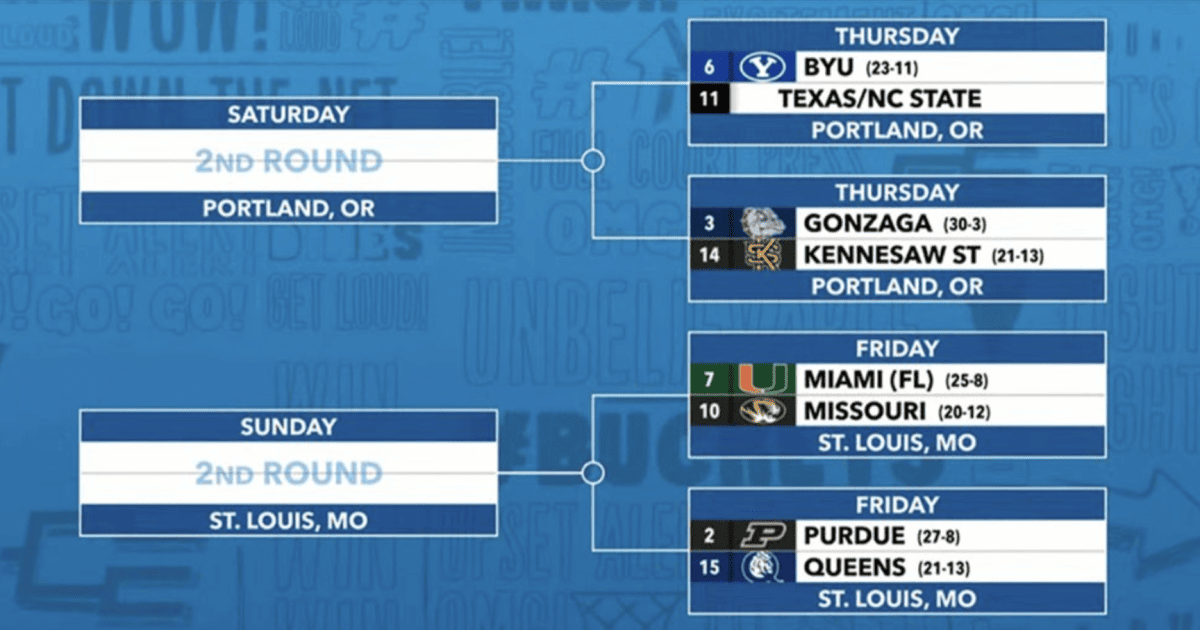
The most vocal outrage is directed at Missouri's placement. As a No. 10 seed, the Tigers were gifted what amounts to a home-game advantage, slated to play their opening rounds in St. Louis. This gives them a potentially massive crowd boost against No. 7 Miami and, should they advance, a second-round showdown with No. 2 Purdue. "Missouri playing in St Louis as a 10 seed is certainly a problem," wrote analyst Matt Zemek, echoing a sentiment felt nationwide. This kind of geographical gift for a lower-seeded team undermines the competitive balance the bracket is supposed to ensure, turning a potential Cinderella story into a hometown hero narrative.
Mistake #2: Carolina's Comfortable Path
North Carolina, landing as a No. 6 seed after a season hampered by Caleb Wilson's injury, also finds itself in a suspiciously friendly location. The Tar Heels are positioned to play in Greenville, setting up a scenario where a higher-seeded team like No. 3 Illinois could face a de facto road game. "Don’t love potentially facing UNC in Greenville, but without Caleb Wilson, I’d be good with it!" one fan conceded, while another bluntly stated, "Congrats on your 3 seed Illinois. Go play UNC in Greenville to face Houston in Houston. Yikes!" The decision has left many wondering if the committee is overcorrecting for Wilson's absence or simply botching basic bracket geography.
Mistake #3: A Big East Bloodbath Brewing
Fans of the conference are seeing red after the committee placed two of its titans, No. 2 seed UConn and No. 5 seed St. John’s, in the same region. This setup forces a potential Elite Eight clash between the league's best, preventing what could have been a marquee Final Four matchup. "Why they put UCONN and St John’s in the same region? It makes zero sense," lamented one supporter. Another added, "The fact the committee put UConn and St. John’s in the East Region is just another slap in the face to the Big East." This move echoes past frustrations with bracket construction, reminiscent of the kind of seeding snubs that ignite fan fury in other sports.
Selection Sunday Drama Becomes the Main Event
This year's bracket reveal proves that the drama isn't confined to the court. The immediate and passionate backlash highlights how every seeding decision is dissected under a microscope. While the committee's job is never easy, these three controversies have dominated the post-reveal conversation, overshadowing the achievements of the top seeds. It's a stark reminder that for every team celebrating, another feels wronged by the process. As the first games tip off Thursday, these perceived errors will add an extra layer of intrigue—and bitterness—to an already unpredictable tournament. For more on how networks handle the pressure of Selection Sunday, check out how CBS recently streamlined its bracket show in response to viewer demand.