The line between reporting and personal branding has erupted into a full-blown controversy, centering on a YouTuber's presence at a somber missing persons investigation. The case involves Nancy Guthrie, mother of 'Today' host Savannah Guthrie, who has been missing for over a month from Tucson, Arizona. The scene, however, was recently commandeered by an unexpected figure: an influencer known as Kiki, whose choice of attire and subsequent social media activity have drawn fierce criticism for perceived insensitivity.
A Scene of Grief Meets Influencer Aesthetics
Kiki arrived at the location last week to film content for her YouTube channel, aiming to report on the ongoing search. Instead of blending into the background, her vibrant outfit immediately stood out, with online critics accusing her of treating a serious situation as a backdrop for content creation. The backlash was swift and severe, with many labeling her behavior as inappropriate and disrespectful to the Guthrie family during a time of immense distress.
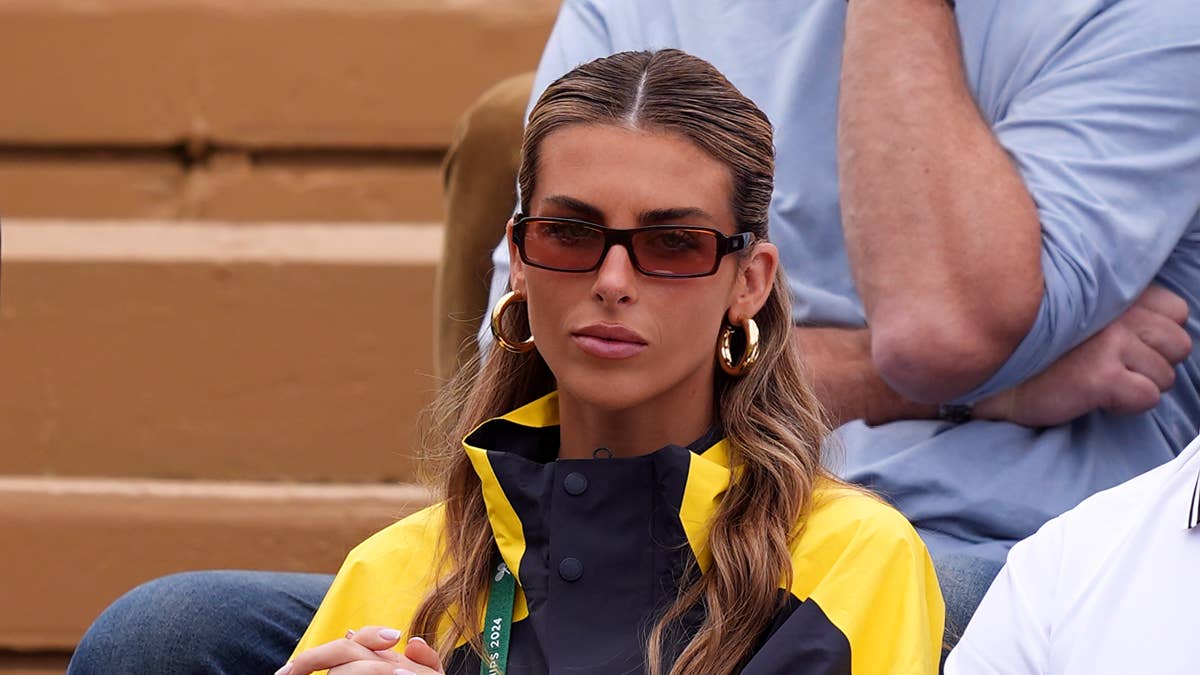
Rather than retreat, Kiki mounted a vigorous defense across her social platforms. In a fiery retort to her detractors, she wrote, 'A photoshoot..is that what u think? I was shooting a thumbnail, for my own channel. Not sure if you know how to do that, I know technology is difficult for you boomers.' She doubled down, asserting that her fashion choices were being unfairly scrutinized, stating, 'America is BIG mad over my (outfits)...But I dress like this everyday.'
Swimsuit Posts Fuel the Flames
The controversy escalated beyond her on-scene attire when Kiki's social media feed came under the microscope. Critics pointed to racy swimsuit photos she shared, arguing they underscored a lack of decorum given her self-appointed role as a reporter on a serious case. This fusion of personal glamour content with grim true-crime reporting has become the core of the debate, questioning the ethics and tone of influencer journalism.
This incident is part of a larger pattern where personal style clashes with public expectation in high-profile settings. We've seen similar debates, like when Paige Spiranac's bold golf course look sparks social media frenzy, or when Trump's golf cap sparks outrage at a solemn military ceremony. It highlights the ongoing tension between individual expression and situational appropriateness.
Kiki's stance raises complex questions about modern media. Is she a dedicated citizen journalist investigating a case, or a content creator leveraging a tragedy for views? Her supporters argue she is bringing attention to the story, while her critics see a blatant disregard for the gravity of the situation. The ethical boundaries of 'reporting' when combined with influencer marketing strategies remain murky at best.
The fallout extends beyond a single YouTuber, touching on broader issues of how sensitive news is covered in the digital age. It echoes discussions sparked by other media moments, such as TMZ's Donna Kelce window story sparking fan fury. The public is increasingly vocal about demanding respect and tact from all parties engaging with personal tragedies, whether mainstream media or independent creators.
As the search for Nancy Guthrie continues, this ancillary drama serves as a stark reminder of the intense scrutiny that surrounds high-profile missing persons cases. Every action, every post, and every outfit choice by those on the periphery can become a lightning rod for public opinion, sometimes overshadowing the central goal of finding a missing loved one. The digital age ensures that the court of public opinion is always in session, delivering swift and often unforgiving verdicts.