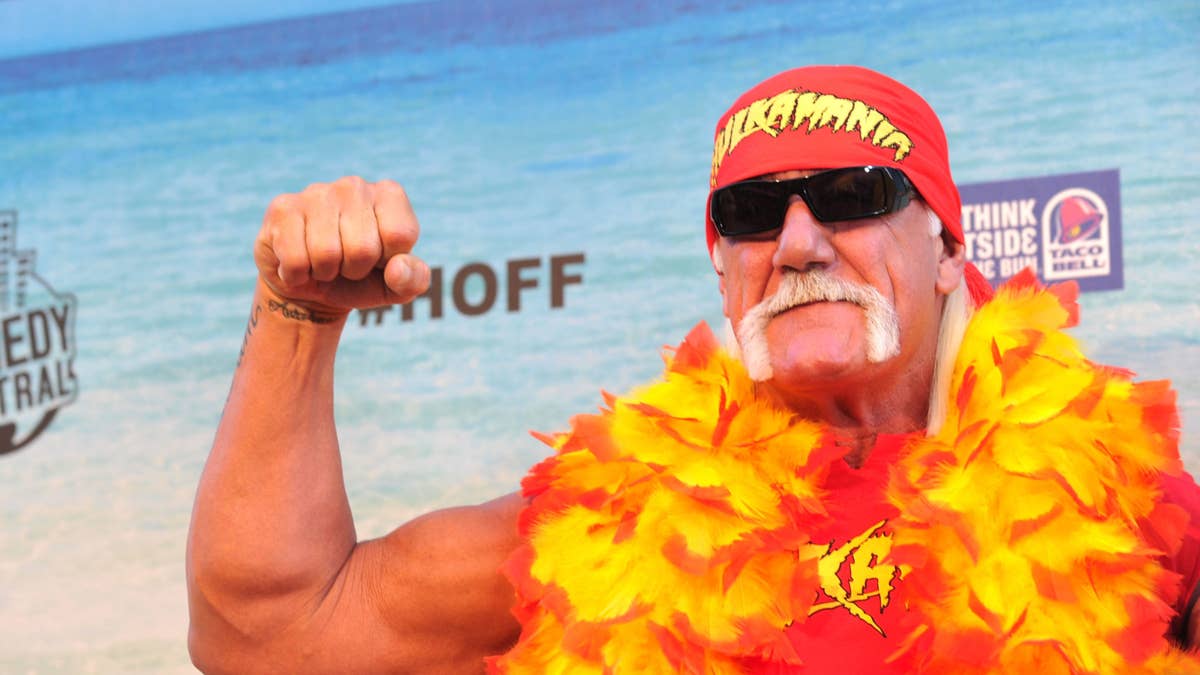
Behind the iconic bandana and 24-inch pythons, Hulk Hogan battled a painkiller addiction so severe it left medical professionals in disbelief. A new Netflix docuseries, Hulk Hogan: Real American, pulls back the curtain on the wrestling legend's darkest chapter, revealing he consumed near-lethal doses of fentanyl just to step into the ring.
The documentary details how, during his late-2000s run with Total Nonstop Action Wrestling (TNA), Hogan realized his body was too broken to perform. To manage the agony accumulated from decades of slams and suplexes, he turned to the powerful synthetic opioid in staggering quantities.
"I was taking 80-milligram fentanyls, two in the morning, stuffing them under my gums," Hogan recounts. "I had two 300mg patches on my legs and they gave me six 1500mg fentanyl lollipops to eat." The regimen was so extreme that when he described it to a pharmacist, the response was chillingly blunt: "You should be dead. We have never seen a human being take this much fentanyl."
A Legacy Forged in Pain
This harrowing confession adds a tragic layer to the story of Terry Bollea, the man behind Hulkamania. Hogan's career transformed professional wrestling from a regional spectacle into a global entertainment powerhouse. His charismatic, flag-waving persona in the 1980s WWF made him the face of the industry, headlining WrestleMania events and feuding with legends like Andre the Giant. He later reinvented himself as a villain in WCW, leading the revolutionary New World Order faction that sparked wrestling's second major boom.
Yet, the physical cost of that legendary career was immense. The documentary suggests Hogan's fentanyl use was a desperate attempt to silence the pain from countless injuries, a stark reminder of the hidden toll on sports icons. This story of survival against medical odds echoes other tragic sports tales, like the tragic details that emerge from fatal accidents involving athletes, highlighting the often-overlooked human struggles behind the fame.
Controversy and Comeback
Hogan's life outside the ropes has been equally tumultuous. He crossed into movies and reality TV with Hogan Knows Best, but his legacy has been marred by legal battles, family drama, and a major scandal following the leak of racist remarks in 2015, which led to a temporary exile from WWE. The docuseries doesn't shy away from these controversies, painting a complete picture of a complex and polarizing figure.
Even his personal life has been fraught with public tension, as seen when Brooke Hogan broke her silence about being cut from her father's will, a painful family rift played out in the spotlight. Later, she would make a painful admission that removing herself was a mistake, illustrating the ongoing personal struggles that accompany such a public life.
The documentary's release on Netflix also highlights the streaming giant's deepening dive into sports content, following other forays like its criticized MLB debut and its battle for live sports audiences, as seen when Sunday Night Football faces a streaming takeover.
The Human Behind Hulkamania
Ultimately, Hulk Hogan: Real American serves as a raw examination of survival—both in the ring and in life. Hogan's story of overcoming a fentanyl addiction that should have killed him adds a profound new dimension to his legacy. It's a cautionary tale about the price of physical stardom, reminiscent of other athletes' battles, such as the pills found in Tiger Woods' pocket during his DUI arrest, or the raw, emotional pleas for Woods' well-being from commentators who see the person behind the athlete.
Despite the controversies, Hogan's impact is undeniable. He helped build a multi-billion dollar industry and inspired generations of performers. This documentary ensures that his story—the glory, the pain, the redemption, and the shocking survival—will be part of that legacy forever.