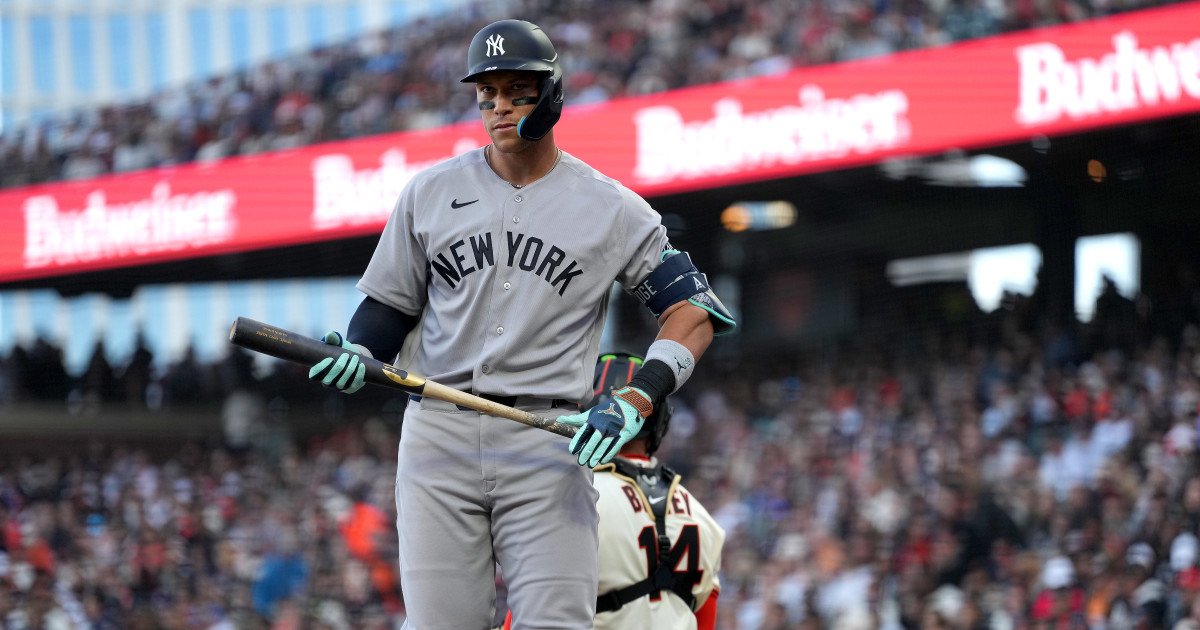
Netflix stepped up to the plate for its first Major League Baseball broadcast, but instead of hitting a home run, the streaming giant appears to have whiffed. The platform's exclusive coverage of Opening Night between the New York Yankees and San Francisco Giants drew immediate and fierce criticism from baseball fans, who felt the presentation prioritized Netflix's style over the substance of the game.
The backlash was swift and specific. Viewers took to social media to blast the on-screen graphics, particularly the scorebug, which many found clunky and distracting. The real frustration, however, boiled over when a pivotal moment in baseball history was seemingly ignored. During an in-game interview with Giants manager Tony Vitello, the very first Automated Ball-Strike (ABS) system challenge was issued and resolved. Instead of capturing this landmark event, the broadcast stayed with the interview, leaving fans furious.
"Showing a mid-game interview instead of the first ever ABS challenge in Major League history... shoutout Netflix, worst in the game," one fan fumed online, capturing the sentiment of many. Another asked pointedly, "Does Netflix realize that there’s a baseball game going on? How many interviews are they going to do?" The incident highlighted a fundamental clash between traditional sports broadcasting and Netflix's more documentary-style approach, leaving purists feeling the game itself was playing second fiddle.
The pregame show, featuring heavyweights like Barry Bonds, Albert Pujols, and Anthony Rizzo, also failed to win over the audience. Critics noted it felt less like a celebration of baseball and more like an extended advertisement for Netflix's other programming. As noted by sports media outlet Awful Announcing, the streamer baked in "plenty of crossover opportunities" and reminders of its other content, which many felt disrupted the flow and focus of the night. This isn't the first time Netflix's foray into live sports has raised eyebrows; the platform previously faced criticism for a polarizing Barry Bonds broadcast role during its experimental 'Thursday Night Baseball' games.
Despite the rocky start, Netflix's relationship with MLB is just beginning. As part of a three-year deal, the streamer is also set to broadcast two of the sport's most beloved spectacles: the Home Run Derby this July and the annual Field of Dreams game. This commitment signals that, ready or not, streaming platforms are becoming permanent players in the sports media landscape. The debut struggles echo similar fan frustrations seen when baseball's big night first moved to streaming-only access, creating hurdles for traditional viewers.
The criticism of Netflix's presentation taps into a broader conversation about how sports are consumed in the digital age. While the picture quality was praised as "second to none," the fundamental understanding of a live game's rhythm seemed off. The incident serves as a stark reminder that securing broadcast rights is only half the battle; delivering a product that respects the game and its fans is the other. It's a challenge other networks have faced, with CBS recently slammed for an 'embarrassing' March Madness halftime show that also prioritized flair over fundamentals.
For MLB, the partnership with Netflix represents a bold move to attract a younger, global audience. However, Wednesday's fan reaction proves that the core audience—the die-hard fans who live for every pitch—will not quietly accept a broadcast that disrupts their viewing experience. The balance between innovation and tradition is delicate. As one of the most historic nights on the baseball calendar, Opening Day carries a weight of expectation that Netflix's production, at least initially, failed to meet.
Looking ahead, all eyes will be on how Netflix adjusts its approach for the Home Run Derby and Field of Dreams game. Will it learn from the Opening Day missteps and deliver a cleaner, more fan-focused broadcast? Or will it double down on its signature style, potentially alienating the sport's most passionate viewers? One thing is certain: after this debut, the pressure is on. Netflix has proven it can dominate scripted entertainment, but the unscripted drama of live sports is a whole new ballgame. The streamer's next at-bat will be crucial in determining whether this partnership is a grand slam or a costly error.