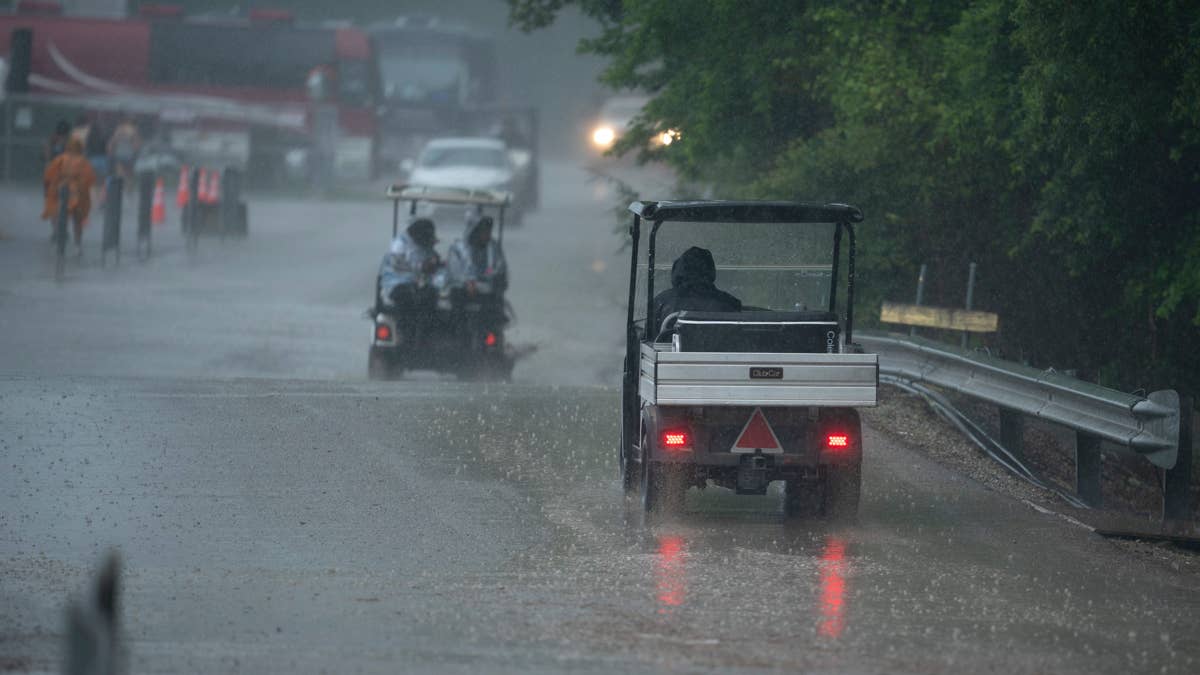
Mother Nature is turning up the volume on the final day of April, and it's not just a gentle spring shower. The National Weather Service has sounded the alarm for two major regions across the United States: heavy rainfall and scattered flash flooding are on the menu starting Thursday, and the effects could linger into Friday evening.
From the Lone Star State all the way through the Lower Mississippi Valley, residents should prepare for rounds of storms that could dump significant rain. The National Weather Service warns: 'Rounds of storms are likely to bring locally heavy rainfall and the potential for scattered flash flooding from Texas into the Lower Mississippi Valley today through Friday night.' Forecasters expect 2 to 4 inches of rain, with some areas possibly seeing even higher totals.
This isn't just a light drizzle. The flash flood warning stretches across four states: Alabama, Louisiana, Mississippi, and Texas. If you live in or are traveling through these areas, it's time to pay attention. For context, just earlier this week, 10 states were under a flood watch as rains threatened the South, and this latest advisory amplifies the concern.
So, what should you do if the water starts rising? The National Weather Service has a checklist that could save lives. First, stay informed: tune into local radio, TV, or NOAA Weather Radio, and check online and social media for updates. Knowledge is power when the skies open up.
If you're in a flood-prone area or camping in low-lying terrain, don't wait—get to higher ground immediately. And if evacuation orders come through, obey them without hesitation. Lock up your home, and if time allows, disconnect utilities and appliances. It's better to be safe than sorry.
Electrical safety is a huge concern during floods. Never enter a basement or any room where water covers electrical outlets or submerged cords are present. If you hear buzzing, crackling, or snapping noises, get out fast. Stay away from water that might be electrified—it's a hidden danger that can be deadly.
Perhaps the most critical advice: avoid flood waters at all costs. Just six inches of moving water can knock you off your feet. If you're trapped by rising water, move to the highest point possible and call 911. And please, do not drive into flooded roadways or around barricades. The phrase 'Turn Around, Don't Drown' exists for a reason. Water can be deeper than it looks, hiding sharp objects, washed-out roads, electrical wires, or chemicals. A vehicle can be swept away in seconds—12 inches of water can float a car or small SUV, and 18 inches can carry away larger vehicles.
This weather event is a stark reminder that spring can bring more than just blooming flowers. For those in the path of these storms, staying alert and prepared is key. Let's all hope everyone stays safe out there.