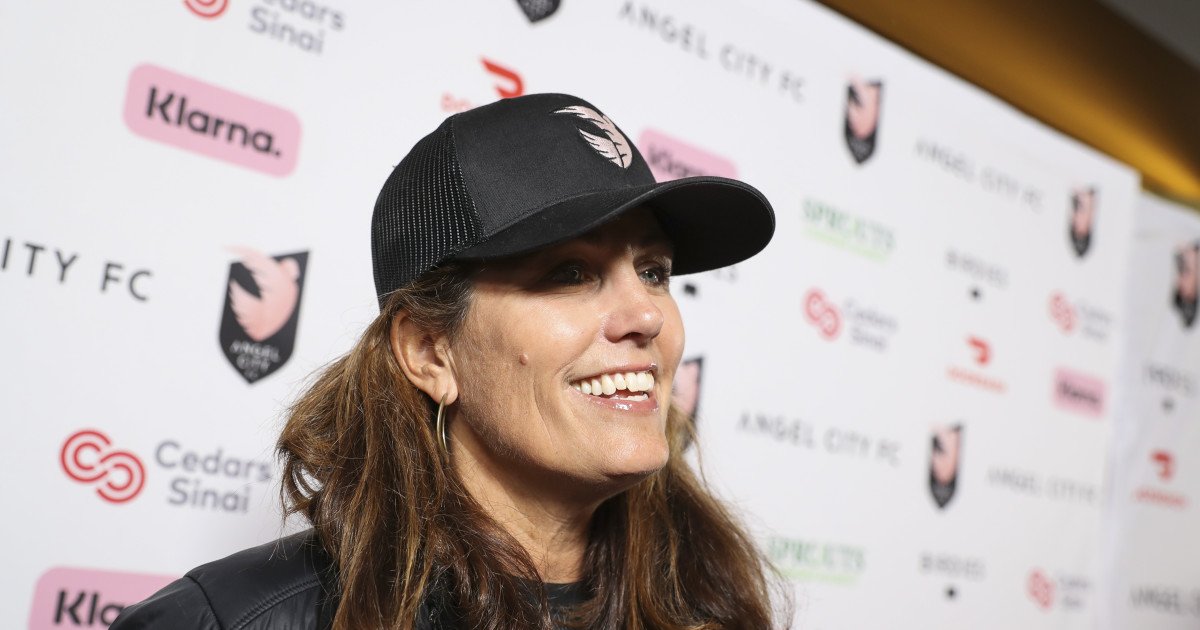
Julie Foudy isn't just celebrating International Women's Day—she's using it as a megaphone. The U.S. soccer icon turned broadcaster launched a powerful, on-air indictment against what she sees as systemic disrespect plaguing women's sports coverage, zeroing in on a seemingly small detail that speaks volumes.
A Broadcast Battle Cry
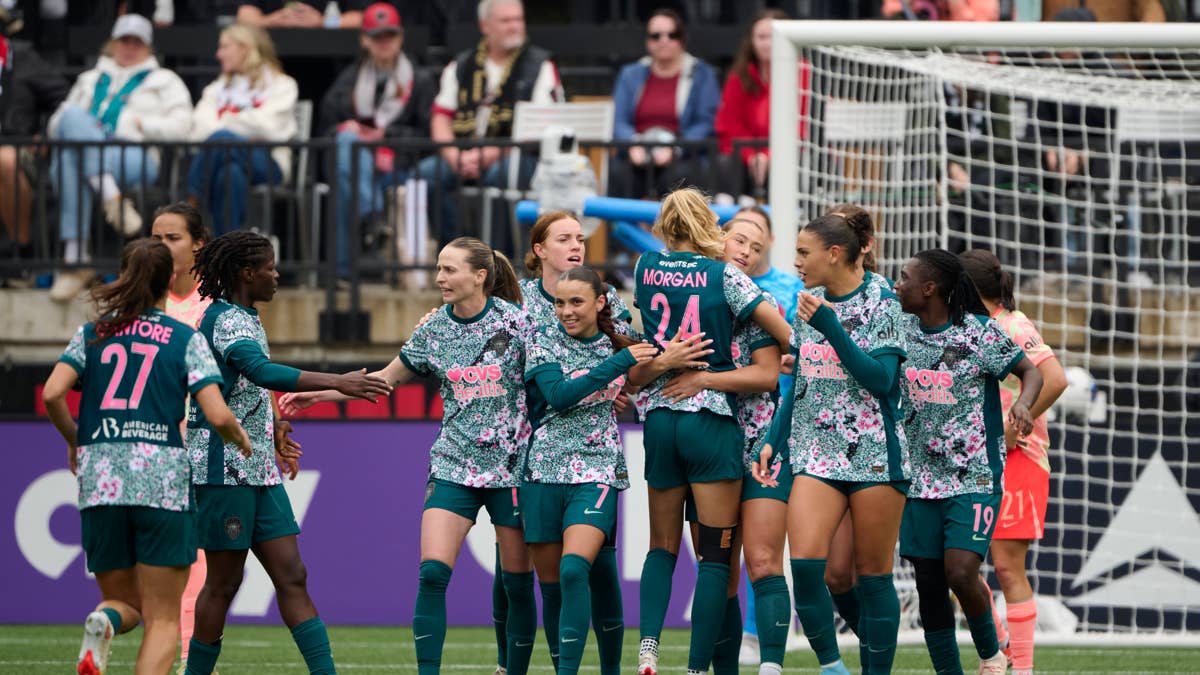
During TNT's coverage of the USWNT's SheBelieves Cup clash with Colombia, Foudy shifted from analyst to advocate. She highlighted a frustrating, routine shortcoming: when her broadcast team receives rosters for women's international matches, critical data like a player's "caps and goals" is consistently absent. This basic statistical information, standard for men's broadcasts, is treated as an afterthought for the women's game.
"You might be thinking, 'That's a minor deal,'" Foudy conceded to viewers. "It is not a minor deal, and here's why." She framed the missing stats as a symptom of a much larger disease: a fundamental lack of care and respect. "What this says to me is, 'I don't care enough to keep track of your caps and goals. I don't care enough to write down the achievements of these women.'"
Beyond the Stat Sheet
For Foudy, a two-time World Cup champion and veteran of 271 international appearances, this isn't about spreadsheet cells. It's about recognition. "This isn't just about caps and goals," she asserted. "This is about a lack of respect for the women's teams globally. And it's not just about soccer, mind you. It's in every industry, it's in every day." Her point resonates across the sports landscape, where the fight for equitable treatment continues, from broadcasting resources to arena conditions.
Foudy's passionate critique echoes sentiments felt by many in women's sports. It's a reminder that progress requires vigilance in all areas, from major policy changes to the granular details of a production truck. This kind of advocacy is crucial, as seen in other pivotal moments for women's athletics, like when Olympic champion Hilary Knight used controversy to demand better for women's hockey.
Connecting her message to the weekend's occasion, Foudy channeled a powerful quote from USWNT coach Emma Hayes. "She said, and this is how we should treat this, 'We shouldn't have one day a year for women. We should make every day about women,'" Foudy shared. "And it starts with just getting us the caps and goals!"
The call to action is clear: move beyond symbolic, annual recognition to consistent, daily respect. This philosophy is gaining momentum, evidenced by the record crowds roaring for women's hockey's post-Olympic return, proving audience demand is there when investment meets opportunity.
Foudy's stand is part of a broader, ongoing conversation about equity in sports media. It touches on everything from airtime and analyst roles to the fundamental resources provided to tell these athletes' stories fully. As audiences grow for events like the NCAA women's basketball tournament—which recently saw a major talent shift when veteran analyst Debbie Antonelli moved from CBS to ESPN's coverage—the expectation for professional, detailed broadcasting only increases.
Ultimately, Julie Foudy's message is a challenge to the entire sports ecosystem. It's a demand to stop treating women's sports as a secondary product and to start honoring the athletes, their histories, and their achievements with the same thoroughness and dignity afforded to men. The path forward, as she makes unequivocally clear, is paved with respect—and it starts with getting the stats right.