The race to host the 2026 FIFA World Cup isn't just happening on the pitch—it's happening in the planning rooms of host cities. And right now, Philadelphia is sprinting ahead of the competition with a game-changing move for soccer fans. While other major metros grapple with logistics and costs, the City of Brotherly Love has just served up a massive assist: free transportation for fans exiting World Cup games this summer.
A Fan-Friendly Masterstroke
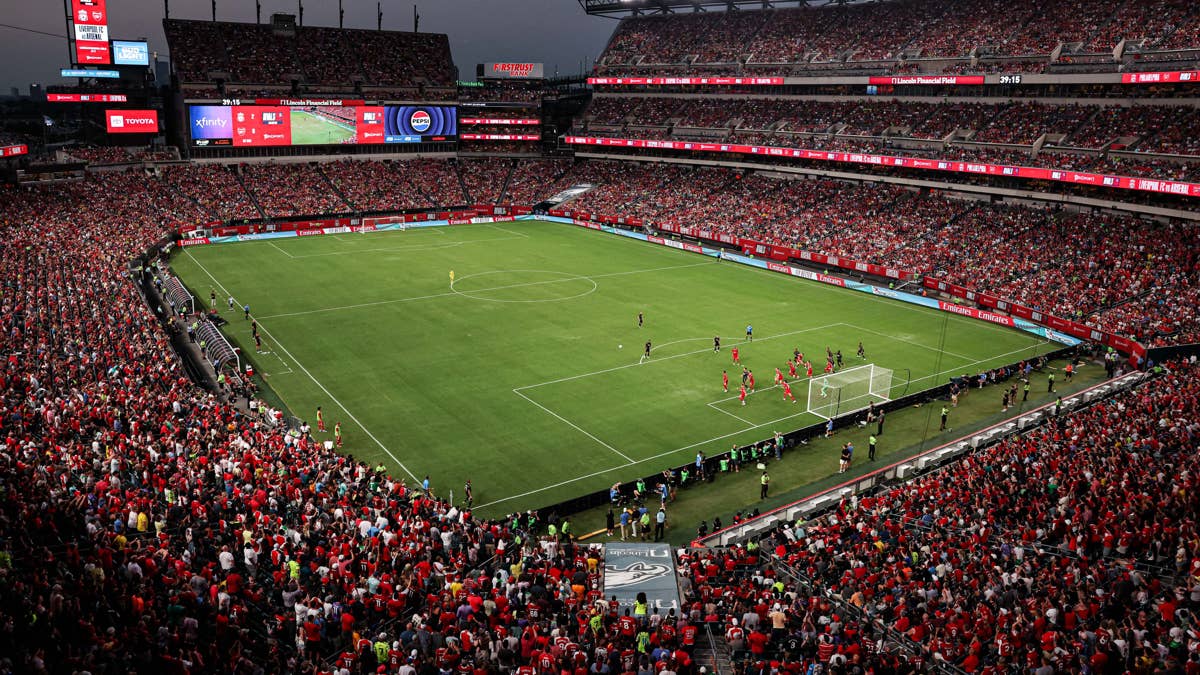
In a brilliant play for supporter goodwill, Philadelphia's World Cup organizing committee, aided by a partnership with Airbnb, has ensured that attendees won't pay a cent for their ride home after the final whistle blows. According to a report from The Athletic's Adam Crafton, the outbound trip will be completely free. Even the inbound journey to Lincoln Financial Field remains a bargain, locked at the standard SEPTA fare of just $2.90. This proactive strategy aims to ease congestion and create a seamless, celebratory atmosphere, setting a new standard for fan experience at one of the globe's biggest events.

The Sticker Shock Elsewhere
Philadelphia's approach shines a harsh light on the plans taking shape in other host cities. Fans heading to matches at New York/New Jersey's MetLife Stadium or Boston's Gillette Stadium in Foxborough are reportedly looking at transit costs nearing a staggering $100 for a round trip. This dramatic disparity has sparked immediate comparisons and growing frustration among supporters who are already bracing for the immense expense of attending the tournament. The move underscores a wider growing concern over World Cup transit costs that could dampen the party atmosphere before it even begins.
Political Headaches Mount
As the 2026 kickoff draws closer, the initial euphoria of winning host city status is giving way to political and budgetary reality. In New Jersey, State Senator John Burzichelli voiced the simmering anxieties of many lawmakers during a recent budget meeting. "This is an event that just keeps on giving with surprises in this building," he remarked, highlighting the unforeseen complications and potential burden on taxpayers. His comments, reported by Politico, echo a sentiment that hosting this global spectacle is becoming "more and more complicated," with cities wary of the final financial tally.
The contrast couldn't be clearer. While some jurisdictions see the World Cup as a logistical and fiscal challenge, Philadelphia's committee has framed it as an opportunity to showcase civic hospitality. By securing a corporate partnership to cover the transit costs, they've alleviated a potential pain point for both the city's budget and the everyday fan. It's a savvy move that positions Philly not just as a venue, but as a premier host.
Setting the Stage for 2026
The 2026 World Cup, the first on North American soil in over three decades, promises to be a historic spectacle across 16 cities. The U.S. contingent, including Atlanta, Los Angeles, Miami, and others, is now in the spotlight, with each city's preparations under intense scrutiny. Philadelphia's transit announcement is an early victory in the off-field competition for fan approval and operational smoothness.
This kind of forward-thinking planning is what separates a good host from a great one. In an era where the cost of attending major sporting events is constantly under the microscope, Philadelphia's play is a direct pass to the supporters. It acknowledges that the fan experience doesn't end when the game does; it includes the often stressful and expensive journey home.
As other cities like New York and Boston navigate political debates and price structures, Philadelphia has already scored. They've demonstrated that with creative partnerships and fan-centric priorities, hosting a world-class event doesn't have to mean gouging the very people who make it special. It's a lesson in sports hospitality that resonates far beyond soccer, much like the careful career planning seen in other sports, such as when Steph Curry shuts down retirement talk to focus on his legacy.
For soccer fans planning their 2026 pilgrimage, Philadelphia just became a much more attractive destination. In the high-stakes game of hosting, the City of Brotherly Love has taken an early lead, proving that sometimes the best moves happen long before the players ever take the field.