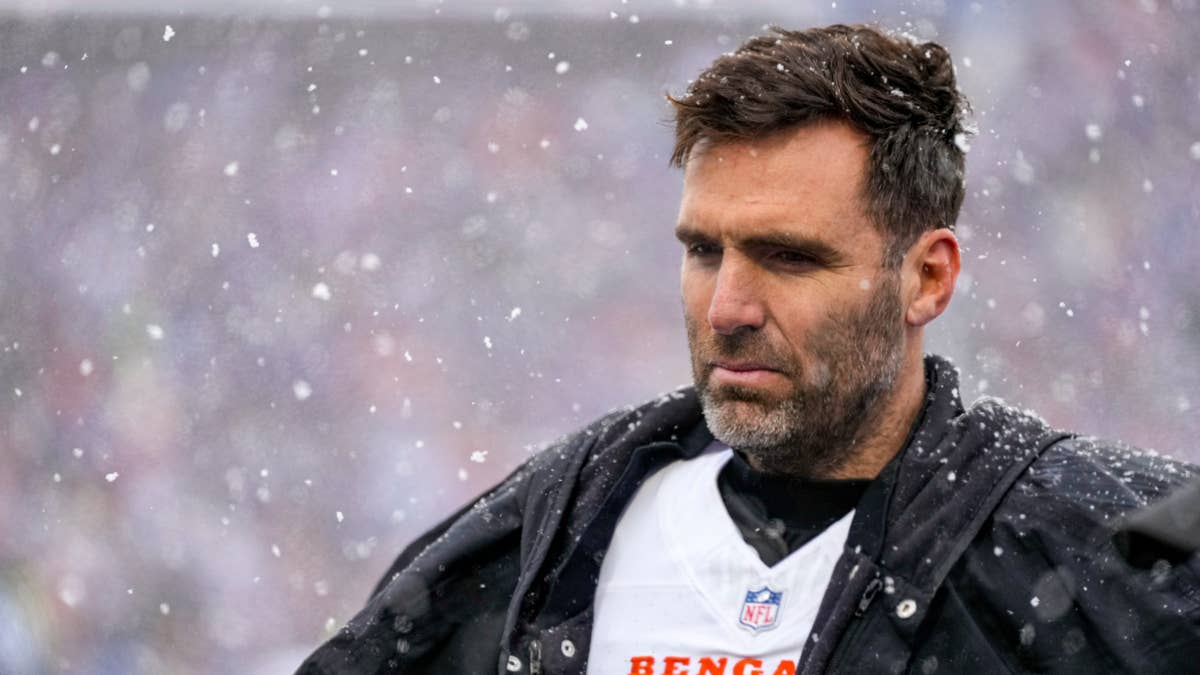
The NFL's relentless march toward a longer regular season is meeting some veteran resistance. Cincinnati Bengals quarterback Joe Flacco, a seasoned voice in the league, is sounding the alarm on the owners' growing interest in expanding the schedule to 18 games, delivering a clear message: enough is enough.
A Veteran's Perspective on the Grind
Since the league shifted from 16 to 17 games in 2021, the chatter about adding an 18th contest has steadily grown in ownership circles. The financial incentive is obvious, but for the players who endure the weekly punishment, the calculus is different. Flacco, now preparing for his 19th NFL campaign, cut straight to the point in a recent interview, questioning the seemingly endless push for more.

"It's got to stop at some point," Flacco stated emphatically. "What happens when we go to 18? Are they going to want 20? Are they going to want 22? We used to play 14 games before I was born. At some point it has to stop." His comments reflect a growing concern among players about the physical toll and the slippery slope of constant expansion, a debate that echoes fan frustrations over other scheduling decisions, like the Masters TV schedule that sparked fan fury earlier this year.
Owners See Dollar Signs, Commissioner Pumps the Brakes
Team owners like the Indianapolis Colts' Carlie Irsay-Gordon have openly championed the idea, suggesting that replacing a preseason game with a meaningful regular-season contest would create "a better product" for fans and more revenue for all. The league's stance, however, appears more measured—for now. Commissioner Roger Goodell recently downplayed the inevitability of an 18-game slate, noting, "It is not a given that we will do that. It's not something we assume will happen." This careful positioning from the league office is reminiscent of other strategic holds, such as when Goodell held the line defending the Rooney Rule against legal challenges.
Despite the commissioner's tempered comments, Flacco isn't buying the notion that the push will fade. He sees the financial engine of the NFL as an unstoppable force, making an 18-game season feel like a foregone conclusion. "If we're asked to play 18 games, I think you're not going to see much difference, and it looks like we're probably eventually going to play 18 games," Flacco conceded, adding with resignation, "and we'll just have to do it, and it is what it is."
The Human Cost of a Longer Season
Flacco's warning goes beyond mere preference; it's a statement on player welfare. Each additional game is another week of brutal hits, heightened injury risk, and extended recovery time. For a player like Flacco, who has defied age to return for a 19th season, the cumulative effect of a longer career is intimately understood. His stance highlights the central tension in modern professional sports: the pursuit of profit versus the protection of the athletes who generate it.
The debate also intersects with how the league manages its overall calendar, including preseason evaluations and bye weeks. While owners critique the preseason product, it remains a vital tool for developing younger talent and finalizing rosters—a process that could be compromised with further cuts.
What's Next for the NFL Schedule?
For the immediate future, the NFL will operate with its 17-game format. But as Flacco rightly notes, in a league driven by revenue, money talks loudly. The discussion is firmly on the table, and it will require serious negotiation with the NFL Players Association whenever the current collective bargaining agreement is reopened. Player safety and roster construction will be at the heart of those talks.
Flacco's vocal opposition provides a crucial counterweight to the ownership momentum. It serves as a reminder that every added game has a real human cost, challenging the league to consider where the line truly should be drawn. As the NFL continues to evolve and expand its global footprint, the length of its season remains one of its most contentious and impactful debates.