The NFL's long-standing commitment to diversity is facing a direct legal challenge, and Commissioner Roger Goodell is making it clear the league isn't backing down. At the center of the storm is the Rooney Rule, the policy requiring teams to interview minority candidates for top coaching and front-office jobs, which is now in the crosshairs of Florida Attorney General James Uthmeier.
A Rule Under Fire
Established over two decades ago and named for the late Pittsburgh Steelers owner Dan Rooney, the Rooney Rule was designed to break down barriers and ensure a wider, more equitable pool of talent is considered for the NFL's most influential roles. The league has consistently argued that this process strengthens organizations from the top down. "The Rooney Rule is one part of the NFL’s effort to develop a deep, sustainable talent pool at all levels," the league stated. "This diversity enriches the game and creates a more effective, quality organization from top to bottom."
However, that foundational belief is now being labeled as unlawful. In a sharply worded letter to Goodell, Florida AG James Uthmeier threatened civil rights action against the league, calling the rule "blatant race and sex discrimination." He argued that fans care only about winning, not a coach's background, and declared the policy "illegal in Florida." This sets the stage for a significant clash between state law and a core league initiative.
Goodell's Unwavering Defense
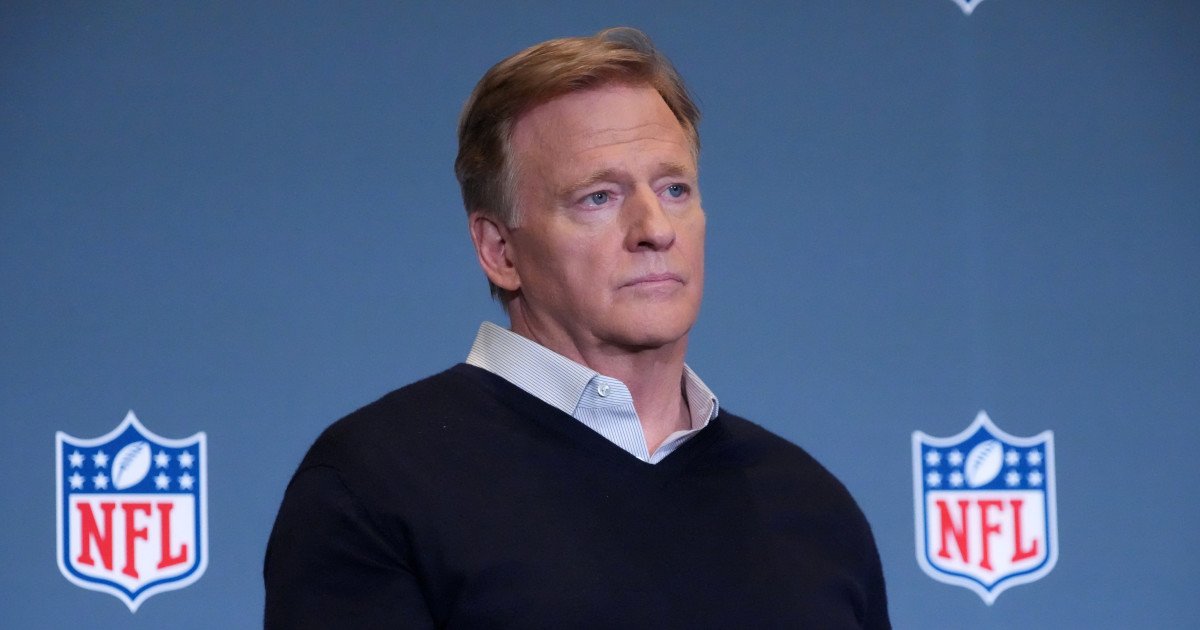
Speaking at the NFL's annual league meetings, Commissioner Goodell responded with resolve. He acknowledged the rule has evolved and will continue to be refined, but emphasized that the principle behind it remains non-negotiable. "One thing that doesn’t change is our values and we believe in diversity and its benefit to the National Football League," Goodell stated firmly.
He also signaled the league's readiness to engage in the legal debate. "We are well aware of the laws and where the laws are changing and evolving. We think the Rooney Rule is consistent with those and we certainly will engage with the Florida AG or anybody else as we have in the past to talk about our policies," Goodell said, making it clear the NFL views its policy as legally sound. This stance echoes other moments where league leadership has had to stand firm on a controversial position in the face of external pressure.
Broader Implications for Sports
The controversy extends beyond football, touching on ongoing debates about equity, meritocracy, and opportunity across professional sports. The outcome of this potential legal battle could influence diversity initiatives in other leagues. It's a high-stakes defense for Goodell, whose tenure has been defined by navigating complex off-field issues. As the league continues its media evolution, with moves like the NFL Network's transition to ESPN, maintaining the integrity of its core policies remains paramount.
The situation also highlights how off-field governance can become as contentious as the action on it. Just as a coach must take responsibility for a critical loss, league leadership is now accountable for defending its institutional rules. The argument from Florida's attorney general that performance is the only metric that matters stands in stark contrast to the league's belief that a diverse leadership pipeline is essential to achieving that performance.
For now, the ball is in Florida's court. Will Attorney General Uthmeier follow through on his threat of legal action? Goodell and the NFL have planted their flag, defending the Rooney Rule not just as policy, but as a reflection of the league's values. As this story develops, it promises to be a defining chapter in the NFL's ongoing effort to shape its culture and leadership, proving that some of the toughest battles aren't fought on the gridiron, but in conference rooms and courtrooms.