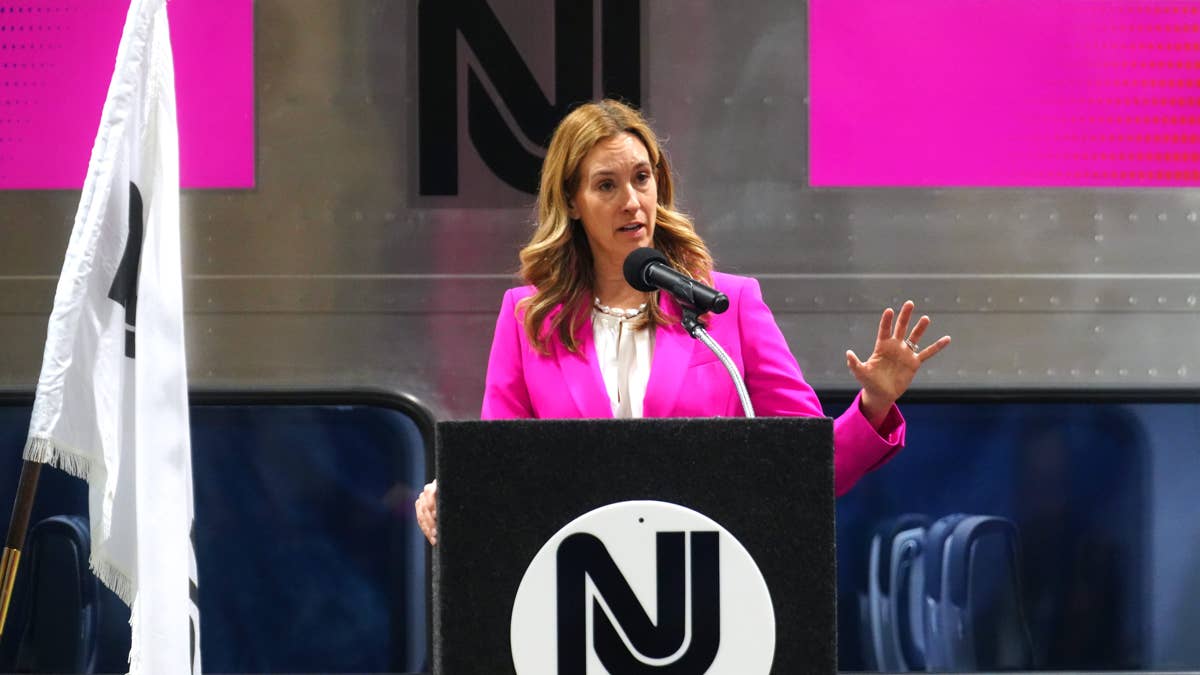
With the 2026 FIFA World Cup kicking off in North America in less than two months, a fiery financial dispute has erupted between the global soccer governing body and New Jersey's top official. Governor Mikie Sherrill is demanding FIFA cover massive transportation costs for fans, but the organization has fired back with a firm and surprising rebuttal, refusing to budge.
The $48 Million Transit Tab
The core of the conflict centers on who pays to shuttle hundreds of thousands of soccer fans to and from MetLife Stadium in East Rutherford for its eight World Cup matches. A recent report revealed that NJ Transit is considering a drastic fare hike for special World Cup train service from New York's Penn Station—from the standard $12.90 to a staggering $100 per trip. Governor Sherrill places the blame and the bill squarely on FIFA.

"We inherited an agreement where FIFA is providing $0 for transportation to the World Cup," Sherrill stated. "And while NJ TRANSIT is stuck with a $48 million bill to safely get fans to and from games, FIFA is making $11 billion. I'm not going to stick New Jersey commuters with that tab for years to come. FIFA should pay for the rides." The Governor warned she would approve the steep fare increase if FIFA does not contribute.
FIFA's Forceful Counterpunch
FIFA did not take the Governor's comments lightly. In a sharply worded statement released Thursday, the organization expressed surprise and defended its position, pointing to long-standing contractual agreements.
"The original FIFA World Cup 2026 Host City Agreements signed in 2018 required free transportation for fans to all matches," FIFA explained. "Recognizing the financial strain this placed on the host cities, back in 2023 FIFA adjusted the Host Agreement requirements... All Match Ticket holders and accredited individuals shall be able to access transport... at cost."
The organization argued it has worked for years with host cities on mobility plans and helped secure federal funding. In a pointed comparison, FIFA's statement added, "FIFA is not aware of any other major event previously held at NYNJ Stadium, including other major sports, global concert tours, etc., where organizers were required to pay for fan transportation." This stance echoes other high-profile sports disputes, like when the NFL clamps down with stern memos during league standoffs.
A High-Stakes Standoff
This clash puts the spotlight on the immense costs and complex negotiations behind hosting the world's largest sporting event. With the tournament imminent, there is little time to resolve the impasse, potentially leaving fans to bear the burden of skyrocketing travel costs. The situation underscores how logistical and financial challenges can create major headlines, much like when a chemical spill shuts down a major New Jersey highway after a freight train derails, disrupting critical infrastructure.
The dispute also highlights the tension between the economic windfall promised by mega-events and the real operational expenses shouldered by local governments and transit agencies. As FIFA prepares to welcome millions of fans, this fight over transportation funding threatens to cast a shadow over the festivities in the New York/New Jersey area.
With both sides digging in, a resolution before the first whistle blows seems uncertain. The world will be watching not just the soccer, but how this high-profile financial showdown plays out, proving that the biggest games often start long before the players take the field. This kind of pre-event drama isn't unique to soccer; similar contract and financial tensions arise across sports, from Myles Garrett's $1 million gamble in an NFL offseason standoff to jersey rights battles like Frank Thomas suing the White Sox.