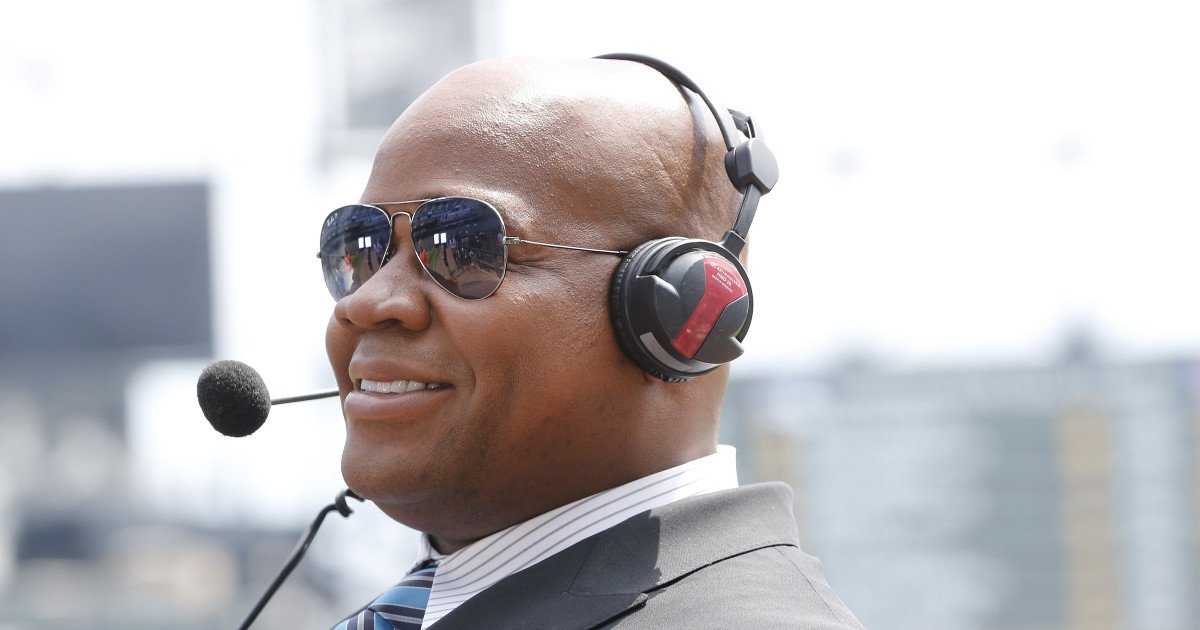
In a stunning legal swing, Chicago White Sox icon and Baseball Hall of Famer Frank Thomas has filed a lawsuit against the very franchise where he built his legendary career. The suit, also targeting corporate giants Nike and Fanatics, centers on allegations that the parties used Thomas's name, likeness, and iconic number 35 for commercial gain without his authorization or compensation.
The Core of the Controversy
The dispute reportedly stems from the team's 2023 City Connect 2.0 jersey series. Thomas and his legal team contend that jerseys bearing his name and number were produced and sold, capitalizing on his enduring legacy without cutting him in on the proceeds. This move, they argue, represents a clear violation of his right to control the commercial use of his identity.
"Companies may not profit from anyone's identity without their permission," stated William T. Gibbs of Corboy & Demetrio, Thomas's attorney, in comments obtained by TMZ. Gibbs confirmed the complaint alleges specific breaches of the Illinois Right to Publicity Act. While the exact dollar figure sought in damages remains undisclosed, the filing cites "economic detriment" and a significant "loss of licensing revenue" for the slugger known as "The Big Hurt."
A Legacy Now in Legal Crosshairs
The lawsuit creates a profound irony, pitting Thomas against an organization that has, in many ways, immortalized him. The White Sox retired his No. 35 jersey and erected a statue in his honor outside Guaranteed Rate Field. Thomas spent 16 of his 19 stellar seasons on the South Side, amassing 521 home runs, 1,465 RBIs, two American League MVP awards, and a pristine reputation untouched by the steroid scandals of his era. His 2014 Hall of Fame induction seemed to cement a forever bond with the team.
Now, that bond is being tested in a courtroom. The case highlights the complex, and often contentious, relationship between sports legends and the teams they helped build, especially when it comes to modern merchandising empires. It's a scenario that echoes other disputes where legacy and jersey rights become central issues.
Broader Implications for Sports and Licensing
This legal action sends a powerful message far beyond the confines of Chicago's ballpark. It underscores the value former players place on their intellectual property long after retirement. In an age where throwback merchandise is a massive revenue stream, this lawsuit could set a precedent for how teams and manufacturers engage with the legends of yesteryear.
The situation also reminds fans that the business of sports often continues long after the final out. While fans celebrate historic moments and legendary buzzer-beaters, the athletes themselves must vigilantly protect their brands. This case shares a thematic link with stories across the sports world where legacy is both celebrated and contested, much like when iconic jersey numbers are passed to a new generation.
As the legal process unfolds, the baseball world will be watching closely. Will the White Sox and their partners settle with one of their greatest heroes, or will they dig in for a protracted fight? One thing is certain: Frank Thomas, who built a career on powerful, precise hits, is now taking a mighty cut off the field.