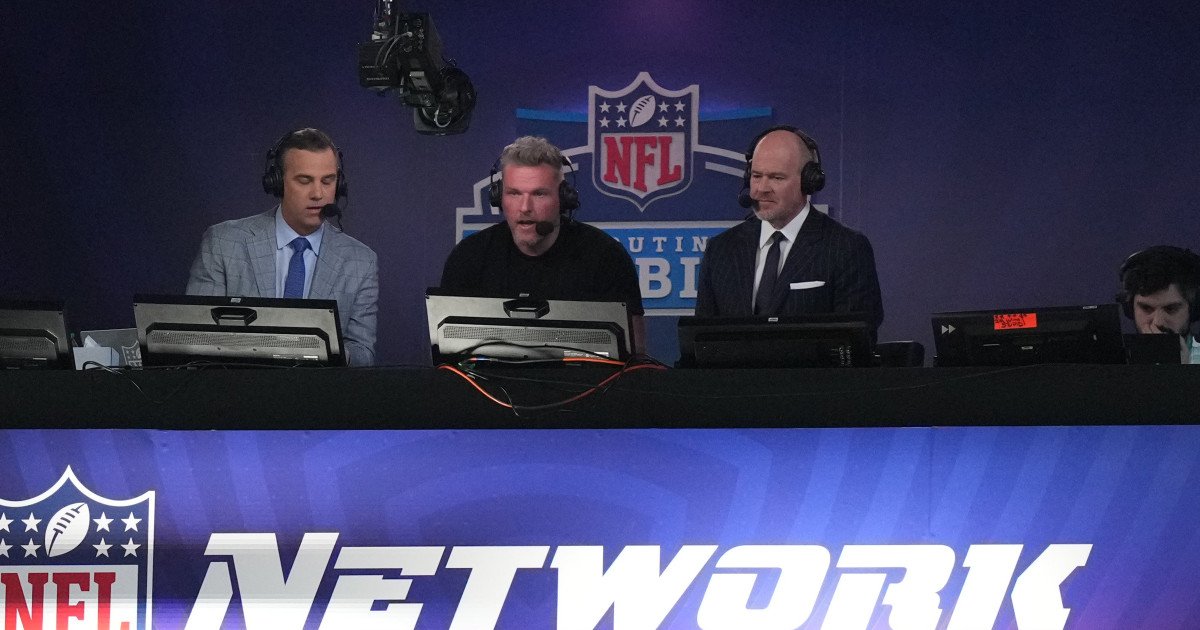
The paperwork is signed, the memos are sent, and a seismic shift in sports broadcasting is now official. This week marks the completion of NFL Network's transition to ESPN ownership, a move that promises to reshape how football fans consume year-round coverage. While the deal was announced months ago, the formal handoff brings concrete changes—and significant fan anxiety—to the forefront.
A Commissioner's Farewell
NFL Commissioner Roger Goodell marked the occasion with a heartfelt memo to NFL Network staff, reflecting on the channel's unlikely two-decade journey. “In 2003, we had an idea,” Goodell wrote, acknowledging the initial skeptics who doubted a 24/7 NFL channel could succeed. “Many skeptics doubted there was demand for a network featuring round-the-clock, yearlong NFL news, information, and analysis. But we knew our fans.” He praised the team's “remarkable” work and noted it was “no surprise” that ESPN, an “industry leader,” would find their output attractive for serving fans' “insatiable appetites.”
ESPN's New Playbook for NFL Network Leaders
The integration blueprint came via a memo from ESPN executives Burke Magnus and Rosalyn Durant. The plan reassigns several veteran NFL Network executives to key roles within the ESPN hierarchy:
- Charlie Yook, a 20-year NFL Network veteran and recent production executive, joins ESPN as Vice President and Executive Producer of Content Production. He will continue overseeing NFL Network operations from its Hollywood Park base, reporting to ESPN's EVP of Sports Production, Mike McQuade.
- Todd Sperry, who led NFL Network's newsroom for 11 years after a stint at CNN, becomes a VP and Executive Editor focused on NFL coverage at ESPN. He will report to David Roberts, head of ESPN's news division.
- Jessica Lee (12 years with NFL Media) and Tony Cole (distribution and technical operations lead) also join ESPN as VPs in production and media operations, respectively, both reporting to senior ESPN operations executive Chris Calcinari.
This strategic absorption of talent mirrors other high-profile sports media moves, like when broadcasting networks began positioning themselves for a legend like Mike Tomlin, or when personalities like Mike Golic Jr. enter free agency, causing industry reshuffles.
The Roar of Fan Discontent
On social media and forums, the transition has been met with palpable dread from a segment of the NFL fanbase. Concerns range from the potential fate of the beloved NFL RedZone channel to a broader fear that ESPN's influence will dilute NFL Network's distinct voice. “I hate everything about the NFL and ESPN partnering up like this!” one fan lamented last August. Others were more dire: “This is the beginning of the end,” and “ESPN ruins everything,&rdquo> echoed the sentiment of skepticism toward the Worldwide Leader.
This fan reaction highlights a tension familiar in sports media, where corporate consolidation often clashes with audience loyalty. It's a dynamic seen elsewhere, whether in fiery debates about leadership on ESPN's own airwaves or in the scrutiny facing new leadership in college sports programs.
A New Era Dawns
Regardless of the online hand-wringing, the deal is done. The transition that Goodell's farewell memo signaled is now a reality. For NFL Network, it's the closing of one chapter and the uncertain opening of another under the ESPN banner. The coming months will reveal whether fan fears are realized or if the combined power of the league and its new broadcast steward will create an even more compelling product. For now, the players have taken their new positions on the field, and the game—for the future of NFL media—is officially underway.