The NCAA Women's Basketball Tournament delivers some of the most electric moments in sports, but during a critical second-round clash, it was the broadcast booth that created an unexpected and confusing spectacle. ESPN's coverage of Minnesota's dramatic 65-63 victory over Ole Miss has come under intense scrutiny after a glaring analytical misstep in the game's dying moments.
A Thriller Marred by a Broadcast Blunder
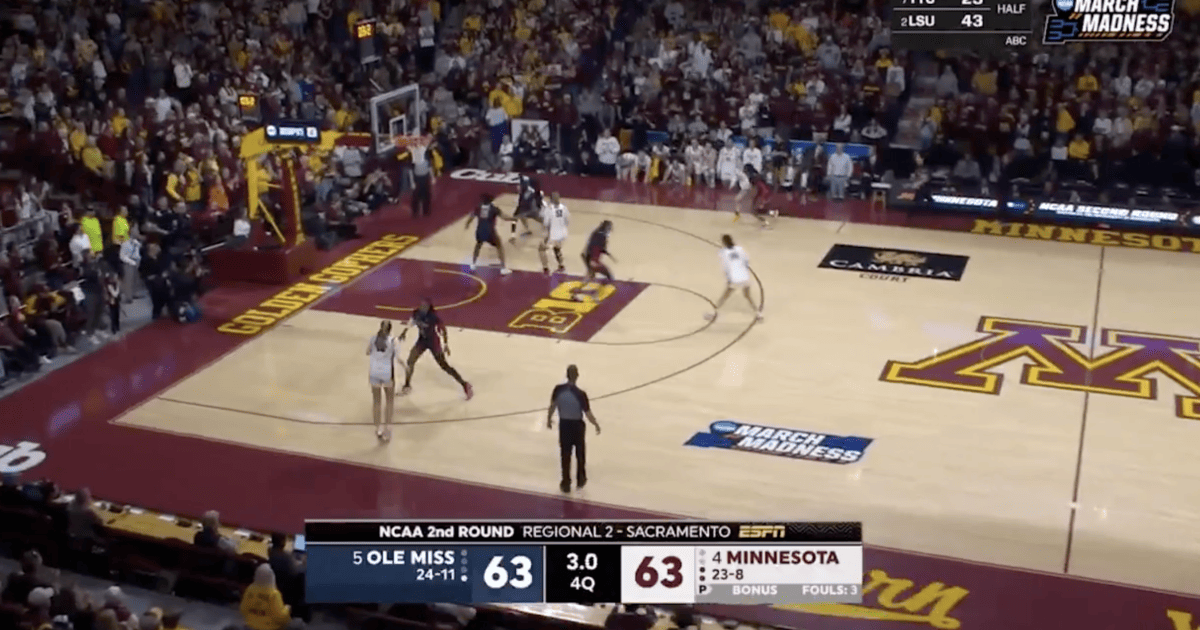
The game itself was a March Madness classic. Minnesota, playing on their home floor, staged a furious fourth-quarter comeback, outscoring Ole Miss by 10 points to snatch the win. The contest was tied at 63-63 with a mere 3.5 seconds remaining when Minnesota called a timeout to set up a final play. The tension was palpable—until the ESPN commentary broke it with a head-scratching suggestion.
Veteran analyst Andrea Lloyd, a Women's Basketball Hall of Famer, took the microphone and immediately put viewers in a state of confusion. She stated the clock was "a problem" for Ole Miss, a puzzling assessment given the tied score. The confusion deepened when Lloyd advised that the Rebels should attempt a steal and then intentionally foul a Minnesota player.
"Lloyd went on to say that Ole Miss would go for the quick steal before having to foul, then spouted out the free-throw shooting percentage of Minnesota players on the floor that the Rebels may want to put on the line," one outlet reported. For anyone understanding basic basketball strategy, the suggestion was baffling. Fouling while tied would have gifted Minnesota free throws to potentially win the game, a fundamental error in late-game management.
Fan Fury Erupts Online
The reaction from the college basketball community was swift and merciless. Social media and sports forums lit up with criticism directed at the broadcast team. Fans expressed a mix of disbelief and secondhand embarrassment at the commentary gaffe.
"That was ridiculous. And she kept going," one frustrated viewer wrote, capturing the sentiment of many who felt the mistake was compounded by the analyst doubling down. Others were less verbose but equally damning, with comments like "Embarrassment" and "Yikes, man" summing up the collective cringe. The blunder was a stark reminder of how broadcast missteps can overshadow the on-court drama, especially during the high-stakes pressure of March Madness.
This incident adds to a tournament that has already seen its share of dramatic sideline and broadcast moments, from fiery coaching exchanges to debates about fan behavior. It also raises questions about preparation and clarity in the broadcast booth during the tournament's most pressurized seconds.
A Spotlight on Broadcast Standards
While players and coaches are dissected for every decision under the tournament microscope, this event turns that spotlight squarely onto the broadcasters themselves. Lloyd, despite her esteemed playing career and Hall of Fame status, found that expertise doesn't always translate flawlessly to the rapid-fire analysis required in live television. The mistake was particularly noticeable given the otherwise high standard of ESPN's women's tournament coverage, which has rightfully garnered praise for its depth and visibility.
As the tournament progresses toward the Sweet 16 and beyond, all eyes will be on the court. But many ears will now be paying closer attention to the commentary, hoping for analysis that matches the brilliance of the play. This incident serves as a reminder that in the single-elimination chaos of March, no one is immune to a misstep—not even the voices describing the action.
For ESPN, the hope will be that this serves as an isolated incident. The network's predictive models, like the BPI that shakes up Final Four forecasts, can handle complex calculations, but in the heat of a live moment, human error remains a factor. Fans tuning in for the remainder of the tournament will be watching, and listening, with a more critical ear, expecting the broadcast to enhance the drama, not distract from it.