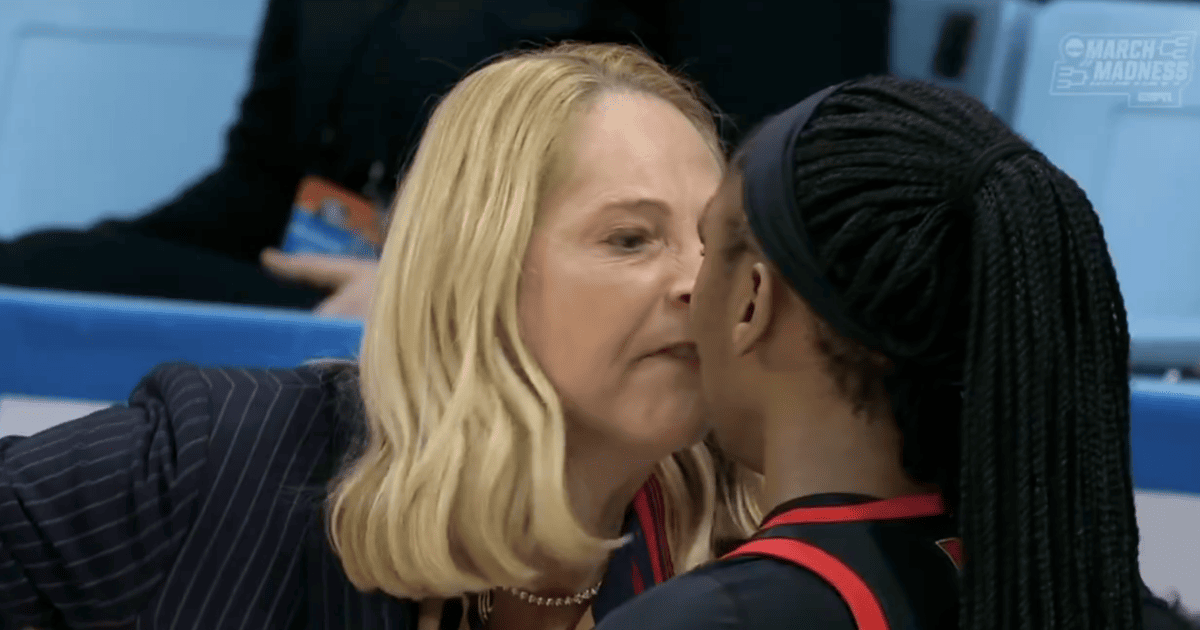
In the heat of March Madness, where emotions run as high as the stakes, a sideline exchange between Maryland coach Brenda Frese and guard Oluchi Okananwa has ignited a conversation about coaching passion. The moment, which saw Frese delivering an intense, fiery pep talk, quickly captured the internet's attention, amassing millions of views. Now, ESPN college football analyst Kirk Herbstreit has stepped into the fray, offering a full-throated defense of the veteran coach's methods.
A Viral Moment of Tough Love
During Maryland's hard-fought 74-66 second-round NCAA Tournament loss to UNC, cameras caught Frese in a passionate sideline exchange with her standout guard, Oluchi Okananwa. The clip, which spread like wildfire across social media, showed the longtime Terrapins coach—a national champion in 2006—emphatically coaching up her player. Frese appeared to be telling Okananwa, "I need you to lock in and stop being distracted. I BELIEVE in you but YOU'VE got to want this moment. This isn't my story alright?"
While some viewers unfamiliar with high-level sports intensity might have misinterpreted the exchange, the reaction from those within the game told a different story. For more context on what was actually said in that heated moment, a lip reader's analysis confirmed Frese's empowering message of belief and accountability.
Herbstreit's Unwavering Support
Enter Kirk Herbstreit. The respected ESPN analyst, known for his insightful football commentary, took to social media to weigh in on the basketball drama. His review was succinct and powerful: "AWESOME." This public endorsement from a prominent sports media figure served as a significant validation of Frese's coaching style, framing the moment not as an outburst, but as exemplary leadership.
Herbstreit's defense highlights a recognition of the intense, player-coach dynamics that are often essential in high-pressure tournament environments. His comment suggests he saw beyond the surface-level intensity to the core of what Frese was doing: demanding excellence and fighting for her team's success. This kind of passionate coaching isn't unique to the court; it echoes debates seen across sports, like when Paige Spiranac defended an LPGA star's personal expression, reminding fans that competitive fire comes in many forms.
The Player's Perspective: 'I Love to Be Coached Hard'
Perhaps the most important voice in the conversation was that of Oluchi Okananwa herself. The Maryland guard immediately defended her coach, providing crucial context that social media clips often lack. "I love to be coached hard, and that's what she does with me every single day," Okananwa stated. This player-coach rapport is fundamental, indicating that what appeared as an "outburst" to outsiders was, in reality, a standard and welcomed part of their competitive relationship.
Okananwa's response underscores a truth in athletics: the best players often crave and thrive under demanding coaching. It's a dynamic built on trust and a shared desire to win. The moment, while marking the end of Maryland's tournament run, also defined their season's spirit. For a deeper look at how this sideline fire symbolized their postseason journey, explore how Frese's fiery moment defined Maryland's tournament exit.
Broader Tournament Conversations
Frese's viral moment and Herbstreit's defense arrive amidst a tournament filled with passionate storylines. From debates over fan behavior to discussions about game scheduling, March Madness always sparks conversation. For instance, the intensity in the stands has been a topic itself, similar to the discussions around Nebraska's boisterous fans sparking an NCAA Tournament debate.
Ultimately, the support from both Herbstreit and her own player paints a clear picture: Brenda Frese's passion is not a sideline spectacle, but a coaching hallmark. In the pressure cooker of the NCAA Tournament, where seasons end in an instant, such moments of raw, demanding leadership are not just common—they're often what players remember and respect most long after the final buzzer sounds.