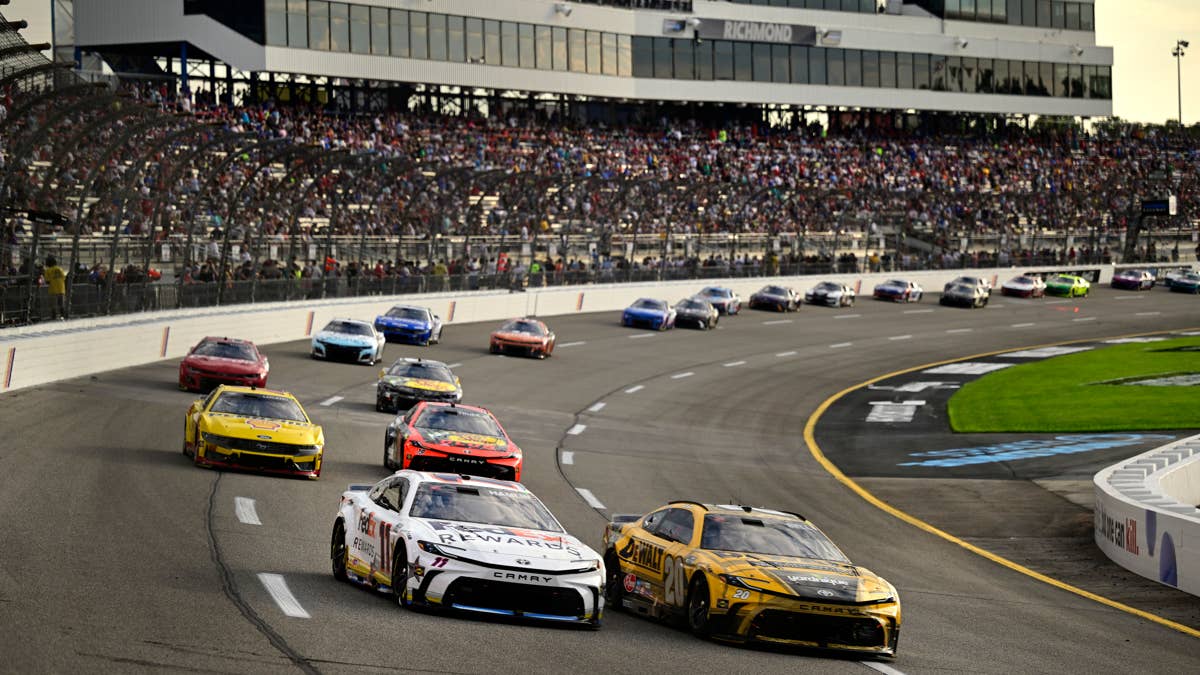
The roar of engines at Bristol Motor Speedway was met with an unsettling silence from the stands during the Food City 500, where vast swaths of empty seats painted a concerning picture for NASCAR. The iconic short track, once a guaranteed sell-out and the heartbeat of stock car racing's core audience, now stands as the focal point of a heated debate: is NASCAR's historic bond with its Southern roots unraveling?
A Stinging Accusation from the Past
The visual evidence prompted a blistering assessment from former Cup Series driver Jeremy Mayfield. In a candid social media post, Mayfield contrasted current scenes with packed grandstands from his racing era, delivering a harsh verdict. "If the 'World's Fastest Half Mile' can't out draw a Sunday at Augusta, then NASCAR has officially lost the south," he declared, pointing to the competition from the Masters golf tournament. He described the scene for Ty Gibbs's first career win as resembling "a COVID era race" and questioned whether the legendary colosseum had become a "graveyard."
This critique cuts to the core of NASCAR's identity. For decades, the sport's cultural and geographical home was the American South, where weekend races were major community events. Mayfield's comments suggest that foundation is now cracking, a sentiment that has found a loud echo across fan forums and social media platforms.
The Fanbase Sounds Off
NASCAR's passionate followers are deeply engaged in diagnosing the problem. The discussion points are varied and complex. Many point to a perceived shift in the driver lineup, noting a lack of the outsized, legendary personalities that dominated the sport's peak popularity eras. Others cite specific changes to Bristol itself, like the transition from its former concrete surface, as a turn-off for traditionalists. The scheduling of the spring race on a Sunday afternoon, directly against the final round of the Masters, was widely panned as a strategic misstep. As detailed in our related report, Bristol's Bleachers Tell a Troubling Tale, the fan reaction to the visible gaps has been immediate and visceral.
"I'm stunned," wrote one fan from inside the speedway, capturing the shock many felt. Others argued the night race traditionally draws better, but conceded the spring event's weakness appeared more pronounced than ever. The debate extends beyond Bristol, touching on broader concerns about the Next Gen car's racing product and the sport's overall direction. This internal fan reckoning comes amid other structural worries, such as those explored in NASCAR's 2026 TV Ratings Spark Alarm.
More Than Just an Off Weekend
While a single race does not define a season, the Bristol turnout is being viewed as a symptom of a larger trend. It follows earlier criticism of crowd sizes this season and adds fuel to the narrative of a sport grappling with its place in a crowded modern sports landscape. The challenge isn't unique to NASCAR—other major events, like the upcoming NFL Draft in Pittsburgh, also face intense scrutiny over fan engagement, as recent hotel data suggests.
However, for NASCAR, the issue feels particularly existential because it strikes at the sport's historic home-field advantage. The empty seats at a cathedral like Bristol are a powerful symbol. The question now is whether this is a temporary dip or a sign of a deeper, more permanent shift. Can new stars, different scheduling, or competition adjustments re-energize the core audience? Or has the sport's cultural footprint fundamentally changed?
The conversation Mayfield ignited is unlikely to fade quietly. It has forced a moment of introspection for the entire NASCAR community. As the series moves forward, all eyes will be on the grandstands, not just for the racing on the track, but for the clearest signal of whether the sport can reclaim its lost momentum and reconnect with the region that forged its legacy.