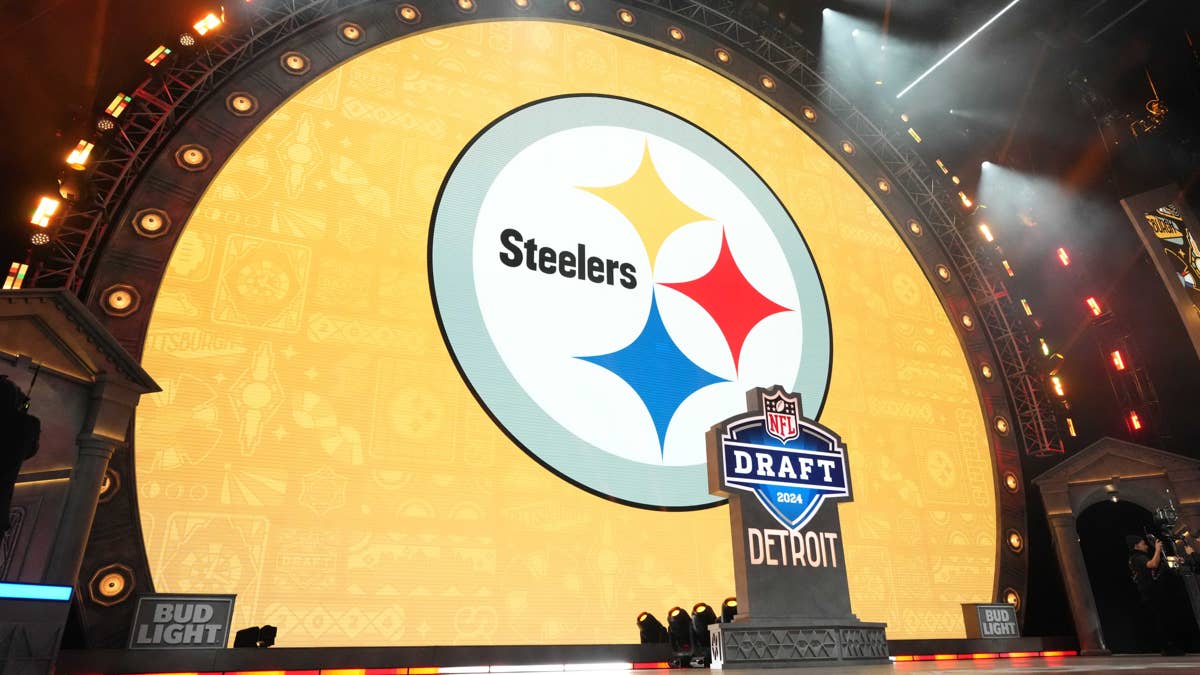
The NFL Draft is the league's undisputed offseason crown jewel, a traveling spectacle that transforms host cities into gridiron carnivals. As Pittsburgh prepares to welcome the event for the first time in 2026, the hype machine is in overdrive. But a peek behind the curtain at hotel booking data reveals a potential plot twist: the projected tidal wave of fans might be more of a steady stream.
Despite official city estimates forecasting a staggering 500,000 to 800,000 attendees over the three-day weekend, recent reports from KDKA in Pittsburgh paint a different picture. As of last Saturday, a surprising 40% of the city's hotel rooms remained unbooked for draft weekend. This 60% occupancy rate for the city's 19,000 rooms has analysts, including ProFootballTalk's Mike Florio, suggesting daily attendance may land closer to 100,000-200,000—a significant gap from the city's blockbuster projections.

The Price of Admission
So, where are all the fans? The debate is raging online, with NFL enthusiasts pointing fingers at a likely culprit: sky-high hotel prices. "Could have something to do with rooms being $1000+ per night…" one fan quipped on social media, a sentiment echoed by many who argue that "greedy hotels" are pricing out the average supporter. Others are opting for a simpler plan: "$1100 a night … imma stay home and fight a bit of traffic each day."
Some defenders of the projections counter that the data is flawed, arguing that focusing on city-wide occupancy misses the mark. They claim rooms in the immediate downtown radius are largely sold out, and that many attendees will be locals who don't need a hotel. However, the sheer volume of available rooms city-wide this close to a supposedly landmark event is raising eyebrows across the sports world.
More Than Just a Numbers Game
This isn't just about bragging rights for Pittsburgh. The NFL Draft has evolved into a massive economic and cultural benchmark for host cities. Recent successes in Detroit, Nashville, and Philadelphia have set a high bar, creating a must-see, must-be-seen-at event. If Pittsburgh's turnout underwhelms, it could have repercussions beyond a single weekend.
The league meticulously tracks the success of these events, and a notable shortfall could influence future decisions. The NFL might think twice before awarding other high-profile events to the Steel City if the fan turnout doesn't match the fervor seen elsewhere. It places immense pressure on local organizers to deliver an atmosphere that lives up to the draft's growing legacy.
This scrutiny comes at a time when other draft-related stories are capturing headlines, from Mel Kiper's final mock draft predicting a Buckeye-heavy top 10, to the ongoing mystery surrounding Troy Aikman's role in the Dolphins' draft room. The business of the draft is as compelling as the picks themselves.
The situation also highlights a broader tension in modern sports between soaring event costs and fan accessibility. As seen in controversies around ticket prices for major games, leagues and host cities walk a tightrope between maximizing revenue and ensuring events remain accessible to the passionate fans who create the electric atmosphere. The Pittsburgh draft will be a real-time case study.
While the WNBA Draft recently demonstrated massive growth in TV viewership, the NFL's challenge is translating that at-home interest into in-person spectacle. The final week before the 2026 event will be critical. A last-minute booking surge could still validate Pittsburgh's optimism, but current data suggests the city and the NFL might need to temper their expectations for a record-breaking crowd.
One thing is certain: all eyes will be on Pittsburgh next week, not just for the future stars walking across the stage, but to see if the city itself can deliver a draft experience worthy of the NFL's biggest offseason show.