The roar of engines isn't translating to roaring ratings for NASCAR in 2026. Fresh data from Nielsen is painting a concerning picture for the stock car racing giant, suggesting a significant viewership challenge that could threaten the sport's long-term broadcast health.
Bristol Hits a Bump in the Road
The latest red flag came from Bristol Motor Speedway. Last Sunday's spring race on FS1 averaged just 1.945 million viewers, a 5% drop from the previous year. This dismal figure marks the smallest audience ever recorded for a Bristol spring event, signaling that even NASCAR's most iconic short-track showdowns are struggling to capture attention.
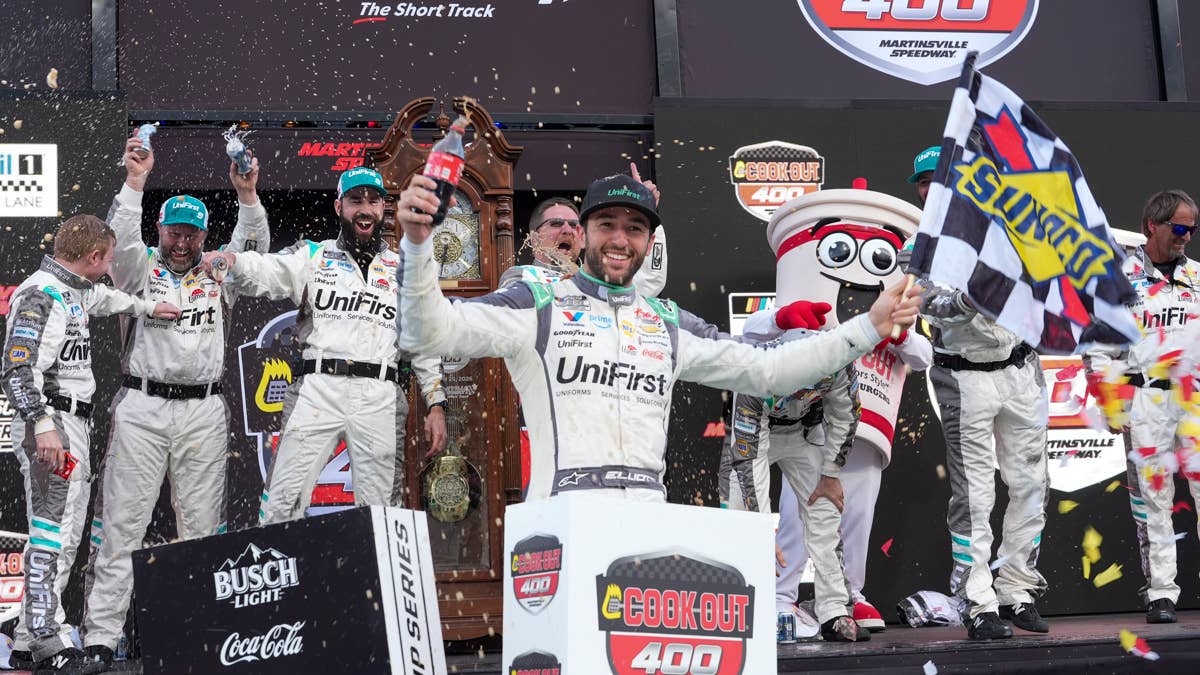
This Bristol blip isn't an isolated incident. A deeper dive into the season's numbers reveals a troubling trend. Out of all Cup Series races so far, only two have managed to grow their audience compared to 2025: the season-opening Daytona 500, which saw an 11% surge, and Phoenix, which eked out a 1% increase. Notably, Daytona aired exclusively on broadcast giant FOX, a detail that's becoming central to the diagnosis of NASCAR's ratings ailment.
The Fragmentation Problem
Many experts point directly to NASCAR's landmark media rights deal as a potential culprit. The agreement, which runs through 2031, splits coverage across four partners: FOX Sports, NBC Sports, Amazon's Prime Video, and TNT Sports. While designed to maximize revenue and reach fans on modern platforms, the strategy may be having an unintended consequence.
"Our goal was to secure long-term stability with an optimized mix of distribution platforms and innovative partners that would allow us to grow the sport while delivering our product to fans wherever they are," NASCAR stated when the deal was announced. They emphasized the "staying power of our sport" and the "consistent, large-scale audience it delivers."
However, the reality for fans is a complicated patchwork. To watch every single Cup Series race this season, a viewer needs access to both traditional cable and streaming services. With only five races slated for the broad reach of broadcast FOX, the supply of easily accessible content might not be meeting fan demand. This stands in stark contrast to other sports successes; for instance, the Masters 2026 shattered a 13-year TV ratings record, proving massive audiences are still there for major, centralized sporting events.
Contrasting Stories and Fan Frustration
The situation becomes more puzzling when looking at NASCAR's own ecosystem. The Xfinity Series, NASCAR's second-tier circuit, saw viewership skyrocket by 22% in 2025. Analysts credit this surge to a simple, fan-friendly strategy: every race aired on The CW, a network available in nearly every American home with a television. The simplicity of finding the races clearly paid dividends.
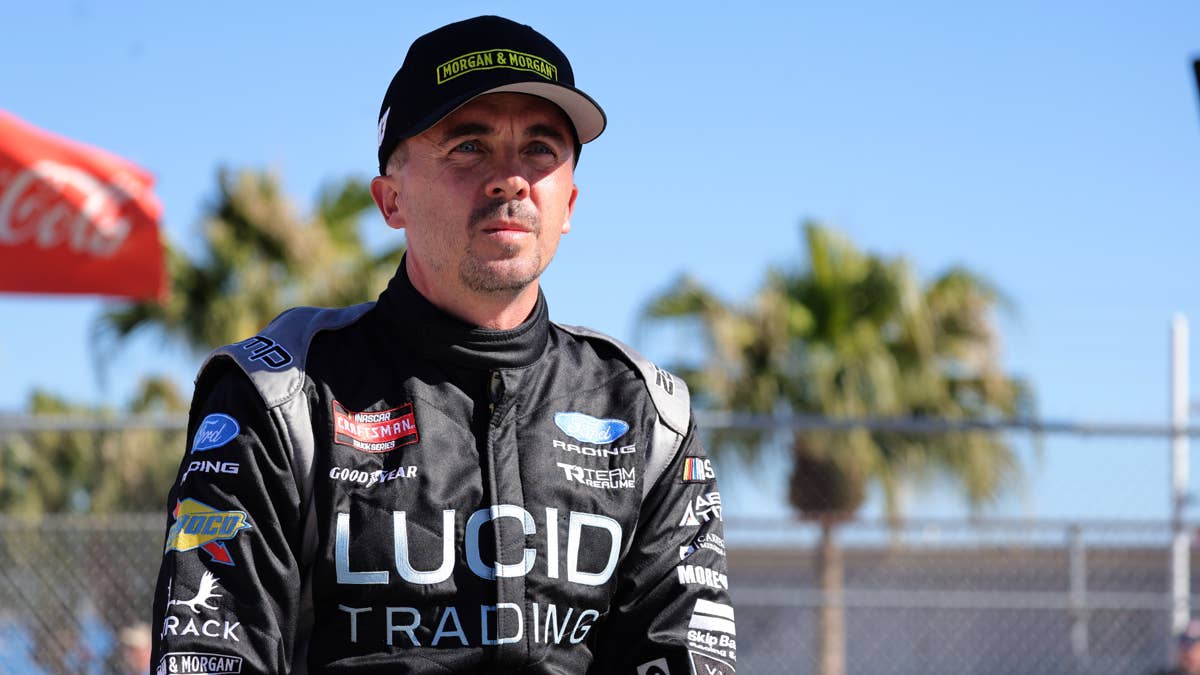
This fragmentation issue is compounding other visible signs of strain within the sport. Reports of sparse crowds, like those highlighted in our story on Bristol's troublingly empty bleachers, suggest the engagement challenge isn't limited to the broadcast booth. While social media can still ignite around personality-driven moments—such as Frankie Muniz's nostalgic truck design—sustaining weekly television audiences requires consistency and ease of access.
NASCAR finds itself at a crossroads. The long-term financial security of its media deal is undeniable, but the short-term viewer erosion poses a real threat to the sport's cultural footprint. As other leagues like the WNBA see booms—their draft recently posted massive rating surges on ESPN—the pressure is on for NASCAR to solve its distribution puzzle. The remainder of the 2026 season will be a critical test of whether fans are willing to chase their favorite sport across multiple platforms, or if the convenience of the remote control will lead them to tune out for good.