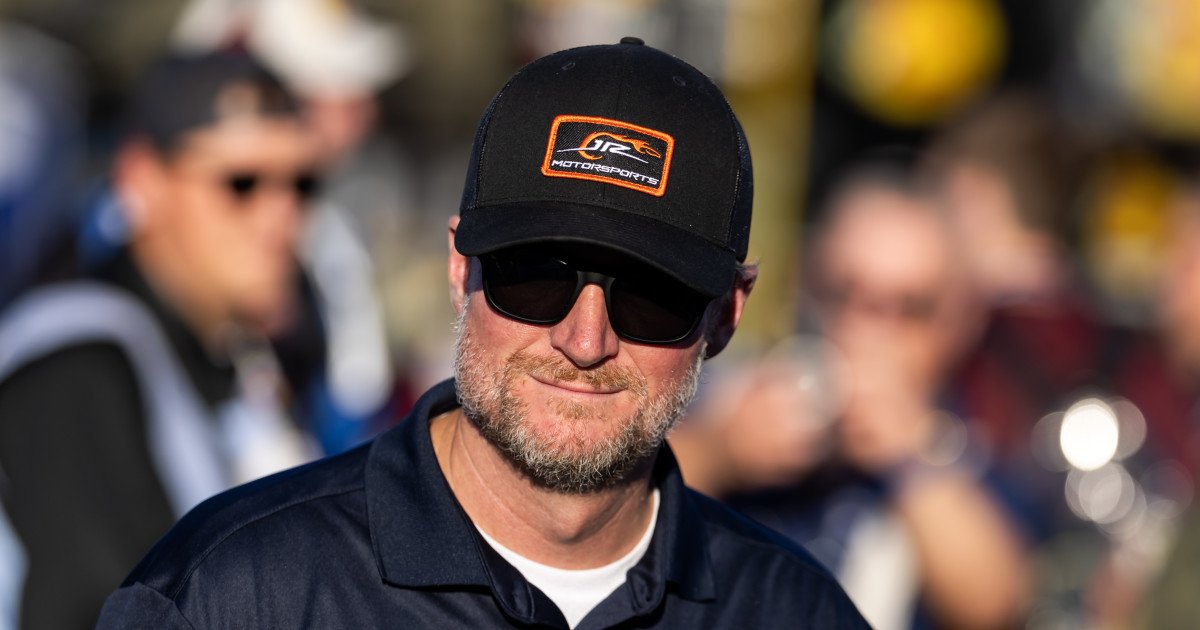
Dale Earnhardt Jr. isn't just whispering about one of NASCAR's most contentious style debates—he's shouting it from the digital rooftops. On the latest episode of his wildly popular Dale Jr. Download podcast, the Hall of Famer and broadcasting icon took direct aim at the sport's regulations governing where car numbers can be placed, delivering a passionate plea for creative freedom.
"Why the Restrictions?": Earnhardt Jr. Champions Design Freedom
Earnhardt Jr. made his stance crystal clear: NASCAR's quest for "consistency" with number placement has gone too far. He argued that rigid rules are stifling the visual identity of the Next Gen cars and preventing teams from crafting iconic paint schemes. "Why are we shackling ourselves, tethering ourselves to some—for brand consistency?" Earnhardt questioned with palpable frustration. "I don't know, what are we talking about?"
His comments zeroed in on a specific moment from the recent Darlington race weekend. He pointed to the overwhelmingly positive fan reaction when some teams experimented with moving numbers rearward on their doors for throwback schemes. "I thought, 'Man, if they move the number back for one race and everyone sees how good it looks,' it's just going to open up a big can of worms," he said, suggesting that a taste of freedom would make the current restrictions impossible to justify.
A Personal and Powerful Tribute Earns Top Marks
To illustrate his point, Earnhardt Jr. highlighted a specific car that he believes knocked it out of the park: Carson Hocevar's Darlington tribute scheme honoring Dale Earnhardt Sr.'s legendary Wrangler ride. The design, which featured a rearward-placed number, struck a deep chord with the Earnhardt family legacy.
"I think a lot of people would say that Hocevar's group knocked it out of the park," Earnhardt Jr. stated, before adding with a touch of personal bias, "That's my favorite design of the Wrangler car that he ever raced, for sure." His praise underscores how number placement isn't just a minor detail—it's integral to a scheme's balance, heritage, and emotional impact, a sentiment echoed in other sports debates like the recent golf dress code discussion.
Darlington Delivers Drama On and Off the Track
The number debate unfolded against the backdrop of a thrilling race weekend at the historic Darlington Raceway. In the Cup Series' Goodyear 400, Tyler Reddick emerged victorious, capturing his fourth win of the 2026 season. Reddick overcame early electrical issues after starting from the pole, holding off Brad Keselowski and Ryan Blaney in a fierce battle on the challenging egg-shaped oval. The win solidifies Reddick as a major championship contender as the season hits its stride.
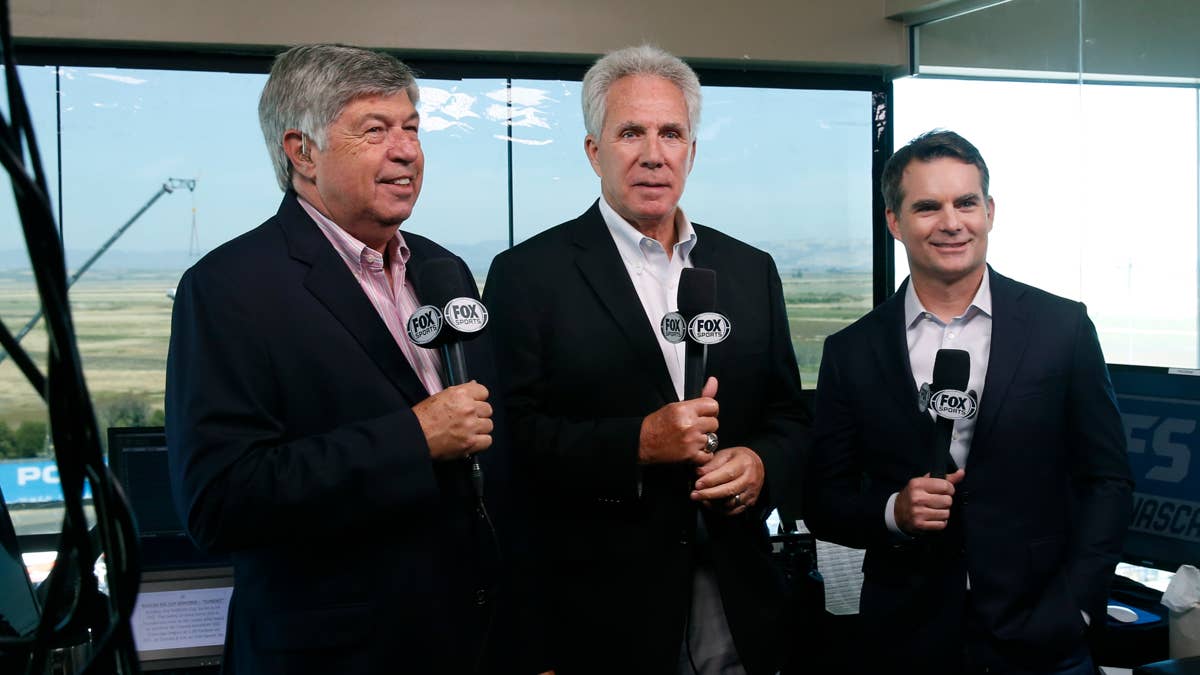
The support series also provided plenty of action. Justin Allgaier took the checkered flag in the NASCAR Xfinity Series event, while Corey Heim dominated to win the Craftsman Truck Series race at the track "Too Tough to Tame." The weekend was a reminder of NASCAR's unique blend of high-speed competition and the enduring importance of its visual identity and history, a topic close to the heart of broadcasters like Mike Joy.
A Debate That's More Than Skin Deep
Earnhardt Jr.'s critique taps into a larger conversation about tradition versus evolution in NASCAR. For teams and sponsors, a car's design is a critical marketing canvas. Strict placement rules can limit how logos are integrated and how a scheme tells a story. By speaking out, Earnhardt Jr. is amplifying a concern shared by many designers and fans who believe aesthetics matter. It's a debate about identity, similar to how proposed rule changes spark heated debates in the NFL.
As one of the sport's most influential voices, Earnhardt Jr.'s words carry significant weight. His call to loosen the reins isn't about chaos; it's about trusting teams and artists to enhance the sport's visual appeal. Whether NASCAR's officials are listening remains to be seen, but one thing is certain: when Dale Jr. has something to get off his chest, the entire racing world pays attention. This isn't his first time tackling a hot-button issue, having previously had to laugh off fabricated social media drama, but his stance on car design comes from a genuine place of passion for NASCAR's future.