As the WNBA's opening tip-off approaches, a storm is brewing behind the scenes that could define the league's future. While fans anticipate another thrilling season of elite basketball, players and league officials are locked in high-stakes negotiations over a new collective bargaining agreement—and one prominent voice is sounding a clear warning siren.
Beyond the Salary Bump
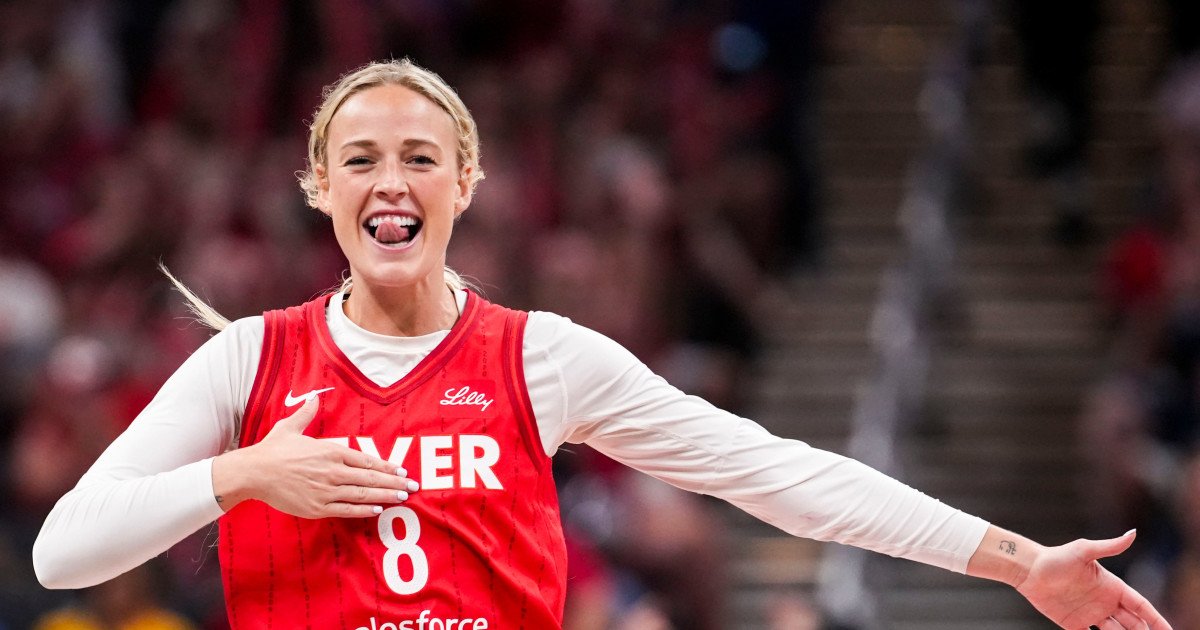
Indiana Fever guard Sophie Cunningham, speaking candidly on her "Show Me Something" podcast, delivered a blunt assessment of the ongoing talks. She pushed back against the simplistic outside narrative that players should simply accept a massive proposed salary increase. "I think a lot of people who are on the outside are like, 'Just sign it. Your salary increase is four or five times higher,'" Cunningham noted. "But that's not it at all."

The league's current offer represents a seismic shift in player compensation. Under the proposed structure, maximum salaries would skyrocket from approximately $249,000 to over $1.3 million, while average salaries would leap from around $120,000 to $540,000. For rookies entering the league on roughly $70,000, the change would be transformative.
The Real Battle: Revenue Sharing
Yet, Cunningham emphasized that the fight extends far beyond base pay. The central, unresolved conflict revolves around revenue sharing—specifically, the players' share of the league's growing financial pie. "They came back and zero—nothing happened with the revenue share," Cunningham revealed. "And that is the whole thing that we're fighting for."
This principle represents the core of the players' collective stance. They are seeking a more equitable distribution of the WNBA's booming revenues, which have surged alongside unprecedented viewership and sponsorship deals. The players' union views this as a non-negotiable cornerstone for long-term stability and recognition of their role in driving the league's success.
Cunningham didn't mince words about the potential consequences if this impasse continues. Her prediction for the negotiation process was stark: "It's going to be legit a (expletive) show." This ominous forecast underscores the growing tension as the clock ticks toward the scheduled start of the season.
A Unified Front
Despite the complications and daunting road ahead, Cunningham was adamant about one thing: player solidarity. She forcefully countered any speculation about division within the ranks. "I'm telling you, we are as unified as it gets right now," she declared.
This unity forms the foundation of the players' bargaining position. Cunningham made it clear that the athletes are prepared to stand firm, even if it means disrupting the upcoming season. "And if we don't have a season, that says a lot more about the WNBA league than us because we're ready," she stated. "We are all training. We are all playing. We are ready to go. But we are not going to play for less than what we deserve."
The message is unequivocal. While the players are physically and professionally prepared to compete, their participation is contingent on securing an agreement that reflects their value and ensures a fair share of the league's prosperity. The ball is now in the league's court, and the next move could determine whether the WNBA enjoys a historic season or faces a historic standoff.