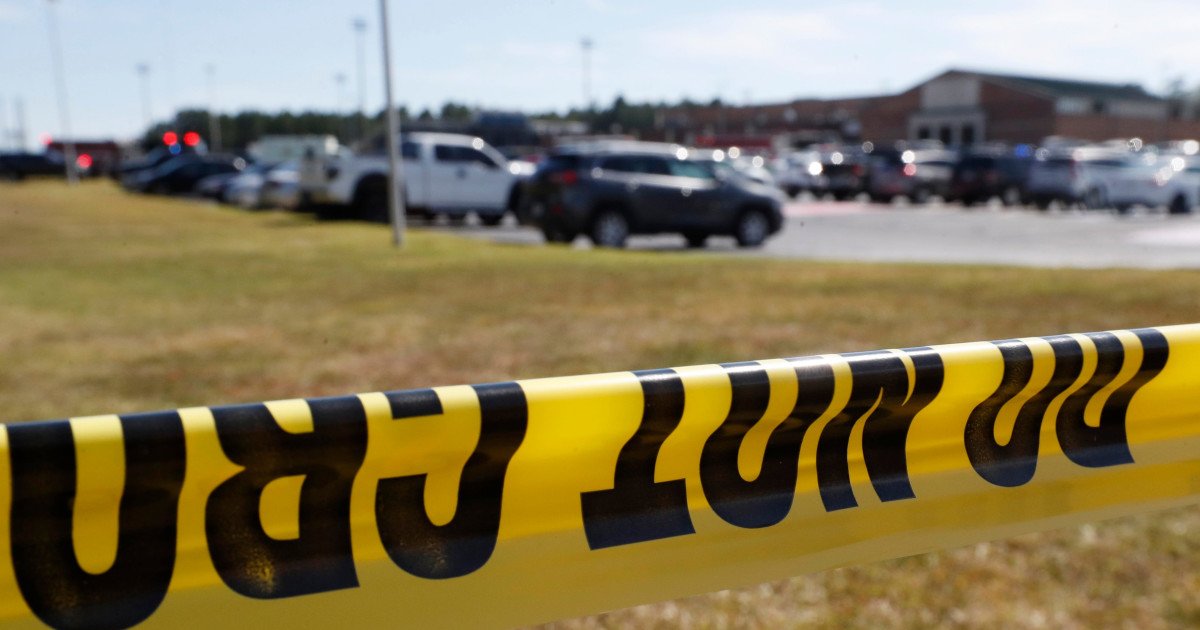
A federal court has delivered a decisive ruling in one of the most haunting and persistent tragedies in recent high school sports history. More than a decade after 17-year-old Kendrick Johnson was found dead inside a rolled-up wrestling mat at Lowndes County High School in Georgia, a judge has dismissed his family's monumental $10 billion lawsuit, closing another chapter in their agonizing quest for answers.
A Decade of Doubt and Determination
Since that January day in 2013, Kendrick Johnson's parents, Jacquelyn and Kenneth Johnson, have maintained an unwavering belief that their son's death was not the accident officially ruled by investigators. Their relentless pursuit of justice led them to file a federal lawsuit in 2023, alleging a widespread "conspiracy" to withhold public records and violate their civil rights in what they call a murder cover-up.
This week, that legal battle hit a formidable wall. U.S. District Judge Sarah Geraghty officially dismissed the case, writing that while the court recognized "inconsistencies between the various official reports," after careful review, "Plaintiffs' claims cannot proceed." The ruling represents a significant legal setback for the Johnsons, who have become symbols of parental perseverance in the face of bureaucratic resistance.
A Family's Fierce Response
The Johnson family responded to the dismissal with defiance, immediately filing a new lawsuit against the U.S. District Court for the Northern District of Georgia itself. Kenneth Johnson issued a fiery statement that left no room for ambiguity about their continued fight.
"If the message is not clear enough, let me make it clear as crystal right now," Johnson declared. "Anyone, regardless of who you are, what position of power and influence you may hold, if you choose to join the murder cover-up scandal of my son, Kendrick, you do so at your own peril!"
The family is now seeking a jury trial and the staggering $10 billion in damages through this new legal avenue, demonstrating their refusal to accept the official narrative that their son tragically became stuck while attempting to retrieve a shoe and suffocated.
A Community and a Nation Watching
The case has transcended local headlines, becoming a national point of discussion about transparency, racial justice, and how institutions handle student deaths. The Johnsons' allegations of evidence tampering and withheld information have resonated with communities who have experienced similar frustrations when seeking answers after tragedy.
This story echoes the profound grief seen in other sudden losses that shake the sports community, such as when the college sports world unites in grief after the tragic loss of young athletes. It also reflects the desperate search for closure that follows unexpected deaths, a theme present when a Super Bowl party ends in tragedy with a missing man found deceased.
The emotional toll of losing a young person connected to school athletics creates ripples that last for years, as seen when the college sports world mourns the tragic loss of JMU student Lorenzo Gibbs. These stories remind us that behind every headline is a family navigating unimaginable pain.
What Comes Next?
With the original lawsuit dismissed and a new one filed against the court itself, the legal saga surrounding Kendrick Johnson's death enters uncharted territory. The family's legal team faces an uphill battle, but their public resolve suggests this week's ruling is far from the end of their journey.
The case continues to raise difficult questions about investigative processes, parental access to information, and the long shadows cast by unresolved deaths in school settings. As the Johnsons prepare for their next legal confrontation, the sports world and beyond watches, reminded that some games are played not on fields or courts, but in courtrooms where the stakes are the highest imaginable: truth, justice, and the memory of a son.