The College Football Playoff is entering a new era—or at least, that's what its branding team wants you to think. As the postseason spectacle prepares for its 13th season, officials have pulled back the curtain on a refreshed logo system, promising a modernized look for the sport's premier event. But if you're squinting at your screen trying to spot the difference, you're not alone.
A Fresh Coat of 'Championship Gold'
On Tuesday, the CFP unveiled what it calls a "refreshed" visual identity. The changes are subtle: a new shimmering gold gradient officially dubbed "Championship Gold," slightly rounded corners on the iconic football logo, a thickened bracket stroke, and the formal integration of the "CFP" acronym into the primary mark. The organization also introduced a new primary font called 'Video' and developed unified graphics for the six major bowl games that host the playoff.
"Our refreshed logo system builds on the successes of our first 12 years and positions the brand for continued growth moving forward," said CFP executive director Rich Clark in a statement. He emphasized that the CFP represents "the pinnacle of college football," capturing the sport's excellence and fan passion.
Fan Reaction: 'Did Anything Actually Change?'
While the CFP presented the update as a significant brand evolution, the college football world responded with a collective shrug—and plenty of jokes. Across social media, fans mocked the minimal changes, suggesting the organization had been taken for a ride by expensive consultants.
"Some group of 24 year olds charged them $6 million dollars to make the font bold. Good for them," one user quipped. Another wrote, "Gotta respect the consulting firm who just robbed you of 250k." A third compared it to the Cleveland Browns' infamous helmet color tweak: "This is like when the Browns changed the shade of orange on their helmets. Had it not been announced, no one would’ve noticed."
The backlash highlights a common tension in sports branding: organizations invest heavily in subtle visual updates meant to signal progress, while fans often perceive them as unnecessary tinkering. It's a debate that extends beyond college football, as seen in recent discussions about the streaming future of Sunday Night Football or the NBA's controversial playoff blackout plans.
The Details Behind the Design
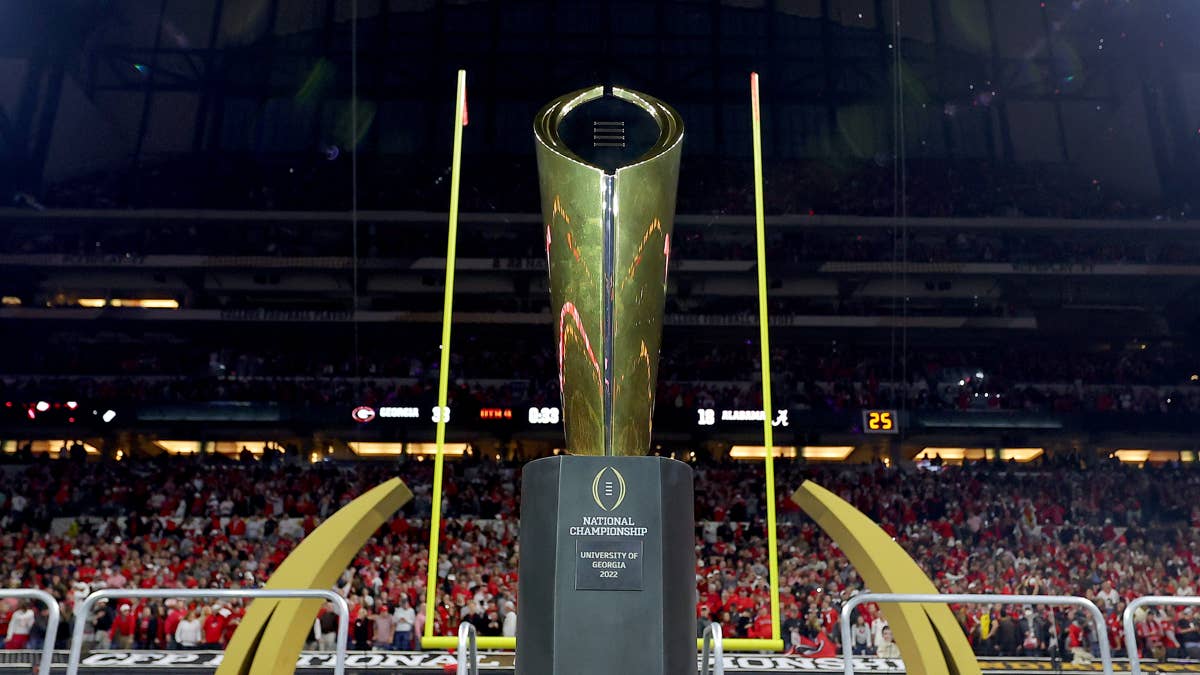
According to the CFP's official release, every adjustment was intentional. The rounded corners on the football laces are meant to "replicate the curvilinear nature of the overall mark." The thickened bracket strokes directly reference the shape of the national championship trophy. The new gold gradient is designed to enhance "prestige and visual impact."
Perhaps the most substantive change is the formal elevation of the "CFP" acronym to a primary brand element, joining the iconic football graphic. This move aligns with how fans and media already refer to the event and aims to create a "bold, unified visual identity." The new bowl game lock-ups are intended to deepen the connection between the historic games and the playoff they host.
Still, for many observers, the update feels more like a polish than a overhaul. In a sports landscape often rocked by real change—from dramatic playoff format shifts to heartbreaking tragedies affecting young athletes—a slightly rounder corner on a logo can feel inconsequential.
Money Well Spent?
The CFP did not disclose the cost of the redesign, but that didn't stop fans from speculating about a hefty price tag for what they see as marginal changes. The organization's leadership, however, appears satisfied. Clark's statement suggests the refresh is about future-proofing the brand as the playoff continues to evolve.
Whether fans notice the new "Championship Gold" on their screens this fall remains to be seen. But one thing is certain: the conversation around the logo has already generated more buzz than the design changes themselves. In the end, the CFP's true test won't be its logo's rounded corners, but whether the games on the field deliver the drama that has made the playoff a national obsession. After all, no font or gradient can substitute for the unforgettable moments that define college football's greatest stage.