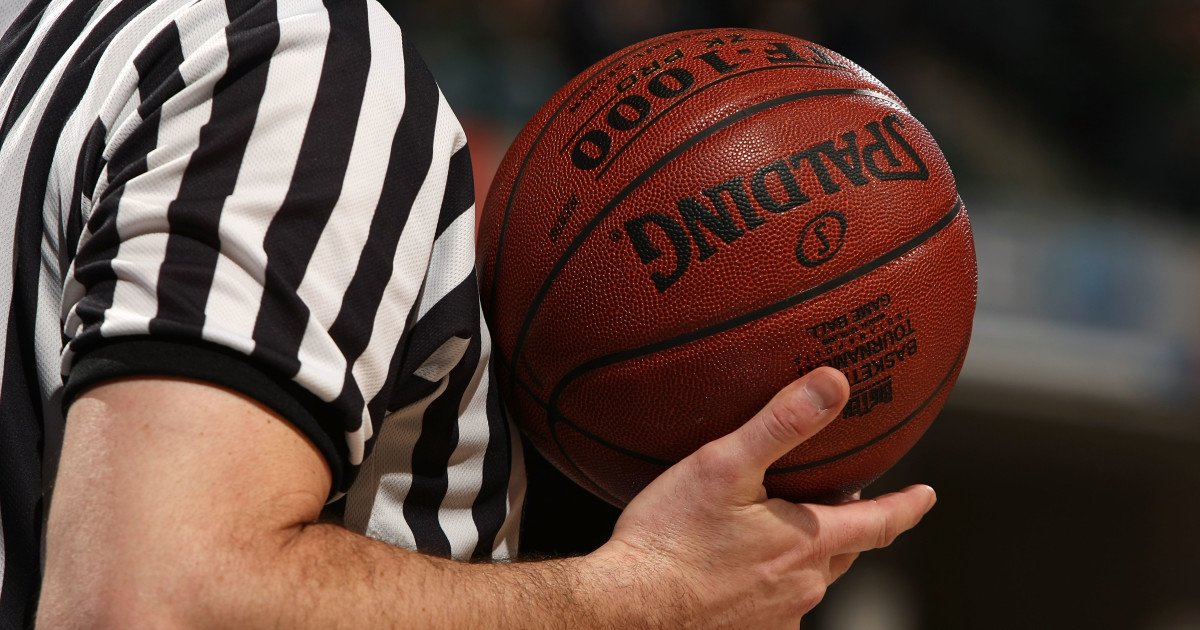
The stage was set for a classic underdog story in the 2026 Big Ten Men's Basketball Tournament championship. The No. 7 seed Purdue Boilermakers, battling to become one of the lowest seeds ever to claim the crown, held a late lead over the mighty No. 1 seed Michigan Wolverines. But instead of a celebration of grit, the game's final minutes were consumed by a firestorm of controversy, with accusations of rigged officiating threatening to overshadow the result.
A Championship Clouded by Controversial Calls
With roughly four minutes left on the clock Sunday, the tension wasn't just about the score. The spotlight had shifted squarely to the officials, as a series of non-calls against Purdue's big man, Oscar Cluff, ignited fury. Cluff, who finished with 17 points and four rebounds, played with four fouls in the critical closing stretch. Many observers, including prominent voices like analyst Sam Webb, argued vehemently that Cluff should have fouled out, having committed what they saw as multiple blatant infractions that went unwhistled.
"This is a joke!" Webb's explosive comment captured the mood of a growing segment of the basketball world. The sentiment quickly spread from press row to social media, where the discourse turned toxic. The word "rigged" began trending in real-time, attached to the Big Ten's premier event.
Social Media Erupts with Allegations
The court of public opinion delivered a swift and harsh verdict. Fans flooded platforms with outrage, pointing directly at the officiating crew. "This is a clownshow by the officials. Michigan was not allowed to compete. Terrible," wrote one fan, a sentiment echoed by hundreds. The accusations were severe and repeated: "Rigged," "Game is rigged," "Criminal reffing." Another comment, noting the perceived imbalance, stated, "Refs definitely favoring Purdue. Blatantly obvious and I'm a non biased fan just enjoy March madness." The consensus among critics was clear: they believed the integrity of the competition had been compromised, with Purdue being allowed undue physical latitude.
Some even pointed to Michigan's coach, Dusty May, suggesting the situation was so egregious that "Dusty May should be getting a Tech" for his restrained sideline behavior. The controversy cast a long shadow over what should have been a thrilling conclusion to the conference tournament, all unfolding live on CBS ahead of the network's Selection Sunday coverage.
The Lingering Stench of Doubt
Regardless of the final score, the damage to the game's narrative was done. If Michigan failed to complete a comeback, the storyline was pre-written: the Wolverines would be heading into the NCAA Tournament feeling robbed, their path hijacked by questionable whistles—or lack thereof. This kind of controversy is the nightmare scenario for any league, especially during the high-stakes, nationally televised conference championship. It raises uncomfortable questions about consistency and fairness at the worst possible moment.
The incident also serves as a stark reminder of the intense pressure surrounding these games. With the Selection Show looming immediately after the final buzzer, every possession is magnified, and every call is dissected by millions. While severe weather threatened other parts of the country with a widening tornado watch, the storm inside the arena was purely metaphorical, but no less intense.
Ultimately, the 2026 Big Ten Championship will be remembered for more than just a winner and a loser. It will be recalled as the game where officiating became the main character, where "rigged" became the defining word, and where the conference was left to answer for a controversy that stained its marquee event. The echoes of this day will likely reverberate long after the nets are cut down.