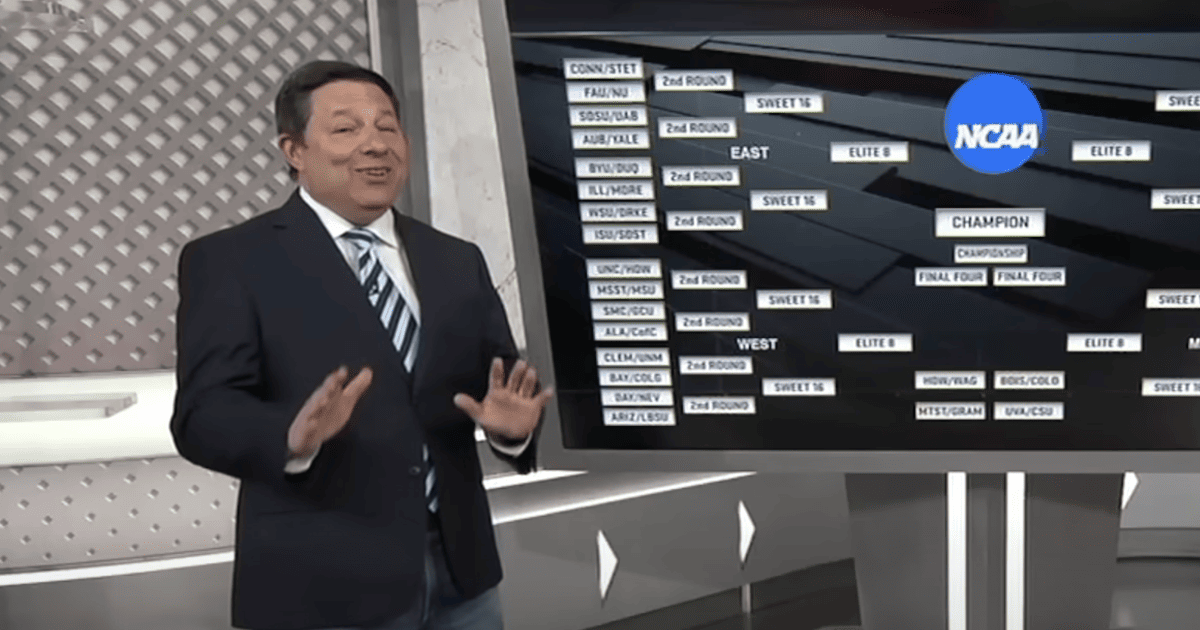
Every March, Joe Lunardi transforms from ESPN analyst to a central figure in college basketball's most dramatic weekend. But this Selection Sunday, the famed bracketologist found himself in the crosshairs of furious fans after an announcement that seemed to jump the gun.
The Premature Post
As the clock ticked past 5 p.m. ET on Sunday, with both the Big Ten and American Athletic Conference championship games still unfolding, Lunardi took to social media with a declaration that would ignite immediate controversy. He posted what he called his final 2026 NCAA Men's Basketball Tournament bracket, complete with projected seeding, and boldly stated his work was complete. "See you next year!" he signed off, as if the remaining games held no consequence for the selection process.
His bracket projected Duke, Arizona, Michigan, and Florida as the four No. 1 seeds, with Houston, UConn, Purdue, and Iowa State filling out the No. 2 line. Yet the timing of this reveal—before the final pieces of the championship puzzle were settled—left college basketball enthusiasts baffled and angry.
Social Media Erupts
The reaction across platforms like X (formerly Twitter) was swift and merciless. Fans couldn't comprehend how a professional bracketologist could consider his task finished while live games that could directly impact seeding and at-large bids were still in progress.
"See you next year before the Big Ten and American Conference tournaments are even finished. Job of a lifetime," one user wrote, dripping with sarcasm. Another chimed in, "Good job Joe! Games must be over!" clearly mocking the premature announcement.
The criticism grew more pointed. "Classic Lunardi switching teams when both teams didn't play since the last update," observed a fan, highlighting what some see as arbitrary adjustments. But the most biting question came from a follower who captured the collective frustration: "Games aren't over. How is this a real job?" The sentiment was echoed by others who simply labeled the move a "clown job."
This backlash comes during a Selection Sunday season already marked by change and fan discontent over broadcast decisions.
The Bracketologist's Defense
While fans rage, the reality is that bracketology has evolved into a legitimate, high-profile role that ESPN clearly values. Lunardi's projections, however early they may arrive, drive conversations, fuel debates, and generate significant engagement during March Madness. His analysis sets the stage for the official committee reveal, giving fans a framework to understand the real selections when they come.
The controversy also highlights the unique pressure of this time of year, where severe weather can even disrupt the sports calendar, as seen recently when a tornado watch halted Sunday sports in key regions. Yet for bracketologists, the show must go on—sometimes, apparently, ahead of schedule.
Whether this early call was a strategic miscalculation or simply business as usual for a prognosticator working on projections rather than final results, it has unquestionably stirred the pot. As the actual Selection Sunday committee finalizes its decisions behind closed doors, the court of public opinion has already rendered a verdict on one of the day's earliest—and most controversial—bracket reveals.