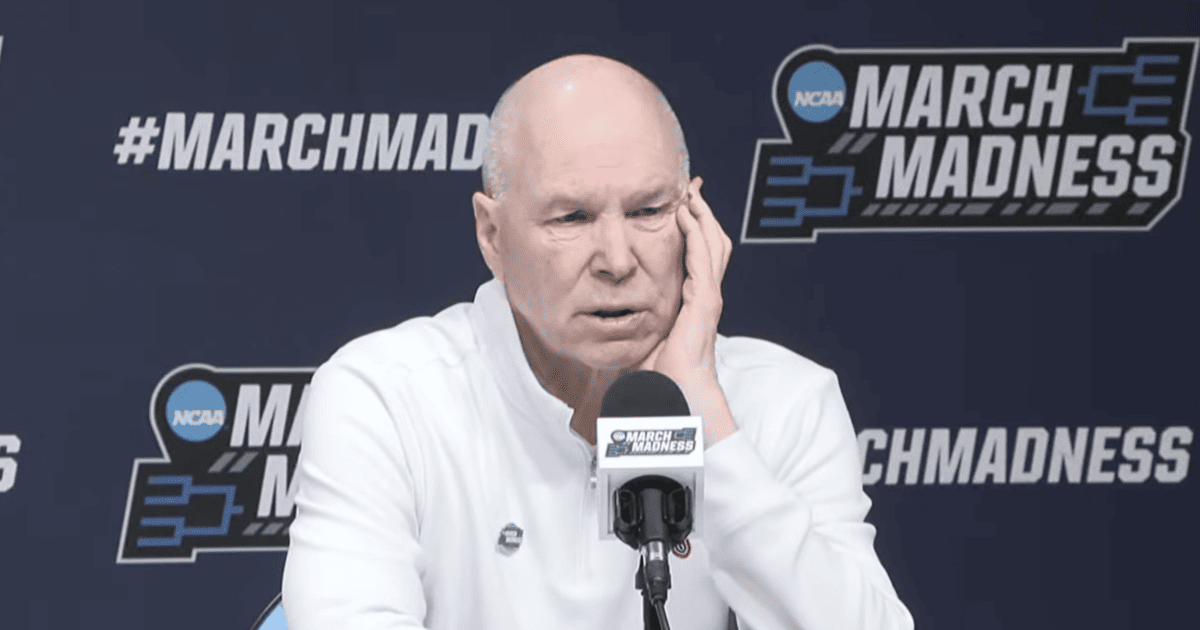
The NCAA Tournament is a pressure cooker where emotions run high, but one veteran coach's post-game comments have ignited a firestorm of criticism about leadership and accountability. After St. Mary's saw its season end with a 63-50 loss to Texas A&M in the opening round, head coach Randy Bennett took the podium and directed pointed criticism at his own roster, questioning their maturity and leadership in a public forum that has left many observers stunned.
A Season Ends, A Controversy Begins
The Gaels' tournament run was cut short in disappointing fashion, closing the book on what had been a strong campaign. The immediate aftermath, however, shifted focus from the scoreboard to the microphone. In response to questions about how illness might have affected his team's performance, Bennett pivoted to a broader critique. "I would say it's more contributed to the immaturity of our team. And we've been battling that all year," Bennett stated. He doubled down, adding, "Our leadership wasn't mature enough. Some of our—you know, you want some of your best players to be your leaders."
These remarks, made with players seated beside him, have sparked a fierce debate about a coach's responsibility in defeat. In an era where college athletes are compensated for their efforts, the optics of a seasoned coach publicly faulting his team's character following a tough loss struck many as particularly harsh.
A Veteran Voice Delivers a Scathing Verdict
The backlash was swift and came from a prominent voice in sports media. Former Sports Illustrated writer Jeff Pearlman unleashed a blistering critique, labeling the press conference "the worst coach press conference ever" in a viral TikTok video. Pearlman didn't hold back, accusing Bennett of repeatedly stabbing his players in the back. "Just stabbed his players one after another after another," Pearlman said. "Took no accountability whatsoever. Just blame them in front of the media with two of them sitting next to him."
Pearlman emphasized the expectation of decorum, especially from a coach of Bennett's tenure. "There's an element of class that's required, especially from a veteran coach who's been there for a long-(expletive) time," he asserted, capturing the sentiment of many who felt the coach's comments crossed a line. This incident echoes other recent tournament controversies, like the fallout from Florida's coach facing heat for his own post-game remarks.
The Broader Context of Tournament Pressure
Bennett, 63, is no novice; he has led the St. Mary's program since 2001. This experience makes his public approach to the loss all the more puzzling to critics who believe leadership in failure starts at the top. The episode raises difficult questions about managing young athletes in the high-stakes, emotionally charged environment of March Madness, where every word is amplified.
This controversy also feeds into larger narratives about this year's tournament, where fan excitement has sometimes been tempered by predictable outcomes and coaching decisions under the microscope. Some argue the pressure of the modern game, influenced by factors like NIL and heightened expectations, is creating tense moments that spill over into the public eye. Meanwhile, other coaches have been praised for their passionate leadership, such as the fiery sideline moments that defined other tournament runs.
Ultimately, Bennett's press conference has become more than a post-game footnote. It's a case study in coaching conduct, a moment that will likely be referenced whenever the discussion turns to how leaders should handle very public defeats. While the final score from the game was Texas A&M 63, St. Mary's 50, the lasting impression for many will be a coach's decision to assign blame rather than shoulder it, a strategy that has undoubtedly backfired in the court of public opinion.