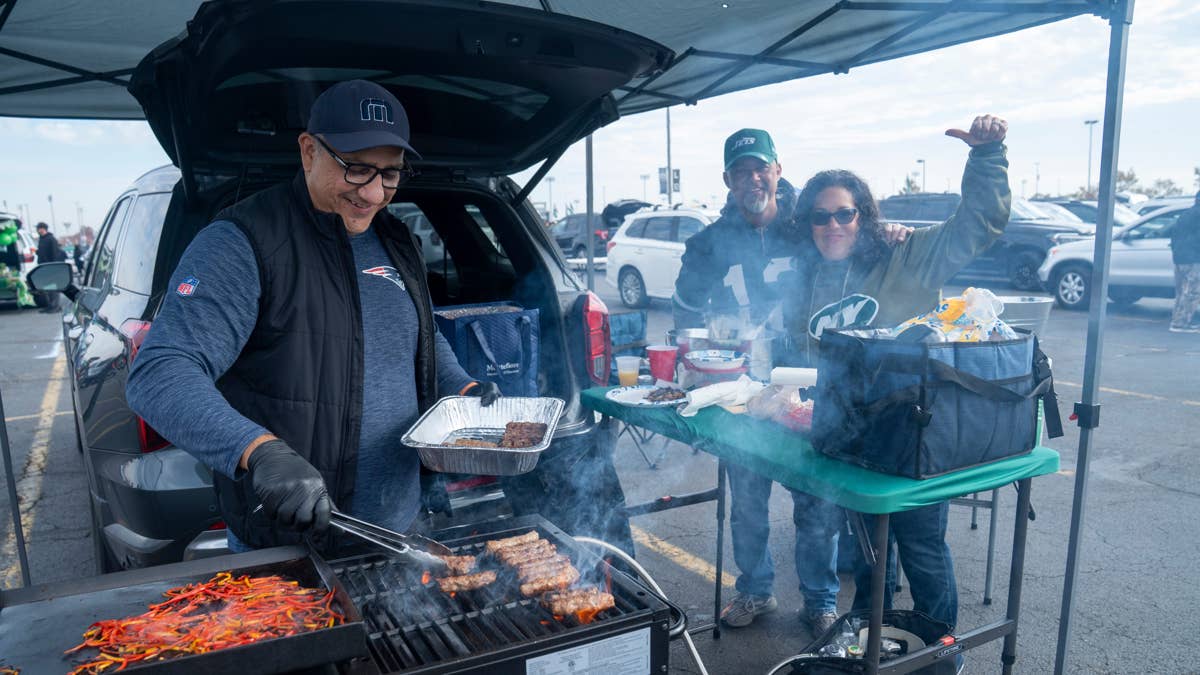
The iconic American tradition of firing up the grill and cracking open a cold one in the stadium parking lot is about to hit a major roadblock for the world's biggest sporting event. As the 2026 FIFA World Cup prepares to take over several NFL venues, fans at three specific stadiums will have to find a new pre-game ritual: tailgating is getting the red card.
While venues like AT&T Stadium in Dallas and SoFi Stadium in Los Angeles are expected to allow the festive gatherings, the party will be decidedly over at Arrowhead Stadium in Kansas City, Gillette Stadium in Foxborough (home of the New England Patriots), and Philadelphia's Lincoln Financial Field. The ban stems not from a universal FIFA decree, but from site-specific restrictions coordinated with local public safety authorities.

A FIFA spokesperson clarified the organization's stance, stating, "FIFA does not have a formal policy that restricts tailgating. However, site-specific restrictions may be imposed in alignment with host city public safety authorities in certain venues based on local regulations." Gillette Stadium officials have already confirmed that "traditional tailgating" will not be permitted during their World Cup events.
This news is just the latest headache for fans already feeling the sting of the tournament's soaring costs and logistical frustrations. The tailgate ban adds insult to injury for a fanbase already up in arms over what many are calling blatant opportunism.
Ticket Turmoil and Transit Troubles
Fan discontent is reaching a boiling point on multiple fronts. A recent report from The Athletic's Henry Bushnell revealed accusations that FIFA altered seating maps after tickets were purchased, effectively downgrading fans' views without recourse. The situation prompted ESPN's Kevin Clark to vent on social media, calling it an "unbelievable" story and labeling FIFA's actions a "generational" sports scam.
If that wasn't enough, transportation costs are spiraling into the stratosphere. A jaw-dropping report this week revealed that NJ Transit plans to charge over $100 for a round-trip train ticket from New York's Penn Station to MetLife Stadium for World Cup matches—a more than seven-fold increase from the usual $12.90 fare. This exorbitant price hike has sparked immediate backlash and threats of fan boycotts, adding to the growing list of controversies. For more on the transit revolt, see our report on the $100 train ticket sparking boycott threats.
The compounding issues—from banned tailgates to bait-and-switch seating and price-gouging transit—paint a picture of a tournament buildup that is anything but smooth for FIFA. It's a stark reminder of the complex clash between global event logistics and local fan culture.
A Cultural Clash on American Soil
The tailgating ban highlights a fascinating cultural intersection. The World Cup, a global spectacle with its own set of stringent protocols, is landing in the heart of American sports culture, where the pre-game parking lot party is as sacred as the game itself for many NFL fans. This isn't just about losing a convenience; it's about stripping away a core piece of the live sports experience for countless supporters.
As the 2026 tournament approaches, these early controversies threaten to dampen the unprecedented excitement of hosting the World Cup across North America. They also raise questions about how other key soccer executives and organizers will navigate the challenges of blending international standards with local expectations.
With years still to go before the first kickoff, FIFA and local organizers have time to address these growing pains. But for now, fans dreaming of grilling burgers in the shadow of Arrowhead or Gillette before watching the world's best will need to adjust their game-day plans significantly. The message is clear: for this World Cup, the beautiful game might not include the beautiful pre-game tradition many American fans hold dear.