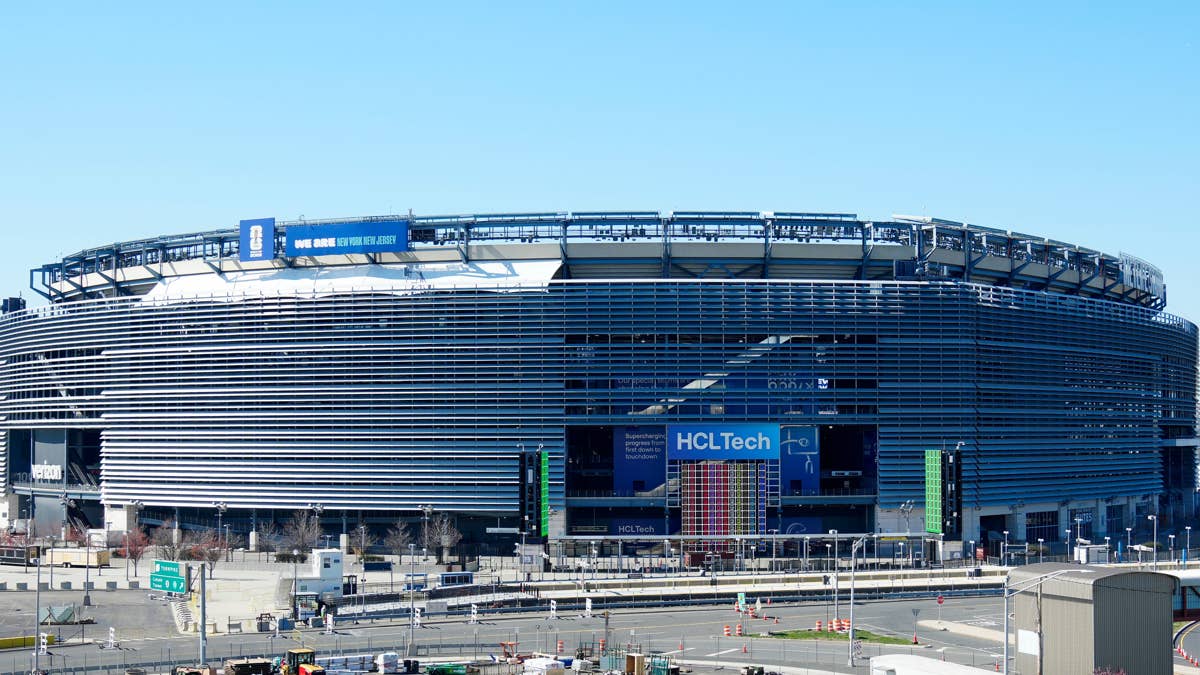
The 2026 World Cup is supposed to showcase the best of soccer, but for players taking the pitch at MetLife Stadium, the experience has been anything but world-class. Despite FIFA's temporary grass installation, the venue—officially dubbed “New York New Jersey Stadium” for the tournament—is drawing heavy criticism from some of the game's biggest stars.
French midfielder Adrien Rabiot didn't hold back after his team's win over Senegal, telling the BBC that the surface felt artificial. “The pitch… I don’t even know if you can call it that. It felt more like an artificial surface – quite hard and quite rigid,” Rabiot said. His comments add to a growing chorus of complaints about the East Rutherford stadium, which has a long history of turf troubles.
Brazilian star Vinicius Junior echoed similar frustrations after his team's 1-1 draw with Morocco. He pointed to the heat as a major factor, saying the field dried out quickly in the second half. “The game becomes very sluggish, and we can’t get into our rhythm,” Vinicius said. The sluggish pace is a nightmare for teams trying to showcase fluid, attacking soccer.
MetLife's field issues are nothing new. For years, NFL players have dubbed it “DeathLife Stadium” after a string of devastating injuries. Yahoo Fantasy Sports noted in September 2025 that at least eight high-profile players suffered Achilles or ACL tears there. Odell Beckham Jr., who coined the nickname, has been vocal on social media, pleading with the league to switch to natural grass. “Dear @NFL, PLZ. PLZ. PLZ. GET RID OF THE 🤬 TURF,” OBJ wrote in a series of posts, adding that “DeathLife has taken too many talented players away from the game.”
The current World Cup tournament has already seen some dramatic moments, including a broadcaster bloodied by a flying bottle at Estadio Azteca, but the field conditions at MetLife could lead to a different kind of disaster. With the final set to be played there, the pressure is mounting for organizers to ensure the pitch meets professional standards.
For now, players are left to navigate a surface that feels more like a liability than a stage for greatness. As one star after another speaks out, the question isn't whether MetLife's turf is bad—it's how long the sport will tolerate it.