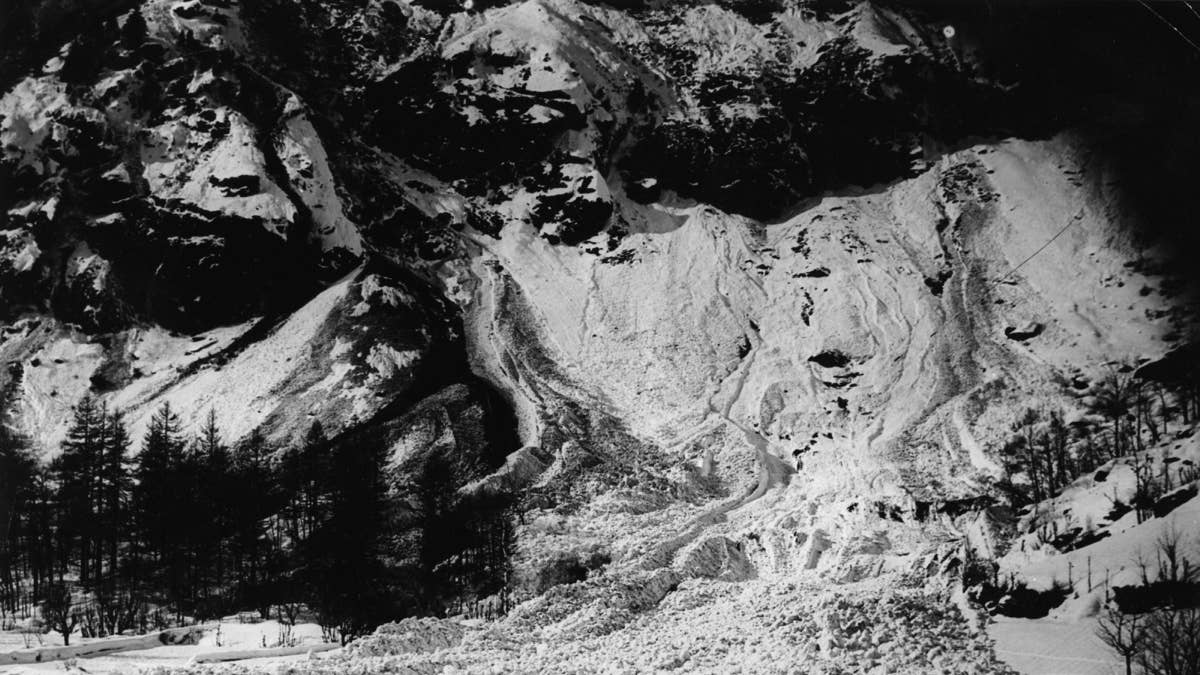
The U.S. has issued a stark warning to mountain enthusiasts following a devastating avalanche that claimed the lives of ten climbers on Broad Peak in Pakistan's Skardu District. The tragedy has sent shockwaves through the climbing community and prompted federal officials to emphasize the importance of avalanche safety.
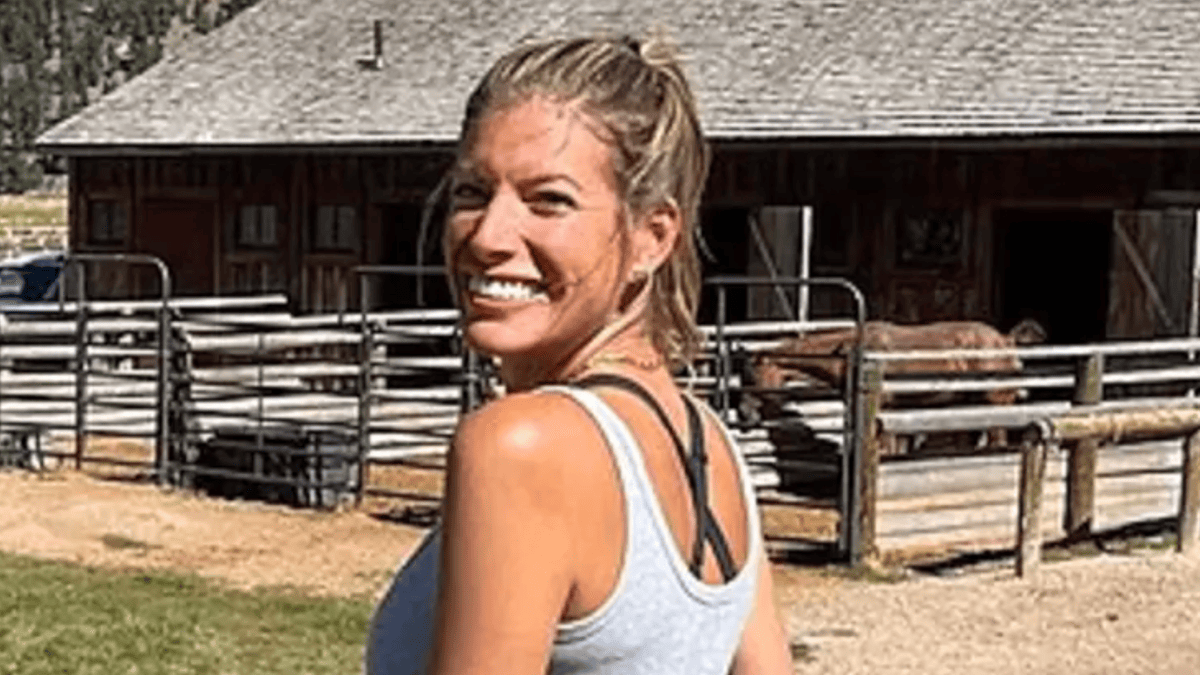
Among the victims was a 39-year-old woman from San Antonio, Texas, whose family confirmed her death in a heartfelt statement to KSAT 12. They described her as “a bright light who was loved deeply by her family and friends” and said she “will be profoundly missed.” Before her expedition, she had shared her excitement on social media, calling the climb “a giant leap of faith into the unknown to see where life goes. I have a sneaking suspicion there will be lots of helmets, harnesses, and crampons involved.”
The avalanche struck Broad Peak, the world's 12th-highest mountain at 8,047 meters (26,401 feet). The ill-fated expedition included five Nepali climbers, an Omani climber, the American woman, Pakistani climber Sohail Sakhi, a Chinese climber identified only as Wang, and one other foreign national, according to the Alpine Club.
In response, U.S. authorities have released a warning aimed at all mountain goers, stressing that avalanches can occur whenever snow rests on a slope steeper than about 30 degrees. The warning highlights that avalanches are most likely during or shortly after heavy snowstorms, strong winds, or rapid thaws.
“Avalanches are possible any time you have snow on a slope,” the warning states. “The best thing you can do before you head into the mountains is check the avalanche forecast.”
Climbers are also urged to watch for telltale signs of danger, including recent avalanche activity, cracking in the snow, and audible collapses. If any of these are observed, the advice is to avoid traveling on or beneath similar slopes. This guidance echoes similar safety warnings issued for other outdoor activities.
The tragedy has cast a pall over the mountaineering world, with many expressing condolences for the victims and their families. It also serves as a grim reminder of the inherent risks of high-altitude climbing, where conditions can change in an instant.
As the climbing community mourns, the U.S. warning underscores the need for vigilance and preparation. Experts recommend that anyone venturing into mountainous terrain consult local avalanche forecasts and carry appropriate safety gear, such as beacons, probes, and shovels.
Our thoughts are with all those affected by this terrible event, and we hope that this warning will help prevent future tragedies on the world's most unforgiving peaks.