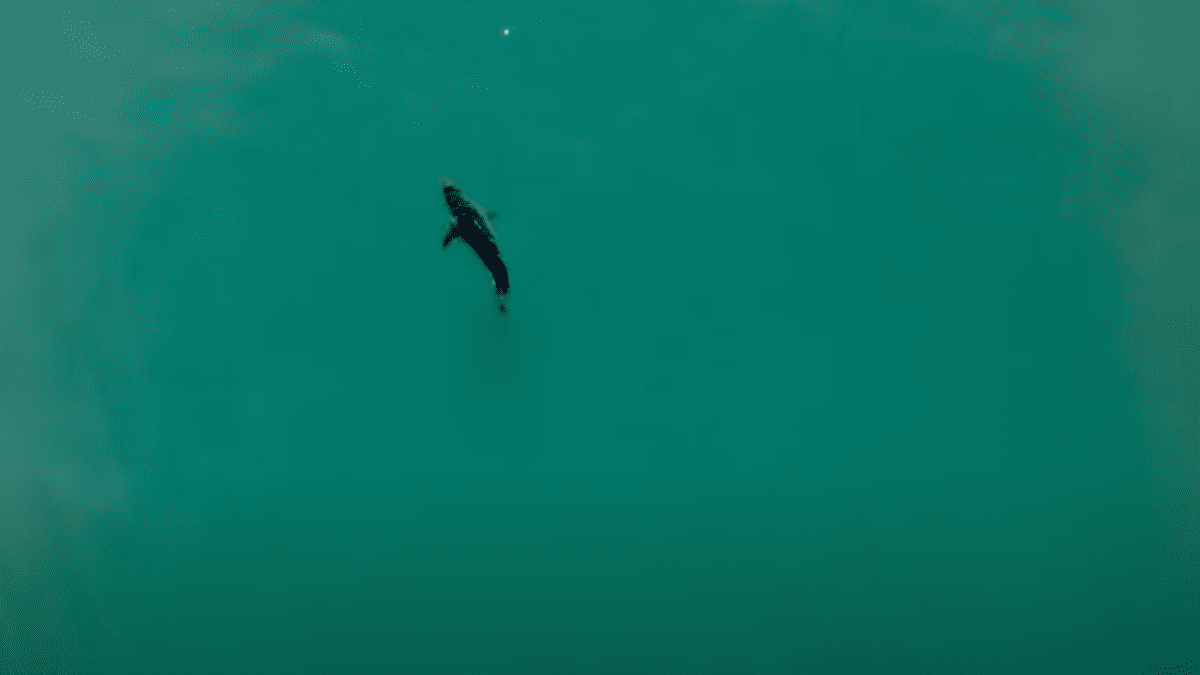
A terrifying encounter with a shark off the coast of a popular Sydney beach has left a woman fighting for her life. The attack occurred near Coogee Beach around 11:30 a.m. on Saturday, sending shockwaves through the local community and reigniting concerns about ocean safety.
The victim, believed to be in her 30s, was swimming when the shark struck, inflicting serious injuries to her leg and arm. Quick-thinking bystanders rushed to her aid, pulling her from the water and administering first aid on the sand before paramedics arrived. According to police, she was then transported to a nearby rugby field, where a helicopter airlifted her to a hospital in critical condition.

This incident marks the latest in a troubling trend for Australia's coastline. ABC News reports that the country has seen a surge in shark-related deaths this year, with four fatalities already recorded—three of those occurring since May alone. That tally already exceeds the typical annual average of two to three deaths from shark encounters.
While the risk of a shark attack remains extraordinarily low for most beachgoers, the recent spate has drawn attention to the delicate balance between human activity and marine life. Experts note that as Australia's population grows and activities like surfing and scuba diving become more popular, interactions with sharks may naturally increase. Last year, the country recorded five fatal attacks, a number that stands out in global statistics.
A Broader Perspective on Shark Attacks
Worldwide, unprovoked shark attacks are rare, with 60 to 100 reported annually. Of those, only a handful—typically 5 to 15—are fatal. The United States, Australia, South Africa, and Brazil account for most incidents, largely due to their extensive coastlines and vibrant beach cultures. Surfers, swimmers, and divers are most at risk simply because they spend more time in the water.
Despite the fear they inspire, sharks pose a minimal threat to humans. Statistically, you're far more likely to be killed by lightning, drowning, or a car accident than by a shark. Most species, including the great white, tiger, and bull sharks—the ones most often linked to serious attacks—rarely target people.
This latest attack comes amid a broader conversation about public safety and wildlife encounters. In a separate incident, a woman's dog lost a massive amount of blood in a bear attack in Alaska, highlighting the unpredictable nature of animal encounters. Similarly, the Coogee Beach attack underscores the need for continued vigilance and education for those who love the ocean.
As authorities investigate Saturday's attack, the focus remains on the victim's recovery. The community has rallied together, with many expressing hope for her full recovery. For now, the beach remains open, but swimmers are urged to stay alert and follow any warnings from local officials.
Shark attacks may be headline-grabbing, but they remain a statistical rarity. Still, for the woman injured on Saturday and her family, the reality is immediate and devastating.