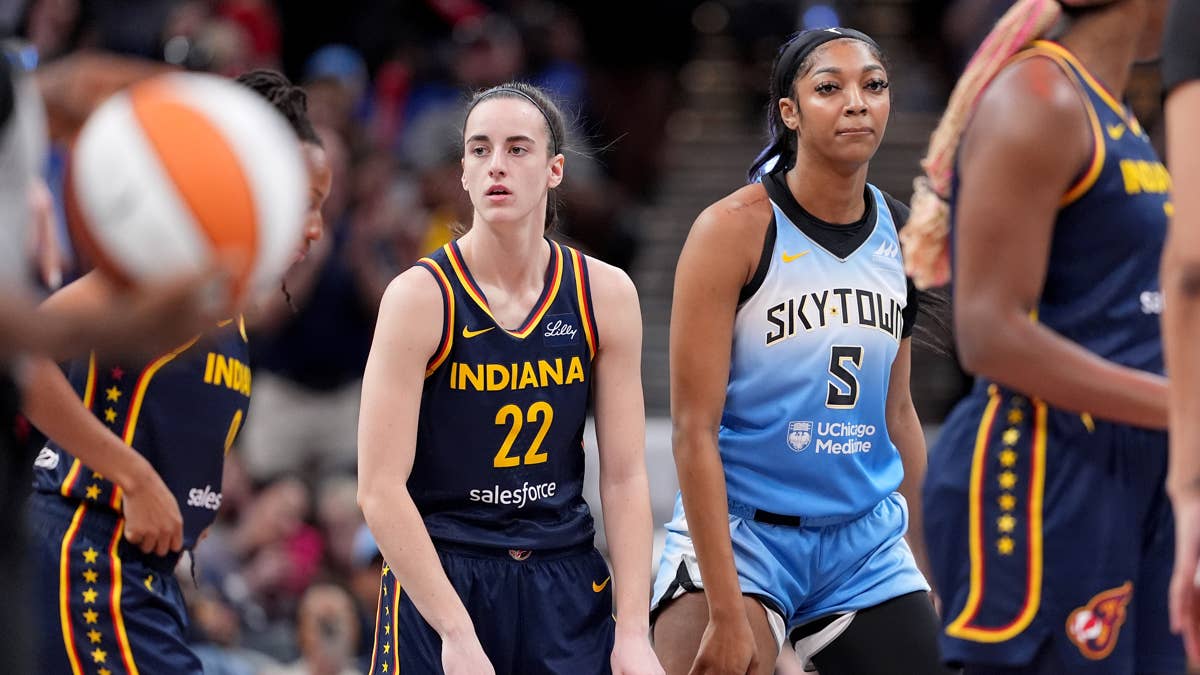
The WNBA landscape is buzzing, and at the center of it all is Caitlin Clark. The Indiana Fever superstar continues to be the most polarizing and pivotal figure in women's basketball, drawing both passionate support and vocal criticism. While some celebrate the unprecedented attention she's brought to the league, others, including fellow stars, have questioned if the focus on one player overshadows a generation of talent. This week, the league itself delivered a definitive answer.
The Unavoidable Spotlight
There's no denying the "Caitlin Clark Effect." Since her arrival, arenas have sold out, ratings have shattered records, and casual sports fans are suddenly debating WNBA narratives. Yet, this meteoric rise has created friction. As Angel Reese famously stated in 2024, the surge in popularity is "not just because of one person." Reese positioned herself as a key part of the movement, arguing that many players have built the foundation Clark now plays upon. This sentiment echoes in locker rooms and fan forums, where some feel the contributions of veteran stars are being minimized in a wave of rookie-centric hype.
Clark, for her part, has navigated this with a focus on her game, even as external pressures mount. Recently, she made headlines with a demand for an off-ball role, citing the exhaustion of constantly carrying the offensive load. This admission highlights the immense weight of expectation placed on her shoulders from day one.
The Schedule Speaks Volumes
All debates were quieted—or at least confronted with hard data—on Wednesday. The WNBA's schedule release for the upcoming season wasn't just an announcement; it was a statement. The league revealed that the Indiana Fever's entire season will be broadcast nationally, a historic first for any WNBA team. This decision isn't based on hope or potential; it's a direct reflection of proven, blockbuster viewership numbers that follow Clark wherever she plays.
This move transcends typical sports scheduling. It's a billion-dollar broadcaster and a professional sports league placing an unprecedented bet on one athlete's ability to move the needle. The message is clear: there is currently no bigger attraction in women's sports. While the league rightly promotes its constellation of stars, the scheduling proves Clark operates in her own gravitational pull, pulling audiences and attention at a scale that redefines the business.
Beyond the Hype: A League Transformed
The national TV slate is more than a trophy for Clark; it's a rising tide for the entire Fever roster and the WNBA. Teammates will play under the brightest lights all season long, gaining exposure previously reserved for playoff contests. This visibility is invaluable, offering a platform for other players to build their own brands and showcase their skills to a massive audience. The very critics of the "one-person" narrative may find this widespread exposure benefits them directly.
Clark's influence extends beyond the court, as seen when she took to social media with a celebratory 'LFG' for her brother's new college commitment, showing her investment in basketball at all levels. However, her every move is scrutinized, with even her social media silence on a teammate sparking a leadership debate. This constant analysis is part of the new reality she has ushered in.
The Inconvenient Truth for Detractors
For those annoyed by the Clark-centric coverage, Wednesday's news is a tough pill to swallow. The league's commitment is a market-driven verdict. It acknowledges that while the WNBA is filled with phenomenal athletes who have fought for decades for this moment, Clark has uniquely cracked the code on mainstream, cross-over appeal. Her style of play, record-breaking college career, and undeniable charisma have created a phenomenon.
This isn't to diminish others' achievements. Stars like A'ja Wilson, Breanna Stewart, and Alyssa Thomas are playing at an all-time great level. Yet, the commercial and cultural breakthrough the league has yearned for has a clear face attached to it. As Clark enters a critical third season with a smarter, more measured approach, the infrastructure of the league is aligning to maximize her presence.
Looking Forward
The ultimate result of this focus could be a win for everyone. Clark's drawing power forces networks to broadcast more WNBA games, normalizing the league on national sports calendars. It creates bigger revenue opportunities that can, in time, lift all player salaries and benefits. The challenge for the WNBA will be leveraging Clark's stardom to permanently elevate the profile of the entire league, ensuring its growth is sustainable long after the initial frenzy.
One thing is certain: the conversation has changed. The question is no longer about whether Caitlin Clark is good for the WNBA; the league's own actions have answered that. The real question now is how the entire basketball ecosystem will adapt to and grow from the new reality she has single-handedly created. The schedule is set, the cameras are rolling, and all eyes—whether admiring or annoyed—are fixed on number 22.