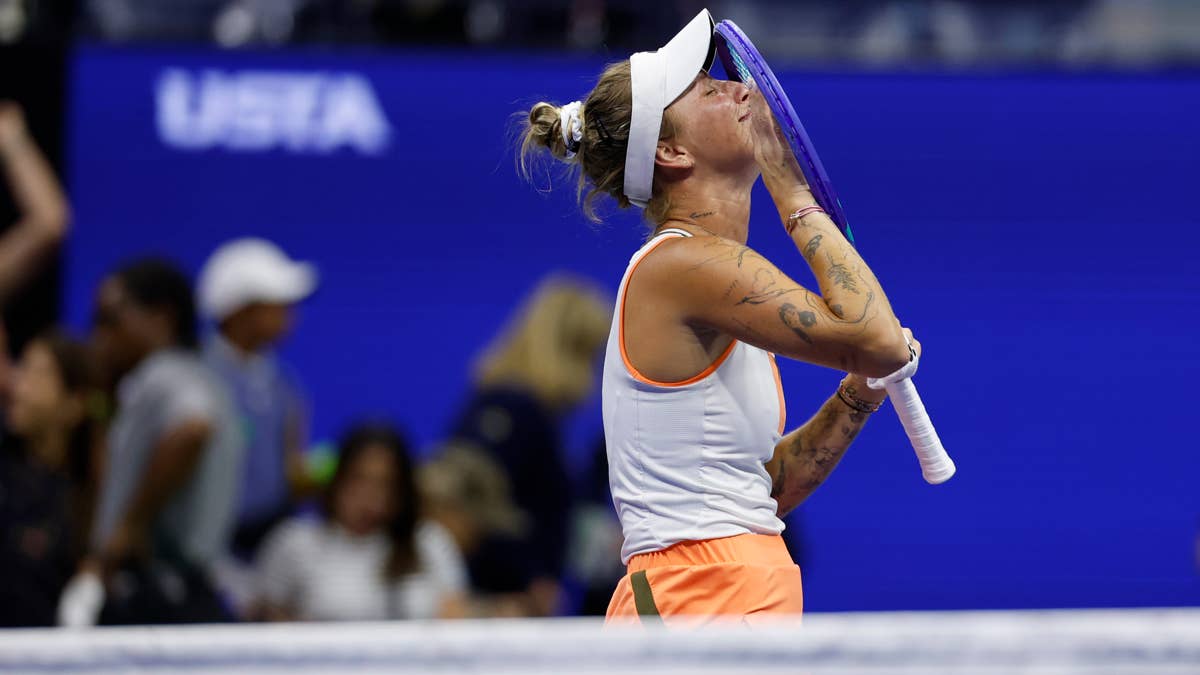
The tennis world is holding its breath as former Wimbledon champion Marketa Vondrousova faces a potential four-year suspension that could derail her career. The International Tennis Integrity Agency has charged the Czech star with failing to submit to a sample collection, a violation that carries severe penalties in the sport's strict anti-doping landscape.
A Nighttime Knock That Sparked a Crisis
Vondrousova broke her silence Friday, revealing a harrowing account of the December incident that now threatens her future. She described a late-night visit from a doping control official that triggered what medical experts diagnosed as an Acute Stress Reaction and Generalized Anxiety Disorder. "When someone rang my door late at night without properly identifying themselves or following protocol—I reacted like a person who felt scared," Vondrousova explained. "In that moment, it was about feeling safe, not about avoiding anything."

The 2019 Wimbledon champion connected her reaction to years of accumulated pressure, including "months of physical and mental stress" from injury recovery, sleep issues, and what she described as "years of hateful messages and threats." Her statement took a chilling turn when she referenced fellow Czech player Petra Kvitová's 2016 knife attack, noting "we don't take strangers at our door lightly" in their tennis community.
From Shoulder Injury to Career Crossroads
This controversy compounds what's already been a challenging season for Vondrousova. The former world No. 6 withdrew from January's Australian Open with a shoulder injury, making only a brief return during Billie Jean King Cup qualifiers before this latest development halted her comeback. Her absence would represent a significant loss for the WTA Tour, where her creative left-handed game has thrilled fans since her breakthrough run at the All England Club.
Vondrousova's situation highlights the intense scrutiny athletes face both on and off the court. While tennis has made strides in addressing mental health, this case presents a complex intersection of anti-doping protocols, athlete safety concerns, and psychological wellbeing. The ITIA must now weigh her medical explanation against the strict liability standard that typically governs doping violations.
Tennis Community Reacts With Concern
Across social media and tennis forums, the response has been overwhelmingly sympathetic toward Vondrousova's mental health struggles. "You truly never know what someone is going through behind closed doors," one fan commented, capturing the sentiment of many. Another added, "I hope Marketa gets the treatment and care she needs. Mental health has to be treated no differently than any long-term physical injury."
The case echoes other high-profile situations where athletes' careers have intersected with mental health challenges. Just as Sergio Garcia's Augusta meltdown raised questions about behavior protocols in golf, Vondrousova's situation tests how tennis institutions respond to psychological crises. Similarly, the sports world has recently grappled with tragic losses like former Astros prospect Jon Kemmer's passing, reminding us that athletes face human struggles beyond competition.
What Comes Next for the Wimbledon Champion?
With nothing yet finalized, Vondrousova's legal team will likely present medical evidence supporting her acute stress reaction diagnosis. The ITIA's decision will set an important precedent for how similar cases might be handled in the future, particularly as athletes become more vocal about mental health challenges. Tennis authorities find themselves navigating uncharted territory between maintaining doping control integrity and recognizing legitimate psychological crises.
When healthy, Vondrousova remains one of tennis's most compelling competitors—a crafty left-hander with sublime touch who captured the sport's ultimate prize at just 19. Her potential four-year absence would deprive fans of seeing her unique game develop during what should be her prime competitive years. As the tennis world awaits the ITIA's final ruling, the broader conversation continues about how sports institutions can better support athletes' wellbeing while maintaining competitive integrity.