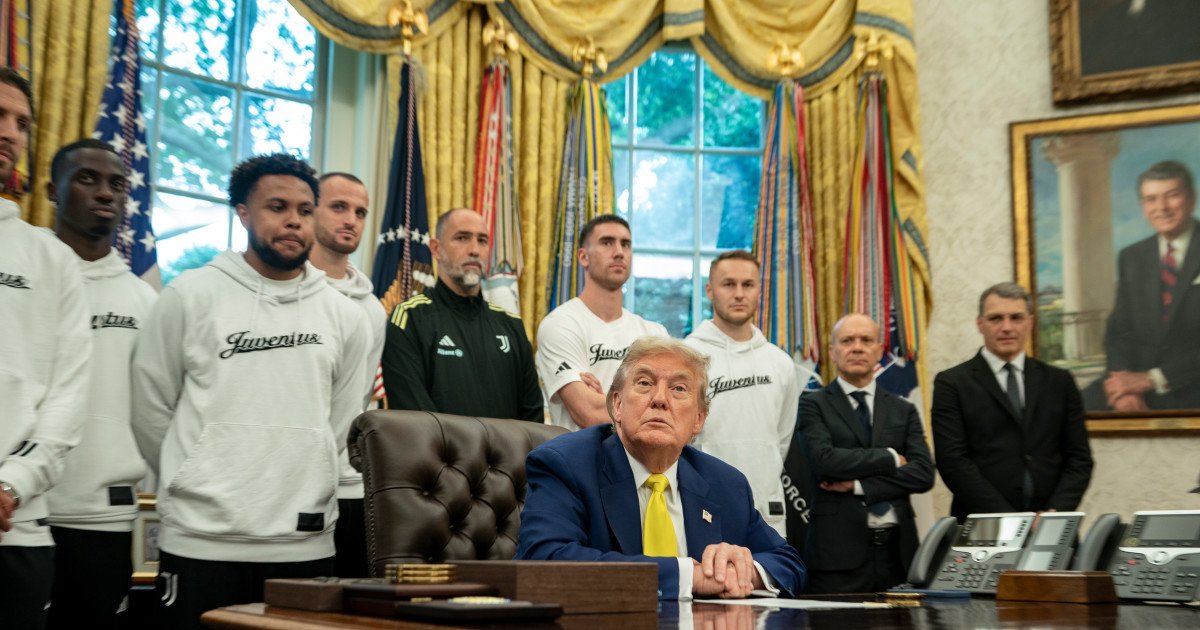
The beautiful game is facing an ugly geopolitical reality. As the 2026 FIFA World Cup hosted by the United States, Canada, and Mexico draws closer, a major cloud of uncertainty hangs over one qualified nation: Iran. The escalating conflict between the U.S. and Iran has now spilled onto the soccer pitch, with President Donald Trump issuing a blunt public warning to the Iranian national team about their potential safety.
Taking to his social media platform, Trump delivered a mixed message. While stating the team was "welcome" to the tournament, he expressed grave doubts. "I really don't believe it is appropriate that they be there, for their own life and safety," he wrote, casting a stark shadow over what should be a celebration of global sport. This warning comes just weeks after U.S. airstrikes targeted Iran, an operation that resulted in significant casualties and heightened tensions to a boiling point.
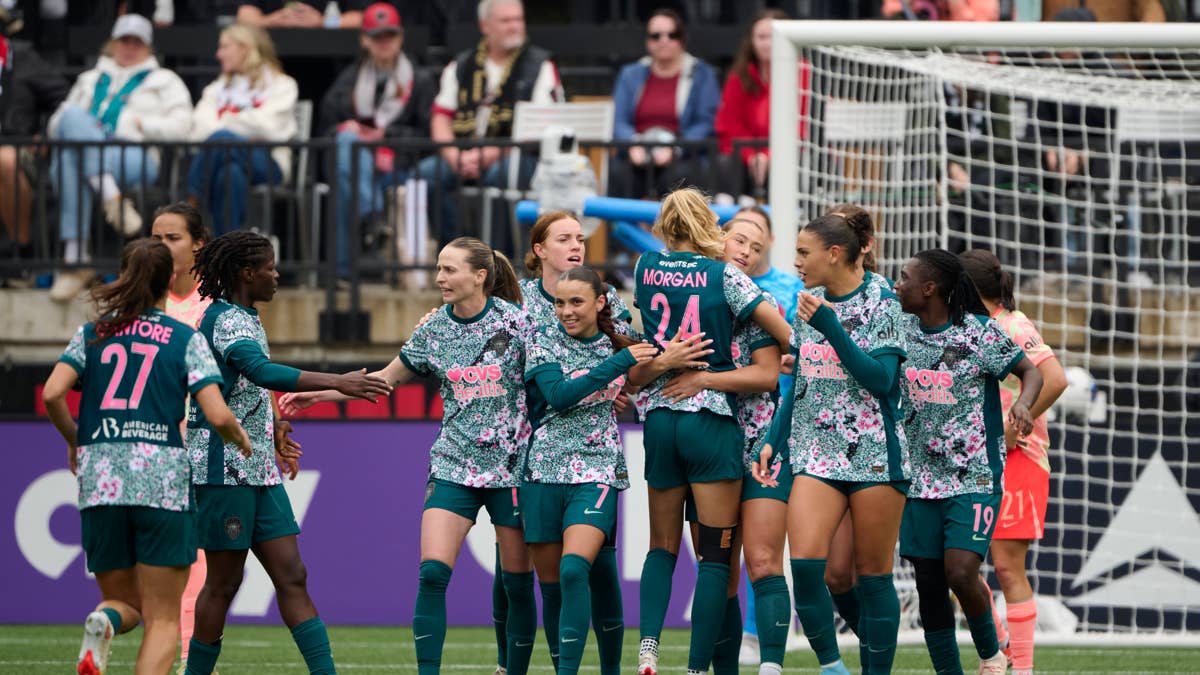
A Withdrawal Unlike Any Other
In response to the deteriorating situation, Iran's sports minister announced the national team could not participate in the World Cup. This isn't a simple case of cold feet. The last outright withdrawals from the tournament happened over seven decades ago, when India and France backed out due to financial constraints, not active warfare with a host nation.
This scenario is unprecedented. While teams have competed despite political disagreements, the combination of a direct military conflict and one nation hosting the event creates a perilous cocktail. It's a far cry from nations facing off on neutral ground; this would involve Iranian athletes competing on American soil while their countries are effectively at war. The potential for security incidents, protests, or worse is a nightmare scenario for tournament organizers.
Iran was slated to play in Group G, with matches against Belgium, Egypt, and New Zealand in host cities Los Angeles and Seattle. Now, those fixtures are in serious jeopardy. The situation is so volatile that it echoes other moments where safety concerns have taken center stage in sports, similar to the urgent alerts issued following campus tragedies. You can read more about such proactive safety measures in our report on the U.S. campus safety alert.
The Clock is Ticking for FIFA
With kickoff less than three months away, global soccer's governing body, FIFA, finds itself in a crisis-management bind. They must now urgently contingency plan for a replacement team, a logistical and competitive headache of massive proportions. The integrity of the group stage and the careful balance of the tournament draw are now at risk.
The core issue transcends soccer. It's about whether the world's most popular sporting event can operate as a unifying force amidst genuine international conflict. President Trump's warning, while framed around safety, underscores the deep political fissures that the tournament will now navigate. This intense focus on geopolitical strategy is a realm some athletes understand well; former NASCAR driver Danica Patrick has spoken about the shared competitive drive that defines top performers in high-pressure environments.
The White House has been firm in its stance regarding the conflict, consistently defending its position against critics. This resolve is clear in their responses to public figures, much like when they fired back at claims made by commentator Joe Rogan about the administration's strategy. This same steadfastness now directly impacts the sporting world.
As the global sports community watches, the question remains: Can the World Cup rise above these tensions, or will it become another arena for geopolitical strife? The coming weeks will be critical as FIFA attempts to salvage the tournament's spirit while confronting an undeniable security and political crisis. For the latest developments on Iran's official stance, follow our coverage of the stunning World Cup withdrawal.