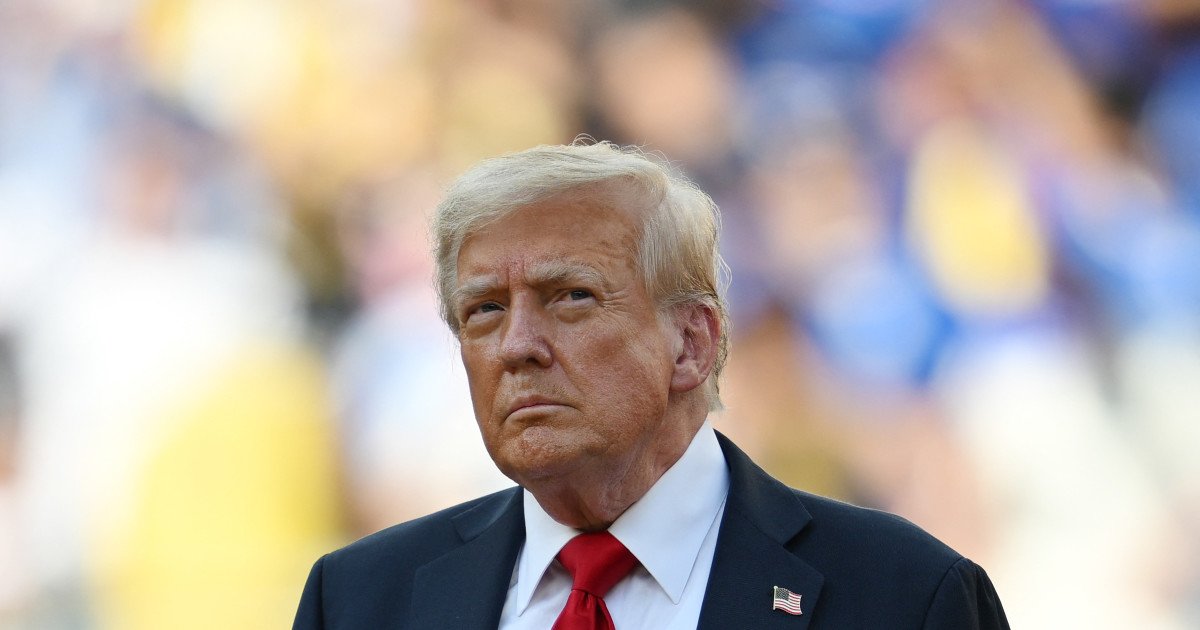
In a move that's thrown a penalty flag on the entire sports world, President Trump has issued an executive order aimed at protecting the Army-Navy football game from any broadcast competition. The directive demands an exclusive television window for the historic military academy rivalry, effectively attempting to clear the December sports calendar of any other major college football matchups.
The timing appears strategic, coming amid serious discussions about expanding the College Football Playoff to 16 teams as early as 2027. Such expansion could push early-round playoff games into the traditional early December slot occupied by "America's Game," potentially creating direct scheduling conflicts. The order explicitly states that "no college football game... be broadcast in a manner that directly conflicts with the Army‑Navy Game," arguing that conflicts "weaken the national focus on our Military Service Academies."
A Presidential Audible
While the 2026 playoff will remain at 12 teams, the specter of future growth has prompted this preemptive strike from the White House. The administration frames it as protecting a vital morale-building event, but the reaction from the college football community has been anything but supportive.
ESPN's Stephen A. Smith delivered a blistering critique that resonated with many fans. "Who the hell does this man think he is?" Smith exclaimed. "Every single time I try to be fair and fair-minded to this president, he pulls some BS like this... Who the hell is he to tell the broadcast world, 'Nah, not at this time'?" Smith questioned the very authority behind the move, suggesting it represents the kind of overreach that "got our country in a tizzy right now."
Fan Backlash Goes Viral
Across social media and sports forums, college football enthusiasts have expressed similar frustration. One fan summarized the sentiment: "Anything but focusing on real issues." Another added, "If only there were many more important things going on than the Army/Navy game." The phrase "federal overreach" appears repeatedly in fan reactions, with many questioning both the necessity and the legality of the executive action.
"He doesn't even have that power," argued one knowledgeable fan. "Executive orders don't do that. If Auburn wants to play Tulane that weekend, an order of the president can't prevent that. No executive agency sets college football schedules." This legal skepticism echoes concerns about whether the order can be practically enforced against independent broadcast networks and conferences.
The controversy arrives as flag football continues to capture national attention, with events like Tom Brady's recent showcase demonstrating the sport's growing appeal. Meanwhile, other sports figures facing scrutiny include a Virginia football coach still missing after four months amid serious charges, putting sports governance in a different kind of spotlight.
Broader Implications
Beyond the immediate scheduling concerns, this executive action raises questions about the appropriate role of federal authority in sports entertainment. While the Army-Navy Game holds special patriotic significance, critics argue that using presidential power to mandate television scheduling sets a concerning precedent.
The order also indirectly highlights the ongoing tension between college football's traditional rivalries and its evolving postseason structure. As the sport continues to commercialize and expand, clashes between historic events and modern playoff formats seem inevitable—though few expected the White House to intervene so directly.
With the 2026 season still two years away, the practical impact remains uncertain. Will networks comply? Will conferences adjust schedules? Or will this executive order face legal challenges before it ever affects a single kickoff? One thing is clear: President Trump has thrown a long pass into contested territory, and the entire sports world is watching to see if it's caught or intercepted.