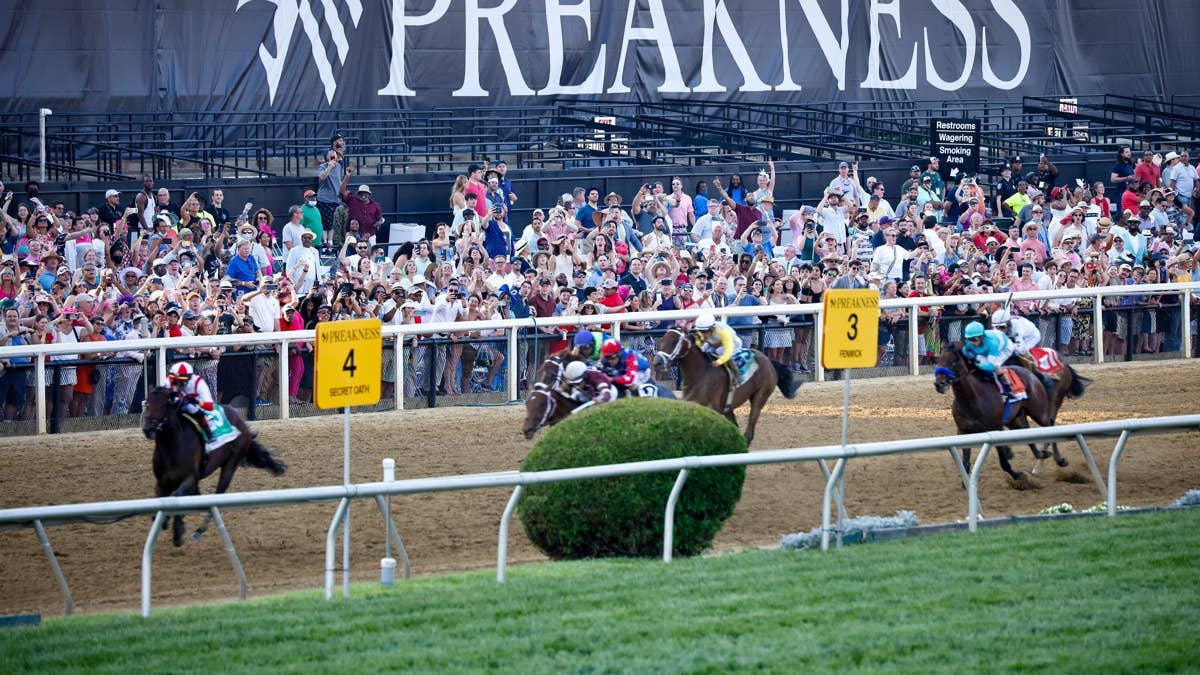
Get ready for a potential seismic shift in horse racing tradition. The Preakness Stakes, the legendary middle jewel of the Triple Crown, is reportedly eyeing a significant calendar change that could reshape the entire spring racing season. According to industry reports, the historic race may slide back by one week on the schedule starting in 2027, creating new spacing in the grueling championship series.
A Move in the Making
While the iconic race currently occupies its traditional spot on the third Saturday in May—two weeks after the Kentucky Derby—that longstanding placement could be up for revision. Maryland Jockey Club president and general manager Bill Knauf addressed the speculation, calling reports "premature" but confirming that discussions are actively underway. "We're still in the middle of discussing it," Knauf told Horse Racing Nation, leaving the door wide open for what would be one of the most notable scheduling changes in modern Triple Crown history.

Why Shake Up Tradition?
The potential move isn't just about changing dates; it's about revitalizing the sport's premier challenge. In recent years, the compressed two-week gap between the Derby and Preakness has seen several champions skip the Baltimore race entirely, diminishing the drama of Triple Crown pursuits. Last year's Derby winner, Sovereignity, bypassed the Preakness before capturing the Belmont Stakes. Similarly, 2022 upset champion Rick Strike sat out the middle leg. An extra week of recovery could encourage more Derby winners to continue their quest, potentially restoring the thrilling narrative of horses chasing racing's ultimate prize.
This potential calendar reshuffle echoes recent debates in other sports about tradition versus modernization. Just as golf fans have demanded changes at Augusta following historic performances, horse racing stakeholders are now considering how to optimize their crown jewel events for both equine athletes and viewer engagement.
Broadcast Battle Looms Large
The scheduling discussion coincides with another major potential shift: the Preakness's broadcasting future. With NBC Sports' long-standing contract expiring this year, the race could find a new television home for the first time since 2001. While NBC remains "highly interested" in retaining the rights, they could face fierce competition from networks like Fox Sports and streaming giants including Amazon and Netflix.
Interestingly, the broadcast negotiations could directly influence the calendar. Reports suggest Fox would support moving the Belmont Stakes back a week if they secure the Preakness rights, having already poached the final Triple Crown leg from NBC in 2022. This interconnected dance between scheduling and media rights highlights how modern sports economics increasingly dictate traditional calendars.
Immediate Future and Long-Term Vision
This year's Preakness will run on Saturday, May 16 at Laurel Park while its traditional home, Pimlico Race Course, undergoes renovations. The Kentucky Derby precedes it by two weeks on May 2. But all eyes are now on 2027 as a potential inflection point for the sport.
Such significant potential changes in established sports landscapes are becoming more common. Whether it's the NFL plotting international games like a potential blockbuster in Rio or college basketball's transfer portal creating new dynamics where players like John Blackwell become crown jewels, sports traditions are constantly evolving to meet new competitive and commercial realities.
What's at Stake
A later Preakness could mean more than just an extra week of training. It could mean healthier horses, more competitive fields, and renewed excitement around Triple Crown attempts. It could also mean a different rhythm to the entire spring racing season, affecting everything from breeding schedules to betting patterns.
As discussions continue behind closed doors, racing fans are left to ponder a future where the familiar May calendar might look distinctly different. One thing remains certain: any change to the Triple Crown schedule represents more than just moving dates—it's about preserving the prestige of racing's greatest challenge while adapting to the demands of a new era in sports.