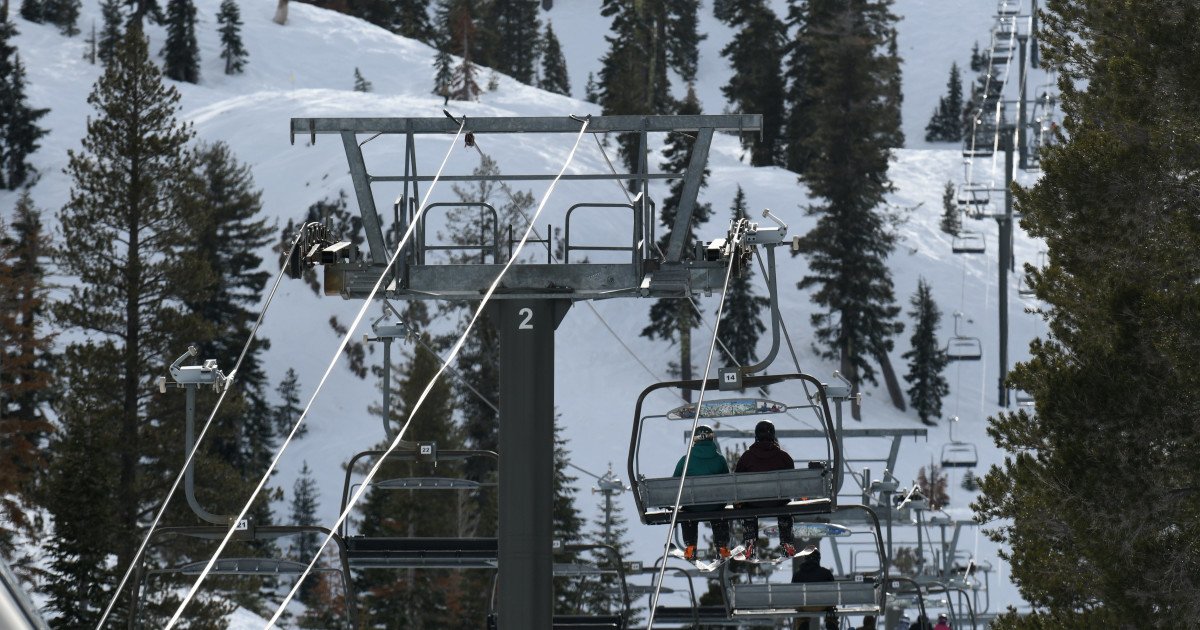
The joy of a winter weekend turned to heartbreak at a beloved Vermont ski area, where a 43-year-old American skier lost his life in a devastating accident. Cory Hartman of Hampton, New Hampshire, was found unresponsive after a fall at Sugarbush Resort's Lincoln Peak on Saturday afternoon, according to resort officials. Despite immediate response efforts, he was pronounced dead at the scene.
The incident occurred when Hartman fell and slid into a wooded area off the trail, a stark reminder of the inherent risks that accompany alpine sports, even at well-established resorts. Sugarbush, a premier destination in the Green Mountains, attracts thousands of skiers and snowboarders each season with its varied terrain and New England charm. This tragedy casts a shadow over the vibrant winter community.

While details surrounding the exact circumstances of the fall remain under investigation, the event has ignited urgent conversations about slope safety as the season continues in many regions. It underscores a critical truth: mountains demand respect, and preparedness is non-negotiable.
A Sobering Reminder: The Fundamentals of Slope Safety
In the wake of this loss, experts emphasize that foundational safety practices are every rider's first line of defense. "The key is always control," says veteran ski instructor Mark Tolley. "That means understanding your own ability, reading the terrain ahead of you, and constantly being aware of changing conditions and other people on the hill." A day that starts with soft snow can quickly become icy and fast, requiring adjustments in technique and speed.
Professional guidance is invaluable. Taking a lesson, even for experienced skiers, can refine technique and introduce new safety strategies. Beginning your day with a cautious warm-up run prepares both mind and body for the challenges ahead. Perhaps most importantly, knowing when to call it a day is crucial. Fatigue impairs judgment and reaction time, turning familiar runs into potential hazards.
Your Responsibility Code: The Non-Negotiables
Every resort operates under "Your Responsibility Code," a set of seven essential rules designed to protect everyone on the mountain. These rules mandate staying in control, yielding to others downhill, stopping only in safe spots, and using proper equipment. They also require understanding signage, preventing runaway equipment, and knowing how to safely use lifts. This framework exists not as a suggestion, but as a lifesaving covenant between all mountain users.
Hydration and sobriety are equally critical. The high-altitude environment accelerates dehydration, while alcohol or drugs severely compromise coordination and decision-making—a dangerous mix for any sport requiring precision at speed. As this tragic event at Sugarbush shows, the margin for error on the slopes can be unforgiving. This incident follows other recent outdoor tragedies, like the tragic end to an Appalachian Trail search and a fatal conclusion to a Super Bowl celebration, highlighting the need for vigilance in all recreational pursuits.
For those heading to the mountains, especially with major snow events like the epic Sierra snow bomb or the massive storm targeting California resorts, the excitement of fresh powder must be balanced with heightened caution. New snow can obscure terrain features and increase avalanche risk in unmanaged areas.
The sports world is no stranger to complex and emotional stories, from the intense scrutiny faced by athletes like Olympic skier Eileen Gu to unexpected losses far from the field of play. Yet, the death of Cory Hartman strikes a different chord—a reminder that the pursuit of passion and adventure carries real weight. Our deepest condolences go out to his family, friends, and all who knew him during this immensely difficult time.