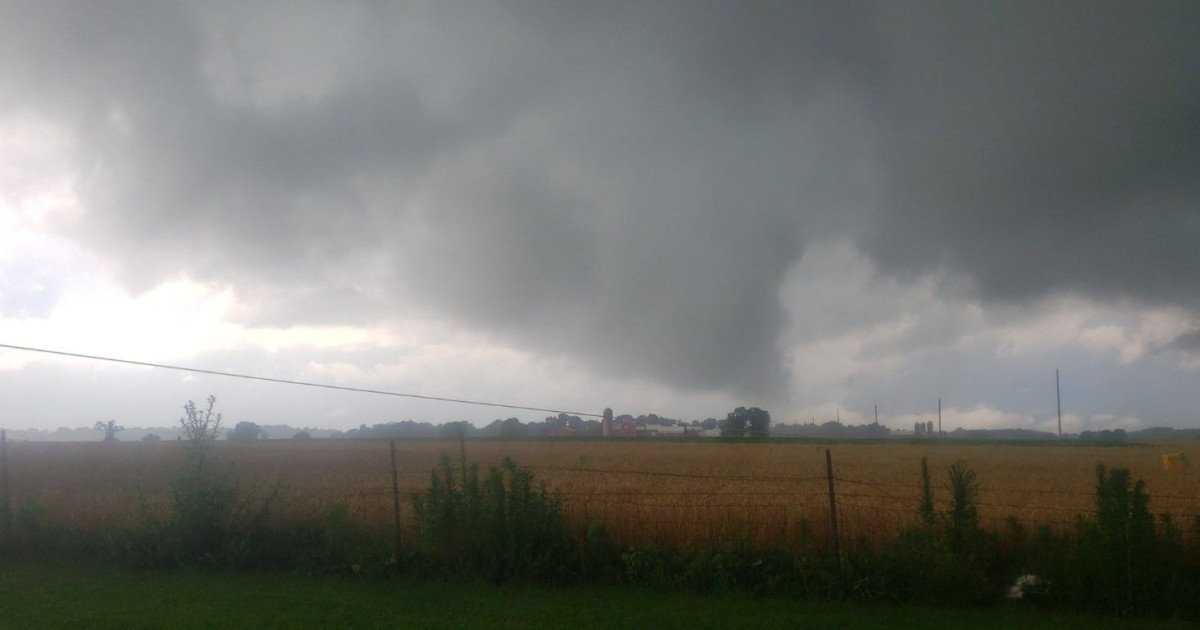
A massive storm system is gearing up to unleash severe weather across a significant portion of the United States this Wednesday, with forecasters warning that a dozen states could face the threat of tornadoes. The National Weather Service has issued alerts stretching from the Gulf Coast all the way to the Mid-Atlantic, putting millions of residents—and countless sports fans and athletes—on high alert for dangerous conditions.
Widespread Weather Warning
The National Weather Service is sounding the alarm for a potent mix of severe weather expected to develop Wednesday evening. The primary concern is the potential for tornado formation, but the system is also forecast to pack a punch with damaging straight-line winds, large hail, intense lightning, and torrential rainfall. This isn't just a passing thunderstorm; it's a significant atmospheric event that demands attention.

The states under the gun include Texas, Louisiana, Mississippi, Alabama, and Florida in the South, with the threat extending northeast through Arkansas, Kentucky, West Virginia, Virginia, Maryland, Delaware, and Pennsylvania. This broad swath means major metropolitan areas and countless smaller communities need to have their weather plans ready. For sports enthusiasts, this severe weather alert could mean disruptions to everything from local little league games to travel plans for major collegiate or professional matchups. As we've seen with previous events like the severe weather threatening sports across 12 states, these systems don't discriminate.
Impact on the Sports World
While public safety is the paramount concern, the potential for severe weather creates immediate ripple effects across the sports landscape. Outdoor sporting events, from high school baseball and track meets to community soccer leagues, may face postponements or cancellations. Even indoor venues aren't immune, as dangerous travel conditions can affect team arrivals, official staffing, and fan attendance.
This kind of widespread threat echoes recent patterns, such as the tornado watch that grounded four major states earlier this season. Athletic directors and league officials from the SEC to local parks and rec departments will be closely monitoring radar updates throughout the day Wednesday. The timing of the storms—developing in the evening—could be particularly problematic for night games and events.
Staying Safe When Storms Strike
With the threat level rising, it's crucial for everyone in the affected regions to review their severe weather safety plans. The key is to have multiple ways to receive warnings, as conditions can change rapidly.
- At Home: Identify your safest room—typically a basement, storm cellar, or an interior room on the lowest floor with no windows. Don't wait for the warning to figure out your plan.
- At an Event: Follow instructions from venue staff or public safety officials immediately. Stadiums and arenas have specific severe weather protocols. Avoid large, open areas like bleachers or concourses if a warning is issued.
- On the Road: If you're traveling to or from a game, remember that vehicles are extremely vulnerable. The safest option is to drive to the nearest sturdy building for shelter. If you're caught outside with no shelter available, abandon your car and lie flat in a low-lying ditch, covering your head.
Meteorologists like Weather Channel icon Jim Cantore have highlighted the unusual nature of such a widespread tornado threat extending into the Mid-Atlantic, underscoring the need for vigilance even in areas less accustomed to such dangers.
Preparation is Key
As Wednesday approaches, residents and sports organizers alike should finalize their contingency plans. Keep devices charged, have a battery-powered weather radio ready, and know where you'll go if a warning is issued for your area. For teams and leagues, communication with participants and fans about potential schedule changes is essential.
This severe weather outbreak serves as a stark reminder of nature's power, especially during the volatile spring season. By staying informed through local forecasts and the National Weather Service, and by having a clear plan of action, communities can navigate this threat safely. The goal is to ensure that when the skies clear, everyone is accounted for and ready to play another day.