The clock is ticking across the NFL, with a hard deadline of 4 PM Eastern Time on Tuesday for teams to deploy the franchise tag. This crucial tool allows clubs to retain their top impending free agents for another season, and the action is already heating up. With the league's salary cap exploding to a historic high north of $300 million this offseason, front offices are making calculated moves to secure their cornerstone players before the new league year kicks off on March 11.
The First Wave of Tags
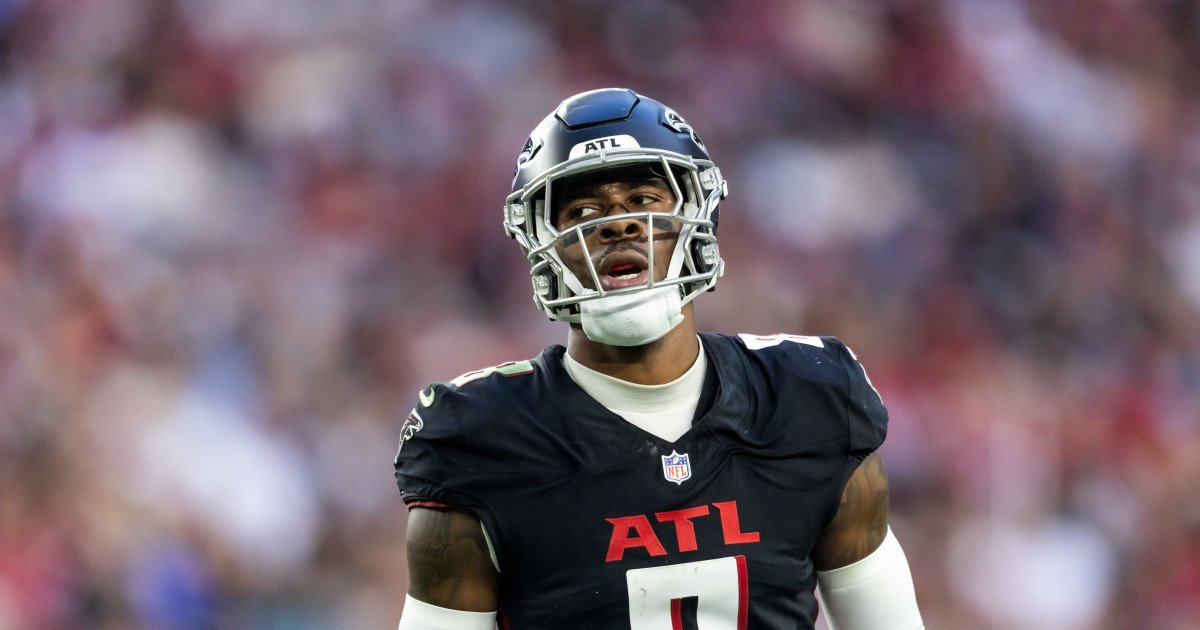
As of now, three dynamic playmakers have been designated with the non-exclusive franchise tag, signaling their teams' strong desire to keep them in the fold. The list includes Dallas Cowboys wide receiver George Pickens, Atlanta Falcons tight end Kyle Pitts, and New York Jets running back Breece Hall. This initial wave is just the beginning, with several other high-profile names anticipated to join them before the Tuesday afternoon cutoff.

The financial implications are significant. For the 2025 season, Pickens is tagged at a projected $27.3 million, Pitts at $16 million, and Hall at approximately $14.29 million. These figures reflect the premium positions and the soaring market, giving both players and teams a clear one-year framework while they potentially work toward a more permanent solution.
What the Non-Exclusive Tag Means
It's important to understand the mechanics of the non-exclusive tag, which all three players received. This designation doesn't completely shut the door on a player's free agency. Instead, it allows the tagged athlete to negotiate with other teams on a long-term contract. However, their original team holds a powerful card: the right of first refusal.
If another franchise swoops in with an offer sheet that the player signs, his current team has a five-day window to match that exact contract and retain him. If they choose not to match, they are compensated with two first-round draft picks from the signing team—a steep price that often acts as a major deterrent.
Teams Voice Their Commitment
The sentiment from team leadership is clear: these tags are a tool for retention, not a goodbye. New York Jets General Manager Darren Mougey was particularly vocal about his intentions regarding star running back Breece Hall. Speaking at the NFL Scouting Combine, Mougey expressed unwavering confidence in keeping the explosive back in green and white.
"We'll find a way to keep Breece here if we can't get a deal done," Mougey stated firmly. "The tags are an option. Ideally, we'd find a way to get a deal done and keep Breece around. I think I've said that for the last year since I've got here. Breece is a good player. We want to find a way to keep him around." This public declaration underscores Hall's value to the Jets' offensive future, especially after he broke out with his first 1,000-yard rushing season as a pro last year.
For Hall and the Jets, the tag sets a negotiating deadline of July 15 to hammer out a multi-year extension. The same timeline applies to Pickens and Pitts with their respective clubs. These next several months will be a high-stakes game of financial chess, balancing immediate cap constraints against the long-term cost of securing elite talent.
The use of the franchise tag is always a storyline that defines the NFL's offseason landscape. It creates drama, fuels speculation, and forces difficult decisions. As Tuesday's 4 PM ET deadline approaches, all eyes will be on which other stars—from quarterbacks to pass rushers—join Pickens, Pitts, and Hall in receiving the tag, setting the stage for a frenzied period of negotiations and roster building across the league.