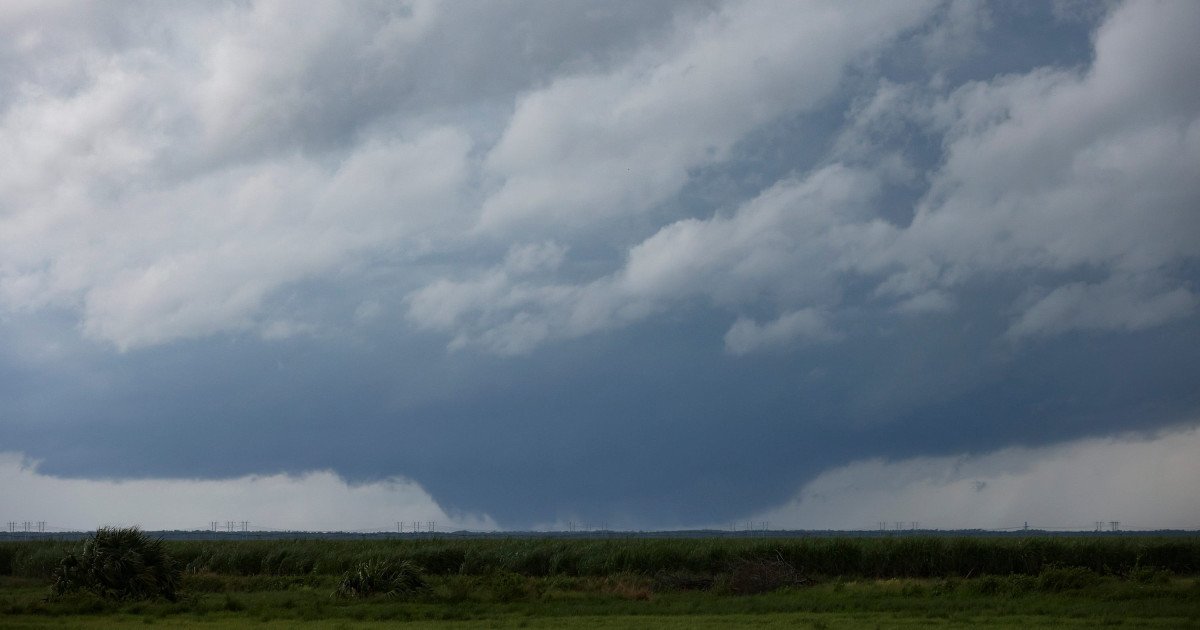
Sports fans across the nation might want to keep one eye on the radar this Sunday, as a massive severe weather outbreak threatens to disrupt plans from Texas to Pennsylvania. The National Weather Service has issued a stark warning: twenty states are facing a significant tornado threat on March 15, creating potentially dangerous conditions for travel and outdoor activities.
A Widespread and Serious Threat
This isn't just a minor weather advisory. Meteorologists are tracking a system that could spawn tornadoes across a staggering portion of the country. While the overall risk area covers 20 states, the danger is particularly heightened in regions where the probability of a tornado touching down reaches 5 to 10 percent. This level of risk demands serious attention from anyone with plans to be outdoors.
The states in the bullseye form a massive corridor stretching from the Southern Plains through the Midwest and into the Mid-Atlantic. The list includes:
- Texas, Oklahoma, and Arkansas
- Louisiana, Mississippi, and Alabama
- Tennessee, Kentucky, and Missouri
- Illinois, Indiana, Michigan, and Ohio
- Georgia, Florida, and the Carolinas
- Virginia, West Virginia, and Pennsylvania
Impact on the Sports World
For athletes, teams, and fans, this forecast spells potential chaos. Any outdoor sporting events, from local youth leagues to collegiate competitions, could face postponements or last-minute venue changes. Travel for teams and supporters across these regions could become hazardous or impossible. This kind of widespread severe weather event is reminiscent of the disruptions seen during other major storms, like the severe thunderstorms that threatened Sunday sports across 11 states earlier this season.
The timing couldn't be worse for a Sunday, typically packed with sporting events. Fans planning road trips to games or outdoor viewing parties need to have a backup plan. This situation also serves as a stark reminder of how quickly conditions can change, similar to the tornado threat that targeted four Southeast states recently, proving that these systems can develop with little warning.
Staying Safe is the Top Priority
When severe weather strikes, knowing what to do can save lives. The National Weather Service emphasizes these critical safety steps:
At Home
If a tornado warning is issued for your area, immediately move to a basement, storm shelter, or an interior room on the lowest floor away from windows. Don't forget to bring pets along if you have time.
On the Road or Outdoors
If you're caught outside or in a vehicle, your goal is to find a substantial building for shelter immediately. Mobile homes, tents, and sheds offer no protection. If you're driving and can safely reach a sturdy building, do so. As a last resort, abandon your vehicle and lie flat in a ditch or low-lying area, covering your head.
At Large Venues
Stadiums, schools, and workplaces should have emergency plans in place. Follow instructions calmly and quickly, moving to designated shelter areas. Avoid large, open spaces like gymnasiums, auditoriums, or cafeterias where roof failure could be catastrophic.
Staying informed is crucial. Keep a battery-powered NOAA weather radio handy or monitor trusted local news sources for the latest watches and warnings. This kind of preparedness is essential, not unlike the awareness needed when a severe storm threat puts multiple states on high alert.
While we all love the thrill of game day, safety must come first. This Sunday, before you head out to cheer on your team, take a moment to check the forecast and have a plan. The sports will be there another day—making sure you are too is what truly matters.