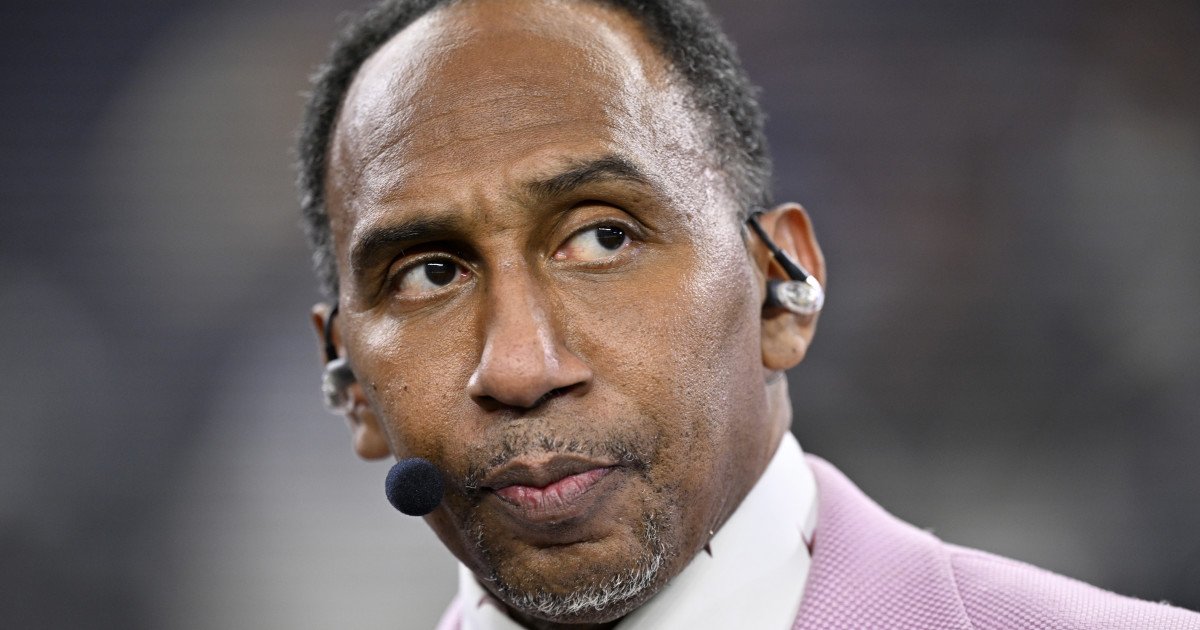
Stephen A. Smith, the bombastic voice of ESPN's First Take, has revealed a dark and violent chapter from his past that stands in stark contrast to his polished television persona. In a candid interview, Smith disclosed that he witnessed "multiple murders" while growing up in New York, painting a harrowing picture of the environment that shaped him.
A Chilling Glimpse Into a Violent Past
Speaking with Graham Bensinger, the 58-year-old broadcaster didn't hold back when recounting the trauma of his youth. "I've seen a couple people get gunned down. I've seen some people get killed," Smith stated matter-of-factly. He described one particularly gruesome incident where an argument over jokes escalated into a shooting, leaving a man wounded in both kneecaps. Another memory involved a friend being executed in a nightclub. "Guy walked up to him, blew his head off... just because he didn't like him," Smith recalled.
The Code of Silence
Perhaps more telling than the violence itself was Smith's explanation for his response. He described a survivalist mentality where speaking out was not an option. "You see something like that, you open your mouth, you might be next," he explained, referencing the pervasive "no snitching" culture. This admission provides profound context for the fearless, confrontational style Smith has become famous for on air—a style forged in circumstances where staying quiet was the only safe choice.
This revelation comes as Smith's public profile continues to expand beyond sports commentary, with rumors swirling about potential political ambitions. The timing has raised eyebrows, especially among his critics.
Whitlock Fires Back With Accusations of Fabrication
Enter Jason Whitlock, a former ESPN colleague with whom Smith has a long and contentious history. Whitlock didn't just question Smith's story—he launched a full-scale assault on its credibility. In a blistering critique, Whitlock accused Smith of being a "pathological liar" who is embellishing his past for dramatic effect, possibly to boost interest in a documentary or to bolster a political image.
"None of these murders and shootings he witnessed made his memoir," Whitlock pointed out, highlighting a significant omission. Indeed, Smith's published autobiography makes no mention of these alleged witnessed killings, a discrepancy that fuels Whitlock's skepticism. Whitlock sarcastically referred to Smith as "The Bride of Disney," implying the ESPN star is crafting a narrative palatable for corporate audiences.
Context and Controversy
This is far from the first time Smith has found himself in a war of words. He's no stranger to controversy, having recently been told to zip it after bringing up an NBA coach's wife on air. Furthermore, discussions about his future are rampant, with speculation about three contenders emerging for his First Take seat should he pursue a political run. This pattern of headline-making statements, whether on sports or his personal life, keeps Smith perpetually in the spotlight.
The clash also touches on a broader theme in sports media: the authenticity of personal narratives. Similar debates over truth have surfaced elsewhere, like when Johnny Manziel took legal action over alleged false claims. In an era where personal brand is currency, the line between lived experience and crafted legend can sometimes blur.
Smith's graphic descriptions have undoubtedly shocked fans who know him only as the charismatic debater behind the ESPN desk. They reveal a formative layer of trauma and street-level survival that contextualizes his aggressive, unfiltered on-air approach. Whether these stories are a raw unveiling of truth or a strategic narrative, as Whitlock alleges, they have successfully shifted the conversation from sports takes to a much darker personal history.
For now, Smith is letting his chilling interview stand as his testimony. In the court of public opinion, however, the jury is still out, with Whitlock playing the role of relentless prosecutor. One thing is certain: in the world of sports commentary, the most gripping drama often happens far away from the playing field.