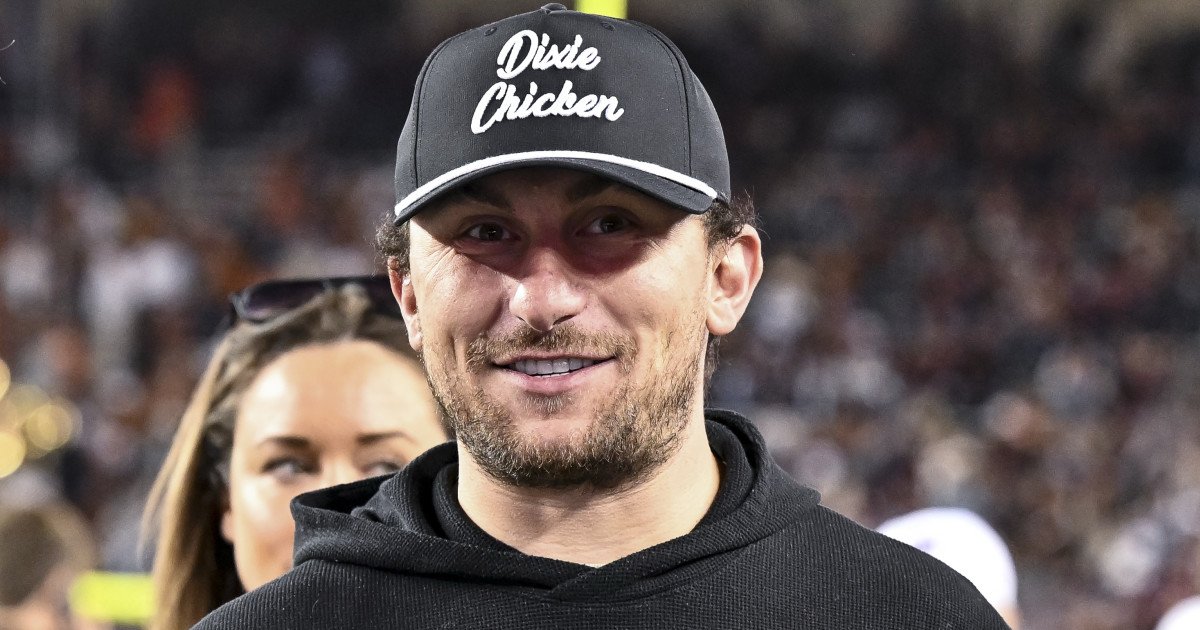
Johnny Manziel, the electrifying former Texas A&M quarterback who captured the nation's attention with his Heisman Trophy season, is now making headlines in a courtroom. The football star has initiated legal proceedings against a woman from College Station, Texas, alleging a campaign of harassment through the dissemination of false information.
From Gridiron Glory to Legal Battle
Manziel's legacy in college football is undeniable. During his time with the Aggies, he amassed nearly 10,000 total yards of offense and scored 93 touchdowns, becoming one of the most dynamic players in SEC history. His college success made him a first-round NFL draft pick, though his professional career with the Cleveland Browns was brief. Despite his departure from the NFL spotlight, Manziel remains a prominent and polarizing figure with a dedicated fanbase.
The Core of the Complaint
The lawsuit centers on allegations against MaKenzie Carter. According to court documents, Carter is accused of contacting dozens of people within Manziel's personal and professional network. These communications allegedly contained what Manziel's legal team describes as "baseless, unrelated, and entirely fabricated" stories. The primary falsehood, as stated in the suit, involves claims of a "fictitious romantic relationship" between Carter and the former quarterback.
"We're saddened that we had to go down this route," said Manziel's attorney, Aron Hutchins, in a statement to local media. "It was just the only option we had left and it was unavoidable to protect Johnny and his friends and family and business associates." Hutchins emphasized that the behavior had become persistent, necessitating legal intervention to halt the conduct.
Beyond Financial Damages
Interestingly, Manziel's legal strategy appears focused more on cessation than compensation. His lawyer stressed that the pursuit of non-monetary relief is the primary objective. "We also just wanted to stress that the non-monetary relief is the primary concern," Hutchins explained. "The behavior is unacceptable, and so that's the focus here, just getting the conduct to stop and having her leave everybody alone." This suggests the lawsuit is fundamentally an injunction-seeking action designed to end the alleged harassment.
The legal filing details that Carter's emails did not stop at spreading false narratives. The suit claims she threatened recipients with legal action if they "continued" to interfere with what she described as her relationship with Manziel. This escalation reportedly pushed Manziel's team to move forward with the lawsuit, despite initial hesitation.
A Delay Out of Empathy
Court documents reveal that Manziel did not immediately seek legal recourse. The suit states that he held off "out of empathy" for the defendant's well-being, suggesting an attempt to resolve the matter without court involvement. When the communications persisted and expanded in scope, however, filing the lawsuit became what his counsel called "unavoidable." This detail adds a layer of complexity to the story, framing the legal action as a last resort.
The case returns Johnny Manziel to public discourse in a context far removed from football. While his on-field heroics at Kyle Field are the stuff of legend for Aggie fans, this legal matter underscores the challenges that can follow life in the intense public eye. The outcome will be determined in a Texas courtroom, but the story has already reignited conversation about the former star's life after football.
As the legal process unfolds, the sports world watches a player once known for his improvisational magic on the field now seeking a very different kind of playbook—one defined by court filings and injunctions. The lawsuit seeks to draw a definitive line against what it categorizes as fabricated narratives, aiming to protect the personal sphere of a man whose professional career was lived almost entirely in the public domain.