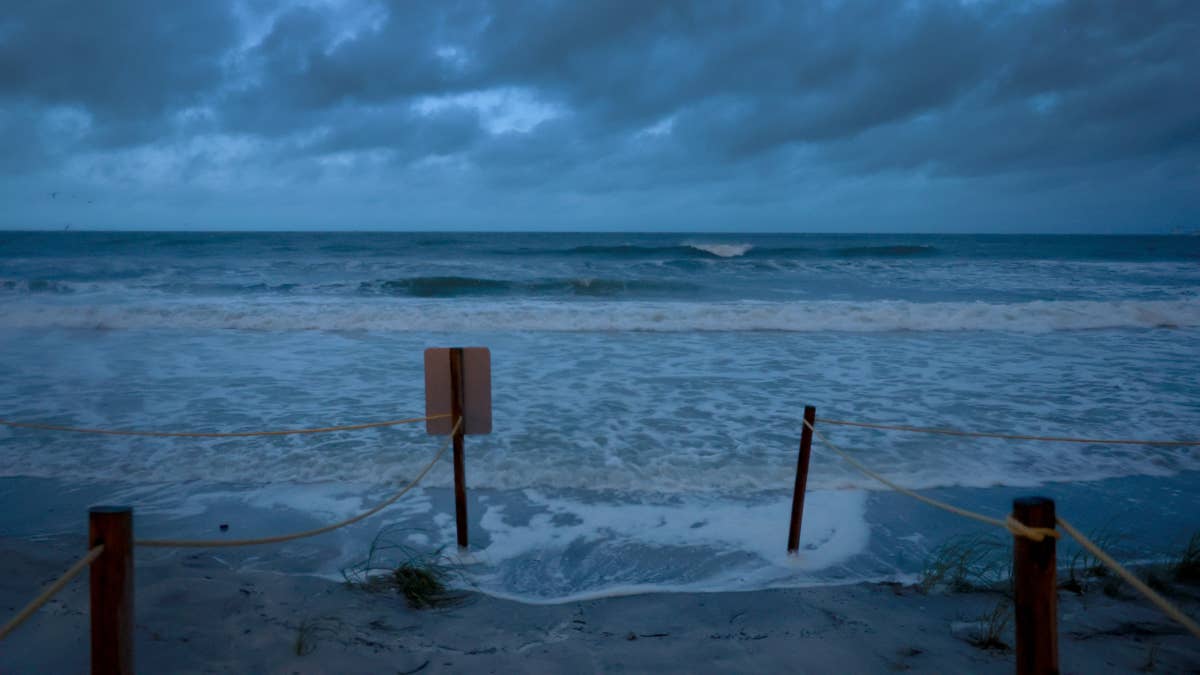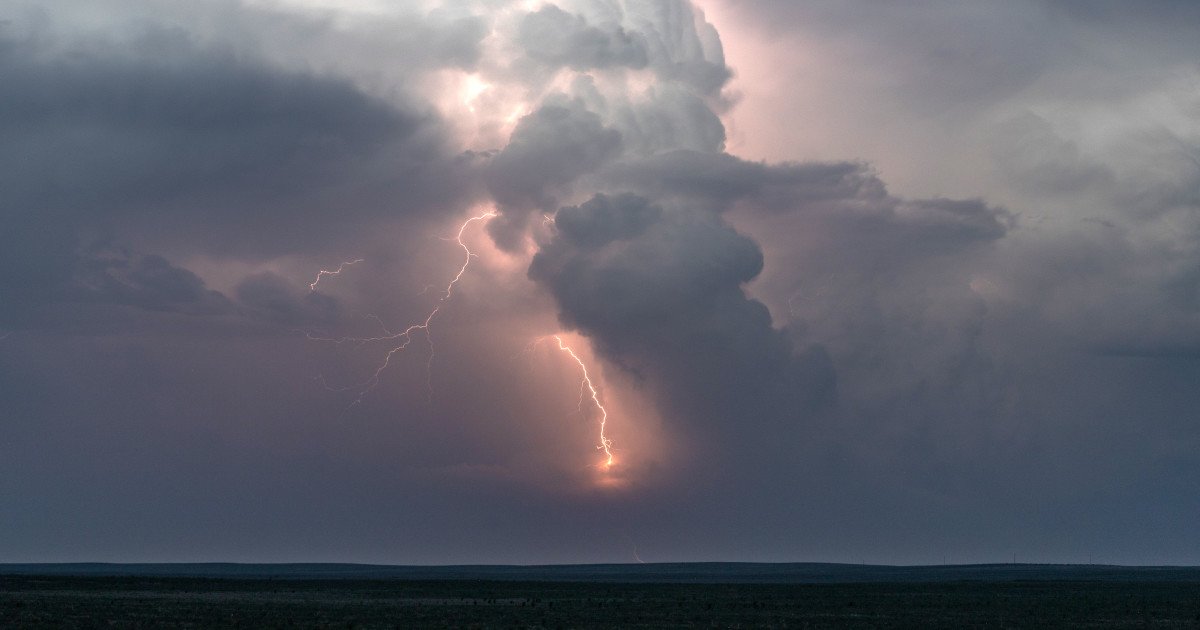
Sports fans and outdoor event organizers across the Southeast are keeping a close eye on the sky as a powerful weather system takes aim at the region. The National Weather Service has issued warnings for severe thunderstorms expected to sweep through five states this Thursday, March 12th, potentially disrupting plans and demanding heightened safety awareness.
Storm Zone: The Five States in the Crosshairs
The forecast paints a concerning picture for a significant swath of the Southeast. Meteorologists have pinpointed Florida, Georgia, Alabama, South Carolina, and North Carolina as the primary targets for this bout of severe weather. The storms are predicted to pack a serious punch, with the main threats being damaging straight-line winds, large hail, torrential downpours, and dangerous cloud-to-ground lightning.

This kind of widespread severe weather event can have immediate consequences for the sports world. From high school baseball games and community 5K runs to golf tournaments and outdoor training sessions, any activity under open skies is at risk of postponement or cancellation. The timing of these storms will be critical for leagues and teams making last-minute schedule decisions.
Safety First: Navigating the Storm Threat
When severe weather strikes, knowing where to go and what to do is paramount. The National Weather Service emphasizes that the safest place during a severe thunderstorm warning is inside a sturdy building. If you're at home, head to your pre-designated secure location, such as a basement or an interior room on the lowest floor, and don't forget your pets if time allows.
The dangers multiply if you're caught outside. Never seek shelter under isolated trees or in temporary structures like sheds or gazebos. "A tree can become a lightning rod or can topple in high winds," experts warn. Instead, get inside the nearest substantial building immediately. If you're driving, it's safer to remain in your vehicle than to be outside, but the best course is to carefully exit the road and find secure shelter if you have enough time.
For those at work, school, or at a sporting venue, stay away from windows and avoid large, open areas like gymnasiums, auditoriums, or grandstands during a warning. Continuous monitoring of local news or a NOAA Weather Radio is essential to stay updated on the latest watches and warnings as conditions evolve. This storm system is part of an active pattern, similar to recent events like the severe weather that threatened 15 states earlier this week.
Broader Context in an Active Weather Season
This looming storm threat is not an isolated incident. The Southeast has been in the crosshairs of multiple severe weather systems this season, highlighting a volatile pattern. Just recently, meteorologists were tracking a tornado threat across a dozen states that put sports schedules on high alert. These recurring events underscore the importance of having a severe weather plan in place, whether you're a coach, athlete, or fan traveling to a game.
The potential for disruption is significant. Damaging winds can turn unsecured equipment into projectiles, hail can damage vehicles in parking lots, and lightning poses a lethal threat to anyone on an open field. Event organizers are urged to have clear communication plans and evacuation procedures ready to enact at a moment's notice.
As Thursday approaches, the key for the sports community is vigilance. Check official forecasts and announcements from local authorities and event organizers frequently. While everyone hopes for clear skies and uninterrupted play, being prepared for the worst ensures that safety remains the top priority, no matter the score. Stay informed, have a plan, and keep safety the number one goal when nature decides to interrupt the game.