As Major League Baseball gears up for a new collective bargaining agreement in 2027, the debate over a salary cap is heating up. While owners push for a cap-and-floor system, one of the game's most respected voices is pushing back hard.
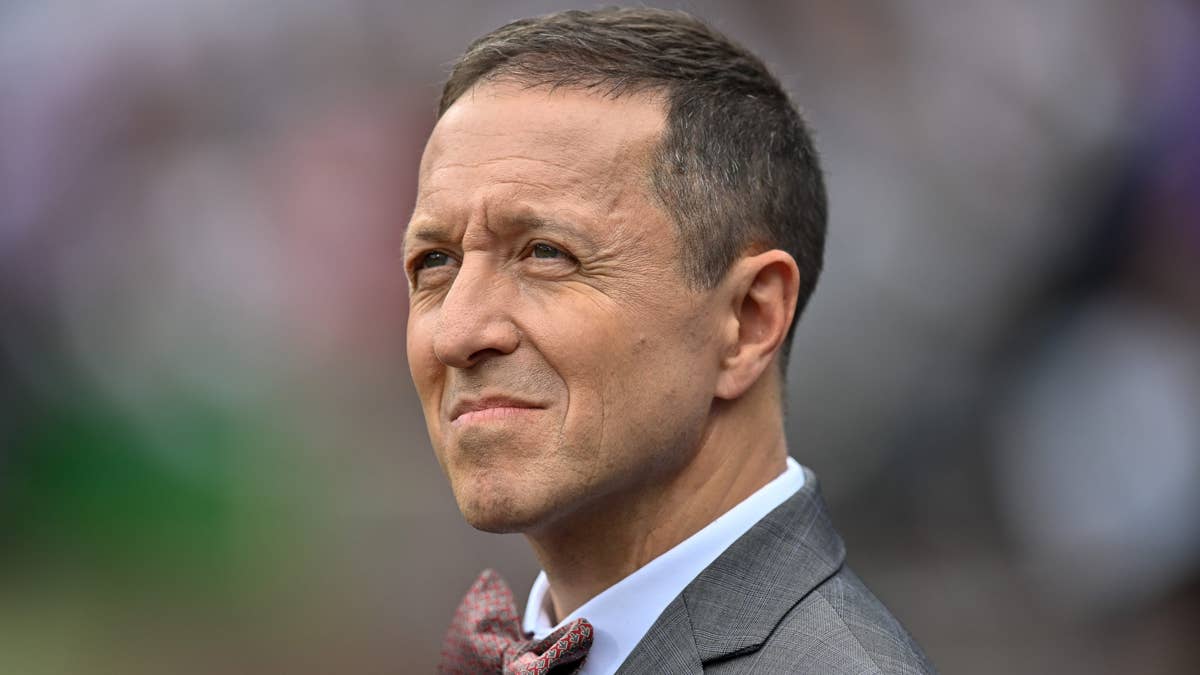
Longtime MLB insider Ken Rosenthal took to Foul Territory this week to voice his strong opposition to a salary cap, calling the idea unnecessary and potentially damaging to the sport. Rosenthal, who has covered baseball since 1987, argues that the regular season already provides a true measure of team quality and that the current system isn't as broken as some claim.
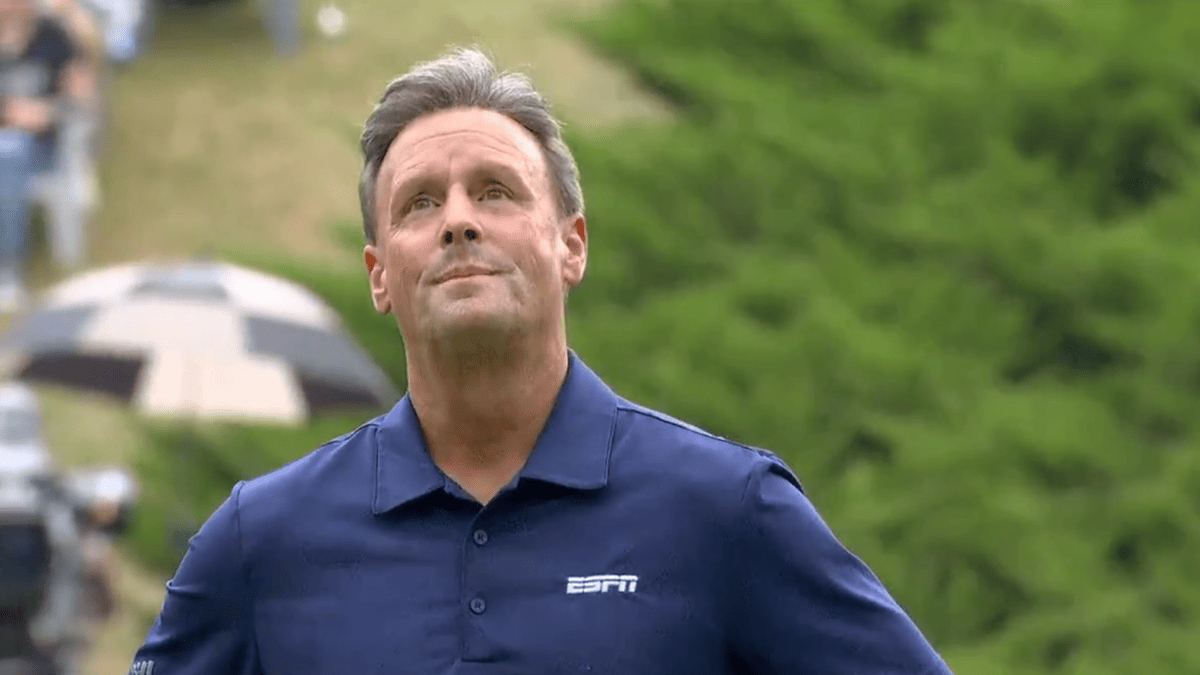
“This drives me crazy,” Rosenthal said. “For years, the way I’ve always understood the sport is that the regular season is the true measure of a team’s quality. The playoffs are the playoffs and you only have one World Series champion. But what you do in the regular season matters.”
Rosenthal pointed to the sustained success of low-payroll clubs like the Tampa Bay Rays and Cleveland Guardians as evidence that competitive balance already exists. “What I look at is competitive balance is the success of Milwaukee and Cleveland and Tampa Bay almost year after year. Their ability to compete in the regular season. And maybe one of these years they’re going to be able to do it and go all the way through in the postseason.”
Under the owners' proposal, teams would face a hard salary cap of around $240 million and a floor of roughly $170 million. That would force eight big-market clubs—including the Dodgers, Yankees, and Mets—to slash payroll significantly. The players’ union has also been firmly against any cap, arguing it would limit earning potential.
Rosenthal acknowledges the system isn't perfect but insists a cap isn't the fix. “Does it need a salary cap that could cost us games in ’27 to be rectified? I still believe the answer is no and I will be always believing the answer is no. There are other ways,” he said.
His comments come amid growing tension between owners and players, with the MLBPA pushing for a minimum salary hike to $1.5 million in the new CBA. Meanwhile, big-market clubs face a payroll ax under the new salary cap plan, raising questions about how rosters would be reshaped.
Fans have been divided, with many calling for a floor and harsher penalties for high spenders to level the playing field. But Rosenthal believes the game's health is better than critics suggest. “Saying baseball is broken drives me crazy,” he added.
Whether the cap gains traction remains to be seen, but Rosenthal's voice—seasoned and unwavering—adds a powerful counterpoint to the owners' push. For now, he's betting on the regular-season grind and the resilience of small-market teams to prove the system works.