In a stunning display of protest, UEFA president Aleksander Ceferin was notably absent from Sunday's World Cup final between Spain and Argentina. The decision came after a series of clashes with FIFA, most notably over the controversial handling of U.S. men's national team star Folarin Balogun's suspension.
Spain clinched a 1-0 victory over Argentina, securing their first World Cup title since 2010 and denying the defending champions a repeat. But the drama off the pitch stole the spotlight, as Ceferin's boycott sent shockwaves through the soccer world.

According to The New York Times, Ceferin had initially planned to attend the final in Seattle, having been present for the tournament's opening game in Mexico City on June 11. However, his frustration with FIFA's decision-making reached a boiling point, prompting him to stay away.
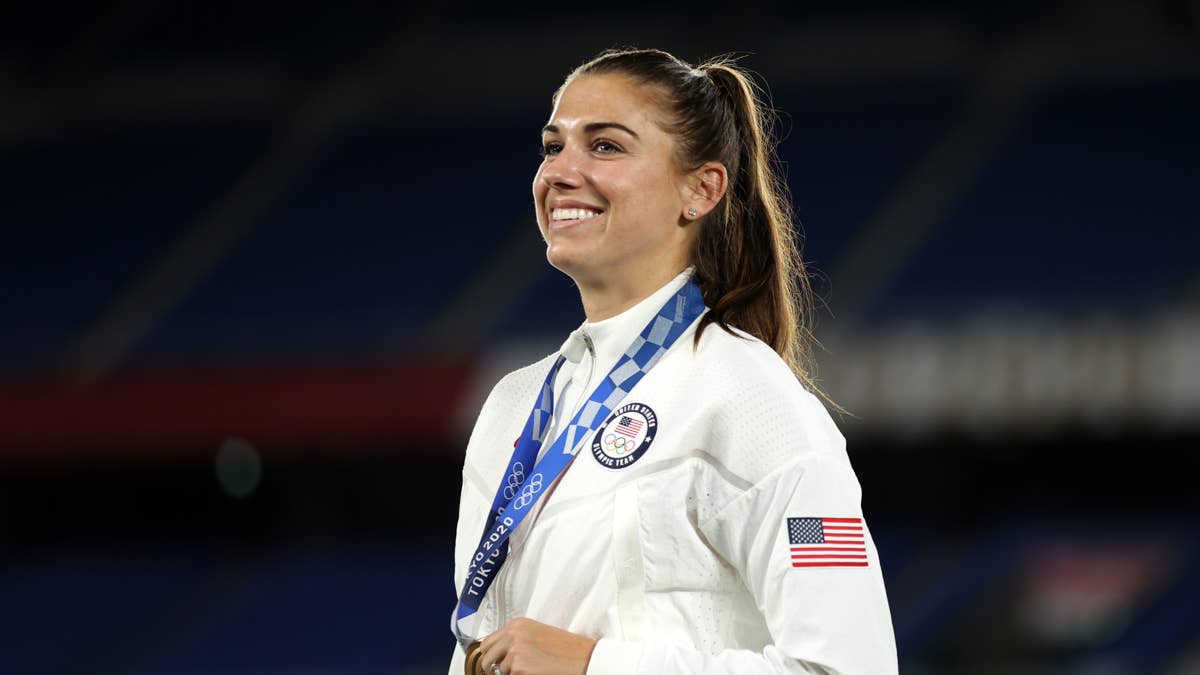
At the heart of the dispute was the Balogun situation. The U.S. striker was initially ruled ineligible for the Round of 16 match against Belgium before FIFA reversed the decision, allowing him to play. UEFA viewed the entire episode as a mishandling of protocol, and Ceferin made his displeasure clear by skipping the championship match.
But Balogun's case wasn't the only source of tension. Ceferin also took issue with FIFA's failure to secure U.S. immigration clearance for Somalian referee Omar Artan, who was sent home despite being Africa's top-ranked official. UEFA quickly announced Artan would officiate the Super Cup final next month, a move seen as a direct snub to FIFA's handling of the situation.
Another sticking point was the treatment of Iran's team during the tournament. UEFA believed FIFA could have done more to ensure a level playing field for the Asian side, further straining relations between the two organizations.
Beyond off-field disputes, Ceferin and UEFA have openly disagreed with several FIFA policies implemented during the World Cup. These include mandatory hydration breaks, extended half-times for musical performances, and a controversial rule that penalizes players for covering their mouths while speaking on the pitch. UEFA has made it clear that such measures are not in the best interest of the sport.
The boycott has reignited conversations about the power dynamics in international soccer, especially as the 2030 World Cup approaches, set to be hosted by Portugal, Spain, and Morocco. The incident also echoes recent Netflix's billion-dollar bid for 2030 World Cup rights, highlighting the high stakes involved.
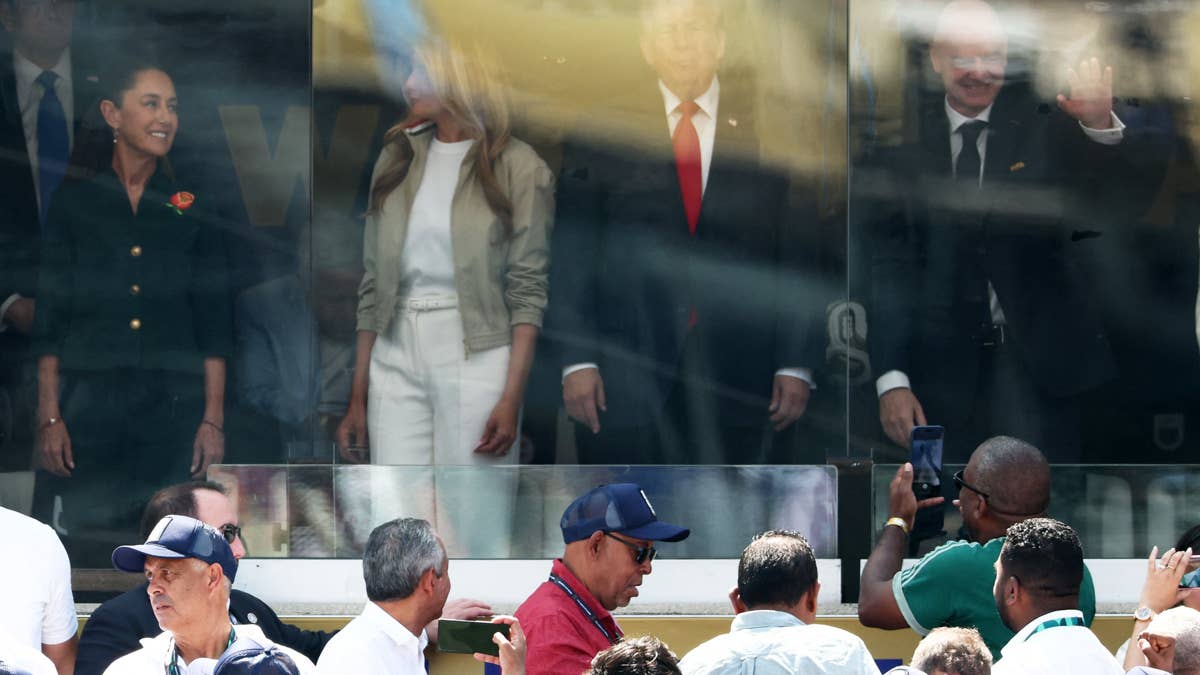
Meanwhile, the aftermath of the final has been anything but quiet. Argentina faced backlash for an ugly post-match brawl, and fans praised Spain's victory photo that snubbed President Trump. Ceferin's absence adds another layer of intrigue to an already eventful tournament.
As FIFA and UEFA continue to butt heads, the soccer community watches closely. Ceferin's boycott signals that the rift between the two governing bodies is far from healed, and the sport's future may hinge on resolving these deep-seated disagreements.