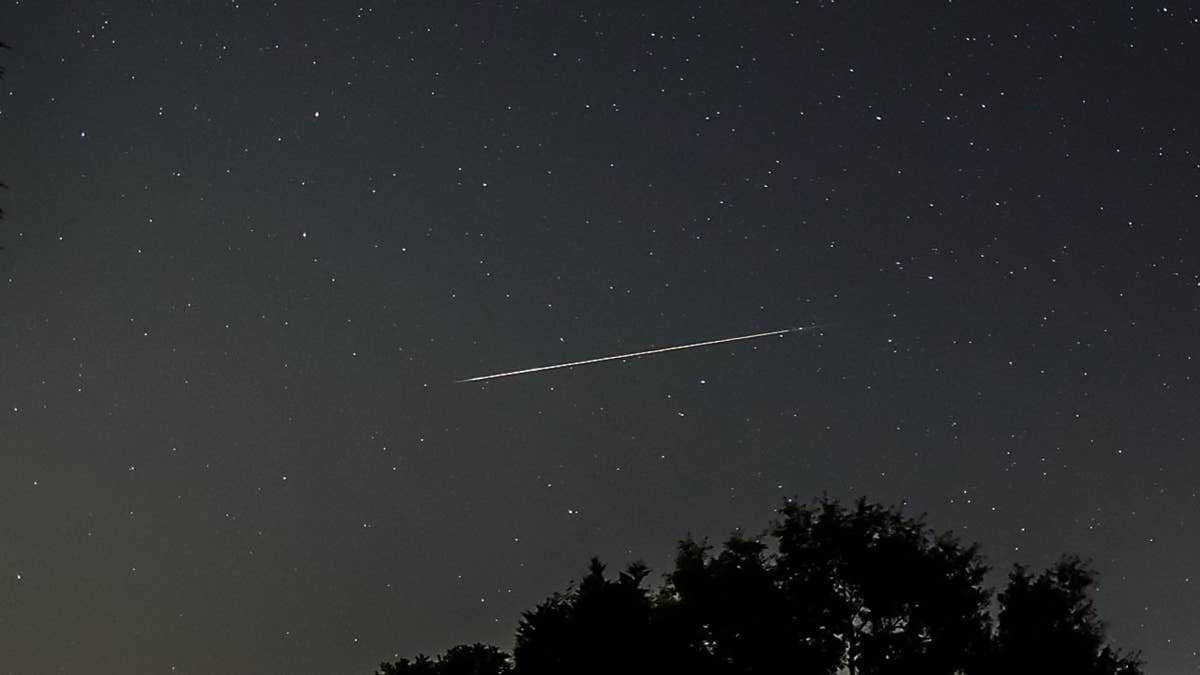
If you felt the ground tremble or heard a thunderous roar this afternoon, you weren't alone—and it wasn't an earthquake. A meteor exploded high above the New Hampshire-Massachusetts border, rattling buildings from the Mid-Atlantic all the way to Canada.
The American Meteor Society confirmed the event around 2:07 p.m. Eastern time. Witnesses described a deafening boom that shook windows and nerves alike. Social media lit up with reports comparing the blast to a minor earthquake, though seismologists quickly ruled out tectonic activity.

What Happened?
According to the Associated Press, the meteor measured about three feet wide before it entered Earth's atmosphere. It exploded above the border region, producing a sonic boom that traveled hundreds of miles. Residents in Delaware, New York, Massachusetts, Vermont, New Hampshire, and parts of Canada all reported feeling the shockwave.
Robert Lunsford of the American Meteor Society told reporters that most of the space rock likely disintegrated before reaching the ground. “We would need more information about the trajectory, the speed, and other aspects to know for sure if it hit the ground, but if it didn’t burn up, then it would have landed in the ocean,” he said. “Most of them do burn up before they hit the ground.”
Not the First—and Won't Be the Last
While this event made headlines, it's far from unusual. The United States sees frequent fireballs and bolides—bright meteors that explode in the atmosphere. In June 2025, a meteor exploded over the Southeast, leaving a fragment that punctured a Georgia roof. Another blast over Ohio in June 2024 sent residents scrambling for cover. These events rarely cause harm, but they do grab attention.
The most famous recent example is the 2013 Chelyabinsk meteor in Russia. That explosion, equivalent to hundreds of thousands of tons of TNT, damaged thousands of buildings and injured over 1,500 people. Luckily, today's blast was far less destructive.
What's Next?
Experts say the risk of a catastrophic meteor impact in the U.S. remains extremely low. Small meteors enter the atmosphere daily, but almost all burn up harmlessly. For now, residents can chalk this up to a rare, noisy reminder of the cosmic debris that whizzes past our planet every day.
If you missed the boom, don't worry—there's always next time. And with severe storms and other natural events keeping us on our toes, the skies aren't done making news just yet.