While Wimbledon has wrapped up and the World Cup trophy has been claimed, college football fans are still weeks away from kickoff. But leave it to SEC coaches to keep the offseason interesting. At SEC Media Days on Monday, several head coaches wasted no time airing grievances about the league's new scheduling format.
The SEC is moving to a nine-game conference schedule, matching the Big Ten's current setup. But instead of celebrating parity, top coaches are crying foul. They claim the SEC's path to the College Football Playoff is far more grueling than what Big Ten teams face.
Drinkwitz and Kiffin Lead the Charge
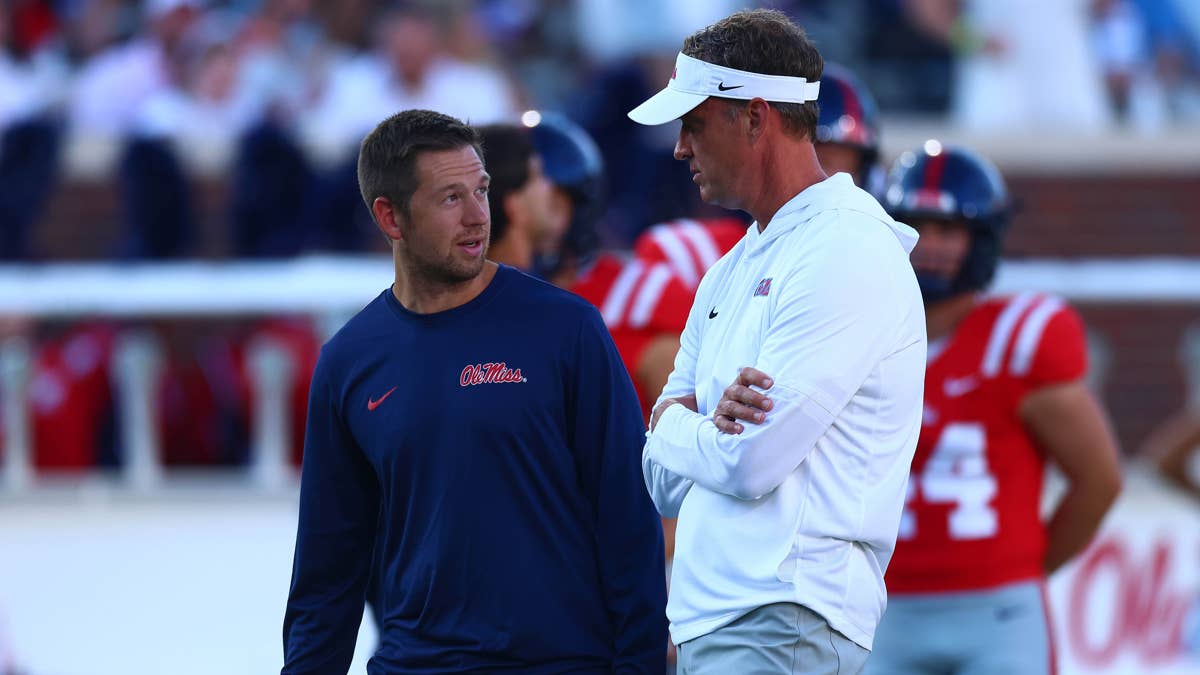
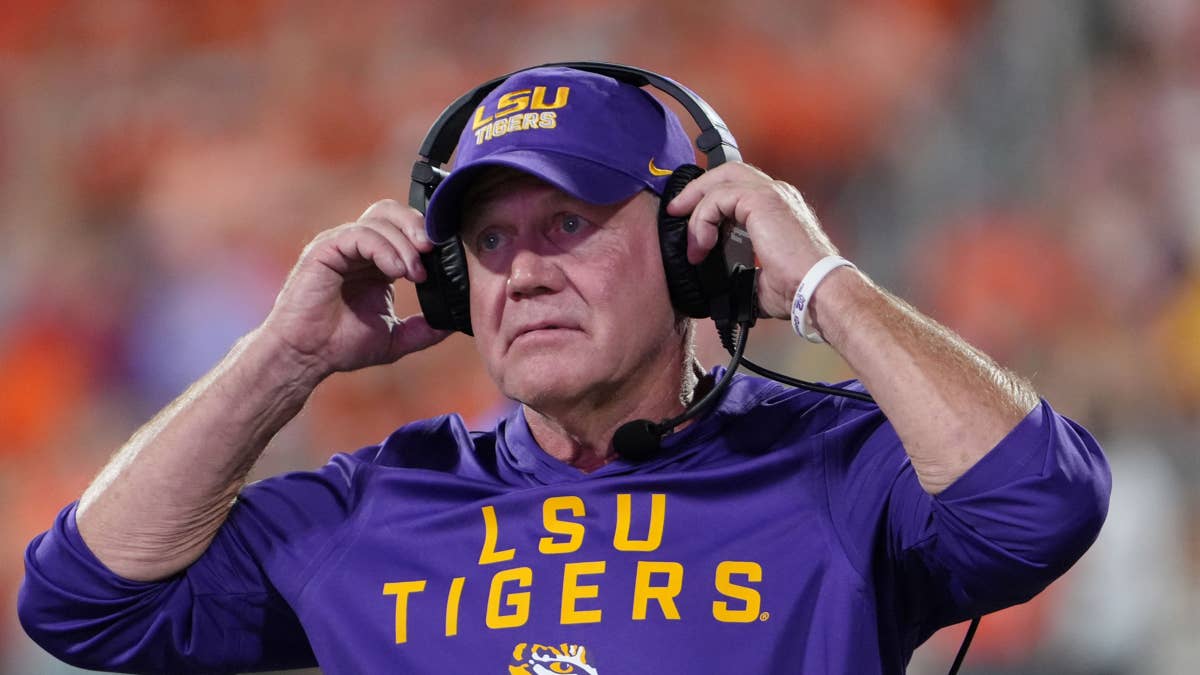
Missouri head coach Eli Drinkwitz, alongside LSU's Lane Kiffin, has been vocal about the imbalance. Drinkwitz said at Media Days that SEC teams are required to play a tough non-conference opponent (often an A4 school), while Big Ten teams face no such mandate. This, he argues, creates an uneven playing field.
“Missouri’s Eli Drinkwitz says SEC coaches already regret moving to a nine-game conference schedule. He says Lane Kiffin has long been in front saying a move from eight games would be an issue. Drinkwitz points to Big Ten not required to play A4 non-conference opponent,” Brandon Marcello reported on X.
The frustration is clear: SEC teams must navigate a brutal conference slate while also scheduling a marquee non-conference game, whereas Big Ten teams can pad their schedules with weaker opponents. This has sparked a debate about fairness in the College Football Playoff selection process.
A History of SEC Dominance
Despite the complaints, the Big Ten has won the last three national championships. That success hasn't silenced SEC critics, who believe the current system favors their northern rivals. Drinkwitz and Kiffin's comments echo a broader sentiment among SEC coaches that the league is being punished for its own strength.
Meanwhile, the SEC's move to nine conference games was intended to boost competition and playoff resumes. But coaches now worry it could backfire, leaving SEC teams with more losses and fewer playoff berths. This tension highlights the ongoing struggle between conference pride and postseason reality. For some coaches, this is a make-or-break season that could define their careers.
The trash talk is just getting started, and with Media Days underway, expect more fireworks. Whether the schedule disparity is real or just pre-season posturing, one thing is certain: SEC coaches are not backing down.