The 2026 college football season kicks off with a sizzling start—literally. As teams across the South and Southeast prepare for their opening matchups, a brutal heatwave is set to blanket the region, pushing temperatures past the century mark. For players clad in heavy pads and helmets, the conditions aren't just uncomfortable; they're a serious health risk.
Meteorologists are sounding the alarm, with some forecasters describing the upcoming conditions as "dangerous." The combination of extreme heat and high humidity could make it feel like 110 degrees on the field, where turf surfaces only amplify the scorching temperatures. It's a recipe for heat exhaustion, cramps, and worse, especially for athletes exerting themselves at full tilt.
Alabama vs. East Carolina: A Hot Spot
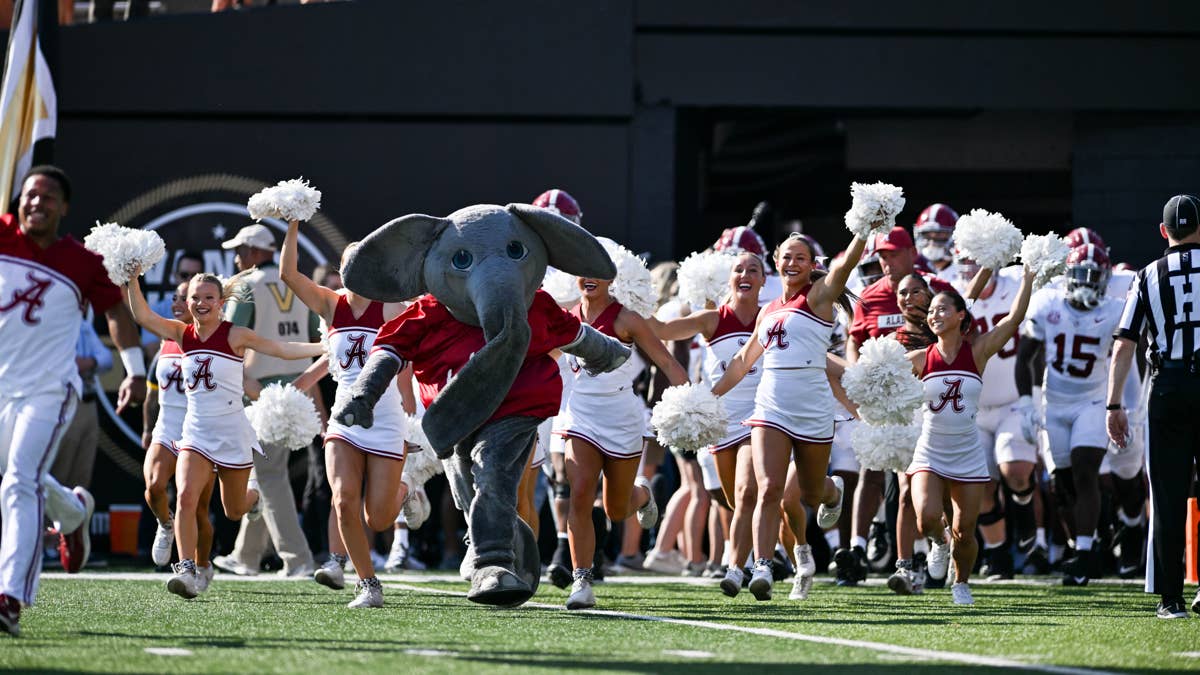
One of the most anticipated games of the weekend—Alabama hosting East Carolina in Tuscaloosa—is shaping up to be a furnace. Renowned Alabama meteorologist James Spann took to social media to warn fans and players alike. "Saturday's East Carolina vs Alabama game will be one of the hottest UA home games on record," he wrote. "Temperatures will rise into the 97-100 degree range by the fourth quarter, with the heat index near 110. The chance of a cooling shower is very low."
Spann's forecast has sparked a wave of concern among college football enthusiasts. Many are questioning why such high-stakes games are scheduled for the middle of the day, when the sun is at its most punishing. "The SEC should tell ESPN that nobody south of Tennessee will kick off outside before 6pm until the last week in September," one fan posted on social media.
Others see this as a broader issue. "With CFB moving its season earlier into August and temps rising, we're going to see a lot more climate issues. The 'Arizona' rule might become a Sun Belt standard," another fan added, referencing the common practice of moving games to night hours in desert climates.
The concern isn't just from fans. Coaches and athletic directors are increasingly mindful of player safety, especially after recent incidents that have highlighted the dangers of heat-related illnesses. The tragic death of a college player after a touchdown last season serves as a stark reminder of the stakes.
What Can Be Done?
While some programs are fortunate enough to play in climate-controlled venues—like Auburn's matchup against Baylor at Mercedes-Benz Stadium in Atlanta, where the retractable roof keeps temperatures at a comfortable 72°F—many others aren't so lucky. For those teams, the options are limited: move kickoff times later, add more water breaks, or adjust practice schedules.
Fans have been vocal in their demands for change. "They should make sure that games aren't kicking off during the day when temperatures are this high. Move the games to night time. The TV networks will just have to adjust," one frustrated supporter wrote.
The question now is whether college football's powers-that-be will heed the warnings. With climate change making extreme heat more common, the sport may need to rethink its scheduling strategies, not just for Week 1 but for the entire early season. As one fan succinctly put it: "Dangerous!"
For now, teams and fans alike will have to brace for a scorching start to the season. Hydration, shade, and common sense will be key—both on the field and in the stands. And as the debate over heat policies heats up, one thing is certain: the 2026 season is off to a blazing beginning.