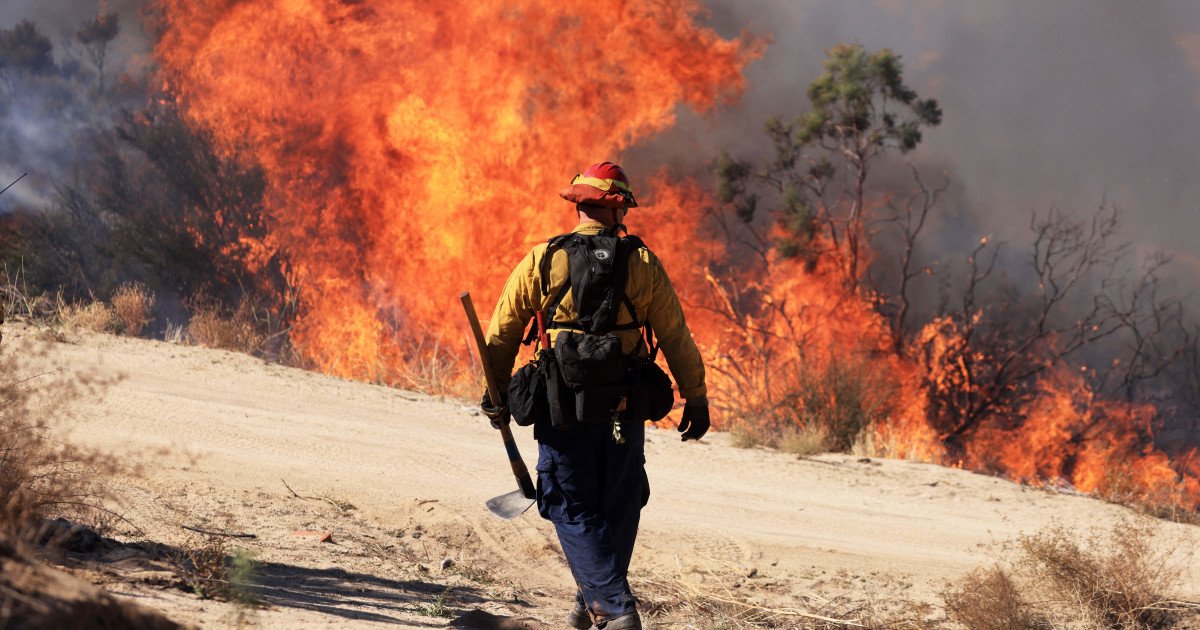
Sports fans across the Southwest, take note: Mother Nature is calling an audible this Sunday, and it's a dangerous one. A critical Red Flag wildfire warning has been issued for three major U.S. states—Colorado, New Mexico, and Texas—as a dangerous combination of weather factors creates a tinderbox scenario. This isn't just a minor advisory; it's a serious alert that demands attention from anyone planning outdoor activities.
The warning, issued for Sunday, March 8, signals that conditions are ripe for fires to ignite easily and spread with frightening speed. The culprit? A perfect storm of strong, gusty winds, alarmingly low humidity levels, and unseasonably warm temperatures. When these elements combine, they create what fire officials call "critical fire weather," where a single spark can escalate into a major blaze in minutes.

What a Red Flag Warning Really Means
Think of a Red Flag Warning like a severe weather alert for fire. It's the highest level of caution, indicating that the potential for explosive fire growth is not just possible, but highly probable. The official alert leaves no room for ambiguity: "Any fires that develop will have the potential to spread rapidly. Outdoor burning is not recommended." This is a day to shelve any plans for campfires, brush clearing, or even using equipment that could throw sparks.
The warning specifically cites that these critical conditions "are either occurring now…or will shortly." For residents and visitors in the affected states, this means vigilance is required throughout the day. This kind of severe fire threat can feel as sudden and disruptive as a major storm outbreak, completely altering plans and requiring immediate awareness.
States on High Alert
The warning casts a wide net across the region:
- Colorado: Known for its beautiful but dry landscapes, the state faces elevated risk.
- New Mexico: With its vast, arid terrain, the potential for rapid fire spread is significant.
- Texas: Parts of the Lone Star State are under the gun, where wind can turn a small flame into a crisis.
Authorities are urging extreme caution. The core message is to avoid any activity that could produce a flame or spark. This isn't the weekend for that backyard fire pit or charcoal grill. Embers can travel for miles on these winds, and materials you think are safely extinguished can reignite days later.
Your Game Plan for a Red Flag Day
Just as athletes have protocols for severe weather, residents need a safety plan for Red Flag conditions. Here’s the essential checklist:
- Drown and Dispatch: Extinguish any outdoor fires with copious amounts of water—never leave them unattended. Soak ashes and charcoal in water and dispose of them in a metal container.
- Be a Lookout: Report any unattended or suspicious outdoor fires to 911 immediately. Early reporting is key to containment.
- Clear the Path: Ensure access roads to your property are clear and properly marked for emergency vehicles. Every second counts for firefighters.
- Know the Rules: Be absolutely certain of any local burn bans and obtain permits if burning is absolutely necessary (though it's strongly discouraged).
This Red Flag Warning serves as a stark reminder of the powerful intersection between climate and community safety. For sports enthusiasts in these regions, it means adapting plans, whether it's a hiking trip, a round of golf, or a family picnic. The goal is to enjoy the sports and landscapes we love responsibly, ensuring everyone stays safe while we wait for safer conditions to return. Keep your head on a swivel, play it smart, and let's all get through this alert safely.